




Ready to apply?
Applying to more than one university? Apply through UCAS. Only applying to us? Apply direct.
On campus, 3 years
Flexible learning, 3 years
Study graphic design with a focus on branding, promotion and digital design, on campus or through flexible learning.
Got a question? Ask us
Are you ready to enter the exciting world of graphic design and build a rewarding career? Our newly revamped ‘BA (Hons) Graphic Design: Branding, Promotion, and Digital Design’ (on campus) degree programme is designed to give you the skills, knowledge, and confidence to excel within the fast-paced graphic design industry.
What Sets Our Course Apart?
Our course content is thoroughly modernised, focusing on the latest trends, tools, and techniques. From dynamic branding strategies to the latest digital design practices, every module is crafted to reflect current industry standards. This ensures that you are not just designers, but adaptable, forward-thinking professionals ready to make an impact.
We’ve reimagined our curriculum with fresh, exciting module titles that immediately grab your attention. These modules are designed to be both inspiring and practical, offering you hands-on experience with the latest in branding, promotion, and digital design. You’ll explore everything from immersive user experiences to cutting-edge digital campaigns, making you highly competitive in the job market.
We’re committed to providing more than just an education; we’re offering you a gateway into the design industry. With a curriculum that resonates with current trends, we’re attracting a wide range of guest speakers, forging new industry partnerships, and creating opportunities for real-world collaborations. These connections will help you build a strong professional network before you even graduate.
Our course isn’t just about learning the fundamentals - it's about preparing you for the future. With a focus on innovation and creativity, you’ll be encouraged to explore your ideas deeply, challenging yourself to push the boundaries of what’s possible in graphic design. Your portfolio will not only reflect your talent but also your readiness to meet the demands of a constantly evolving industry.
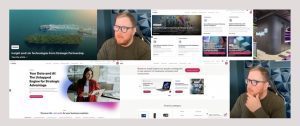
We understand the importance of collaboration and interaction in a modern educational environment. That's why we've integrated screen-based technology to seamlessly connect on-campus students with distance learners. Whether you're in the classroom or studying remotely, you'll be able to engage in real-time discussions, work on group projects, and participate in live critiques. This ensures that all students, regardless of location, benefit from the same high-quality educational experience and the opportunity to build a network of peers and contacts.
As a graduate, you will leave our programme with a portfolio that’s aligned with the latest industry standards. You’ll be equipped to step directly into the professional world, whether you’re seeking employment or launching a freelance career. Employers are looking for designers who are knowledgeable, adaptable, and ready to contribute - and that’s exactly what you’ll become.
Start your journey by enrolling on the BA (Hons) Graphic Design: Branding, Promotion, and Digital Design (on campus) programme, and realise your aspirations to become a leading graphic design professional. With our forward-thinking curriculum and strong industry connections, you’ll graduate ready to make your own unique and individual mark.
The Feedback Studio
Submit your work. Get free feedback from our design team.
Upload your creative work and our BA/MA Graphic Design lecturers will send you personalised, constructive feedback within ~7 days.
Find Out More →
The primary way of delivering this course is online and teaching includes a combination of recorded lectures, small group seminars, workshops, presentations, guest lectures, and one to one discussions with your tutor.
Levels 4 to 6 · 18 modules
This course includes the following core modules that all students complete:
On-campus contact hours: 12hrs x 5 weeks (60 hours per 20 credit module / 120 hours of expected self-study time).
Detailed feedback is provided on all students’ creative and written assignments, presentations, tutorials and professional practice sessions.
Year 1
Broaden your design knowledge and work with a range of techniques and processes for experimental projects that are open to individual interpretation.
Year 2
Use the skills from level 4 to produce project work with a strategic, commercial focus.
Year 3
Demonstrate your ability to articulate your advanced design knowledge and skills through the production of engaging commercial/competition briefs and final major project work.
Occasional changes to modules and course content may take place. Students will be notified when applicable.
You’ll learn through lectures, workshops and studio time, with independent study in between.
The primary way of delivering this course is on campus and teaching includes a combination of lectures, small group seminars, workshops, presentations, guest lectures, and one to one discussions with your tutor.
Students will receive 12 hours of teaching time per week throughout this course. Additional one-to-one online meetings with tutors will provide further support. Online students will also have the opportunity to collaborate and share work with their on-campus peers during sessions.
Contact Classroom-based, including online platforms (recorded Microsoft Teams sessions), student forums, one-to-one and group tutorials, and email feedback. All project handbooks and learning support materials and are made available to access online. Feedback As you progress through your studies, ongoing feedback and suggestions are provided on work and personal performance. Tutor and peer recommendations are constructive and identify where improvements can be made. The course continues to build and maintain a vibrant student community. Group sessions and forums play an integral and invaluable role in ensuring that all online students feel fully supported in their studies. You will make regular and ongoing use of online platforms to share your work and record your on-going learning journey with tutors and peers.
Meet us at an open event.
Our graphic design graduates can gain a variety of job roles depending on their skills, interests, and career goals. Some common job roles that graphic design graduates can pursue include:
Depending on graduates’ interests and areas of personal focus, they can explore more specific careers in:
Found where you fit?
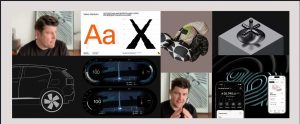
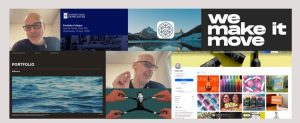
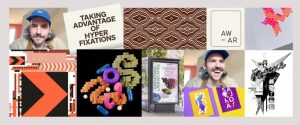
Our Guest Speaker Programme brings freelance designers, agency creative designers, marketers and illustrators into the BA (Hons) Graphic Design course. Throughout the year industry professionals share their work, discuss their personal journeys into design and offer valuable insights into life as creative practitioners.
Each session provides practical tips on:
Our wide range of inspiring student projects aim to satisfy your thirst for creativity. The BA (Hons) Graphic Design programme encourages personal development, and you will have endless opportunities to produce exciting and commercially viable work that expresses your creativity and individuality as a designer. Achievement and a successful career in the digital design and branding industry will be the ultimate reward for your time spent studying with us.
Peeling away the creative process.
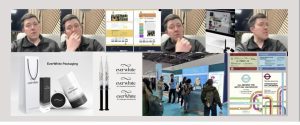
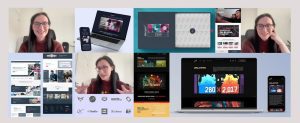
Although physical sketchbooks are used for ideas generation, and experimentation with traditional techniques and materials, students on our degree course submit all of their work in a digital project development journal (PDJ). This includes everything they have produced, from research and development stages to their final outcomes. The digital format allows students to add, refine, and change the order of content, which is more difficult to do with a traditional sketchbook. The following examples demonstrate the ways in which our students work, and how they present their final project development journals for assessments.
When it comes to attending a portfolio interview, preparation is everything. You should arrange your best work in such a way that it showcases your skills and allows you to speak confidently about each piece or project. Although we will spend time focusing on your creative abilities, we also want to find out more about you, your interests, and aspirations for the future. Our guidance booklet will help to ensure that your interview runs smoothly, and your work is well organised.
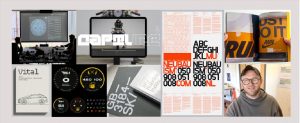
Your academic reward for three years of hard work and determination is a degree certificate that helps you to get ‘a foot in the door’ of the design industry. Although this is a requirement and a necessity for many employers, what they really want to see is evidence of your skills as a designer. This doesn’t only include technical proficiency; they also want to know how you think, how inventive you are, how your work stands apart from others, and how interesting you are as a unique individual. Your work should speak for itself in terms of your passions, focus, and career ambitions. Our graphic design graduates work for a wide range of agencies, businesses, and organisations around the world. Here is just a small sample of their successes.
Our on-campus, end of year shows celebrates our students’ hard work, when they showcase their designs and promote themselves to industry representatives and members of the public. The third-year degree students choose exciting Final Major Project themes and these result in stand designs that include physical, as well as digital artwork. Professional graphic designers are invited to our private view, when they can talk to students and learn more about their skills and career ambitions. The accompanying booklet shows the wide range of themes that our students have worked on. They will hopefully inspire you to follow the same path and aspire to gain employment as a successful graphic designer, after studying with us.
It can be daunting when being faced with a research project. Where do you start, where do you look, and how much is enough? Efficient research skills are essential for gathering information and insights effectively, and in a timely manner. We guide you through the process of when enough is enough.
As a graphic designer, finding everyday inspiration is essential to keep your creative juices flowing and to stay up-to-date with current design trends. We’ve included some common sources where graphic designers often find inspiration.
Efficient time management empowers us to identify and eliminate time-wasting activities, distractions, and unnecessary commitments. It enables us to prioritise our tasks based on importance and urgency, ensuring that we allocate our energy and resources to what truly matters. It also encourages us to set realistic goals, break them down into manageable steps, and track our progress along the way.
Graphic design and the art of visualising and sketching are closely related disciplines that play significant roles in the creative process which we cover on our course. Visualising and sketching are fundamental skills for graphic designers as they allow them to ideate, explore concepts, and communicate ideas visually.
The effects of the COVID pandemic with limited face-to-face interactions has had significant impact on classroom and studio culture worldwide. In response, we are adapting and evolving our approach. Studio culture plays a vital role in shaping the learning experience and fostering creativity in our graphic design classroom. It encompasses the environment, attitudes, and collaborative practices that encourage our students to thrive and express themselves.

BA Graphic Design Course Leader
‘I am an experienced academic and design professional with a longstanding career in both higher education and the creative industries.

Graphic Design Lecturer
‘I’m an award-winning graphic designer, creative director, author, and dedicated educator with over 25 years of industry experience and a passion for nurturing creative talent.
Graphic Designer
I’m a graphic designer and educator with over 15 years of professional experience and a strong commitment to practice-led teaching
By designers, for designers!
Tune into an exciting world of art and design with our new recorded Artboard Podcast!
This is your invitation to follow our design journeys, filled with inspiring conversations and expert insights, when we’ll discuss the secrets and intricacies of the creative design process, and guide you through a kaleidoscope of design topics. You’ll be able to listen to informative recorded interviews with tutors, students, and designers, as well as gaining access to behind-the-scenes stories about our degree course and its diverse range of exciting projects. We will also include in-depth discussions on the evolution of design and personal journeys of past students who’ve carved their niche in the design world.
The Artboard podcast isn’t just a one-way street. You will have the opportunity to connect with fellow students and creatives, as well as sharing your thoughts and questions. Whether you’re an aspiring designer, a seasoned pro, or simply a visual enthusiast, we would love you to join us!
Email your questions to artboardpodcast@don.ac.uk and listen out for them on future recordings. We look forward to hearing from you!
Don’t have the standard qualifications? You may still be able to apply.
48UCAS points
Entry requirements would usually be one of the following:
Portfolio Requirements
1. We accept both physical and digital PDF portfolios, and portfolio websites. However, we are seeing fewer students present their work in physical portfolios, as digital versions can be more easily updated, and with the integration of more contemporary technology they can also include examples of website design, motion graphics, animation, and video work.
If you have any questions about our portfolio requirements or the interview process, please feel free to contact the Programme Leader at simon.gomes@don.ac.uk
We welcome applications from people of any age who might not meet the standard entry criteria, but we would expect to see evidence of continuing academic and/or professional development and a capacity to pursue the course successfully. As part of the application process, a digital portfolio of art and design-related work must be presented to evidence creative ability and suitability for the course. If you have been out of formal education for some time, and/or you do not have the qualifications stated, we might still be able to consider your application and offer you a range of support.
£8,190
a year for UK students
UK students can take out a tuition fee loan to cover the cost of their course and a maintenance loan to cover living costs.
We also have a range of other financial support available.
Your Tuition fees cover most costs associated with your course (including registration, tuition, and assessment).
There may be some extra costs that you might need to make, or choose to pay, to further support your studies. For example:
Financial Support for Learners
Various additional funding opportunities may be available to students. These include short-term loans (bridging loans) for students awaiting student finance payments, with applications accepted throughout the year, and the Student Opportunity Fund, providing non-repayable financial assistance based on individual circumstances, open for application annually from October/November. Other options include the Low-Income Bursary and Care Leavers Bursary, both offering £500 and requiring specific eligibility criteria. Additionally, exemptions from council tax for full-time students and specific bursaries such as the Initial Teacher Education Bursary are provided. Moreover, there’s support available for disabled students, including the Disabled Student Allowance and Additional Learning Support for those with long-term mental, physical, or specific learning difficulties, with confidential assistance and adjustments offered in accordance with the Equality Act (2010). To access support or discuss needs, students are encouraged to contact the Additional Learning Support team.
Questions about funding?
Apply now, come and see us first, or ask us anything.
UCAS gives you an applicant ID to track your application. Apply direct and we’ll reply by email.
Responses usually arrive between November and May: an unconditional offer, a conditional offer, or an unsuccessful application.
Before you enrol we’ll need photo ID and copies of your certificates. Apply for Student Finance early.
Official course data published by Discover Uni, the government’s higher education information service.
Level
Level 6
Duration
3 years on campus
3 years flexible learning
Study mode
On campus
Flexible learning
Awarding body
University of Hull
UCAS code
WP23 (on campus)W21Z (flexible learning)