


Why choose this course
- Blends practical experience, scientific theory and transferable skills
- A purpose-built animal unit of native and exotic mammals, reptiles and amphibians
- Small-group teaching and field trips, with South Africa the highlight
- Work experience is a key component, with time given for placements
- Graduates have worked as laboratory technicians and zoo education officers
Overview
The Foundation Degree in Animal Welfare Science focuses on the key components that shape animal welfare across a range of settings and interactions. This hands-on programme blends practical experience, scientific theory, and transferable skills, delivered through engaging, interactive sessions that consolidate knowledge and build confidence.
Read the full overview
Students graduate with a well-rounded education, equipped for a wide range of roles within the animal sector. Career planning and personal development are embedded throughout the course, helping each learner identify and pursue meaningful pathways.
Our purpose-built animal unit houses a wide range of native and exotic mammals, reptiles and amphibians, enabling the study and assessment of physiological and behavioural systems, providing students with an understanding of animal welfare in a range of contexts.
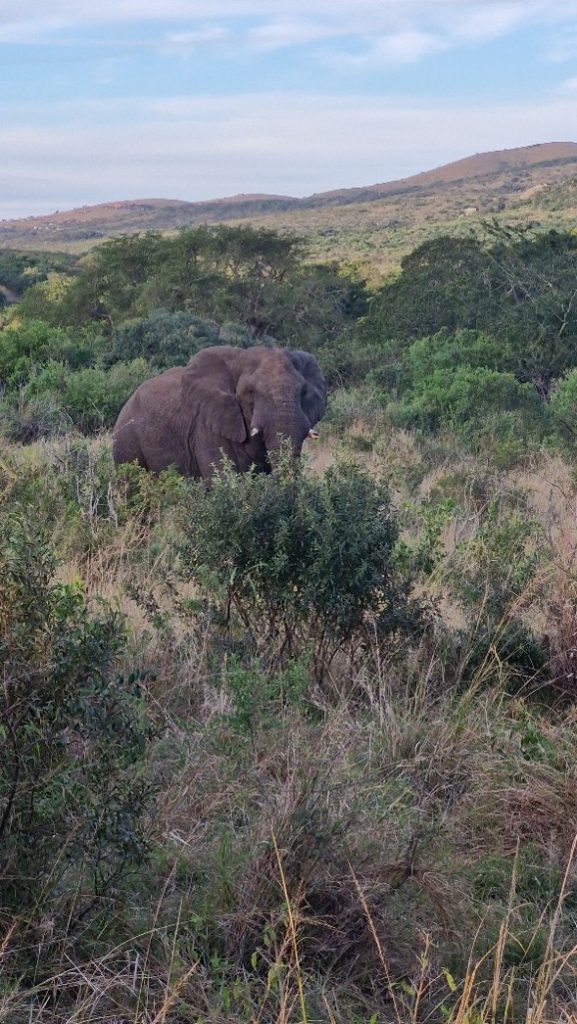
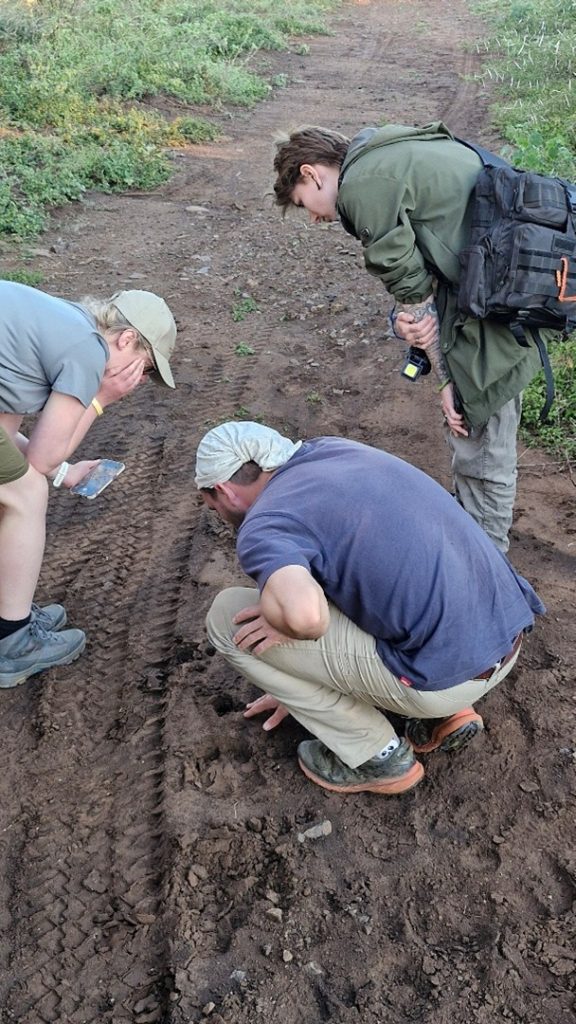
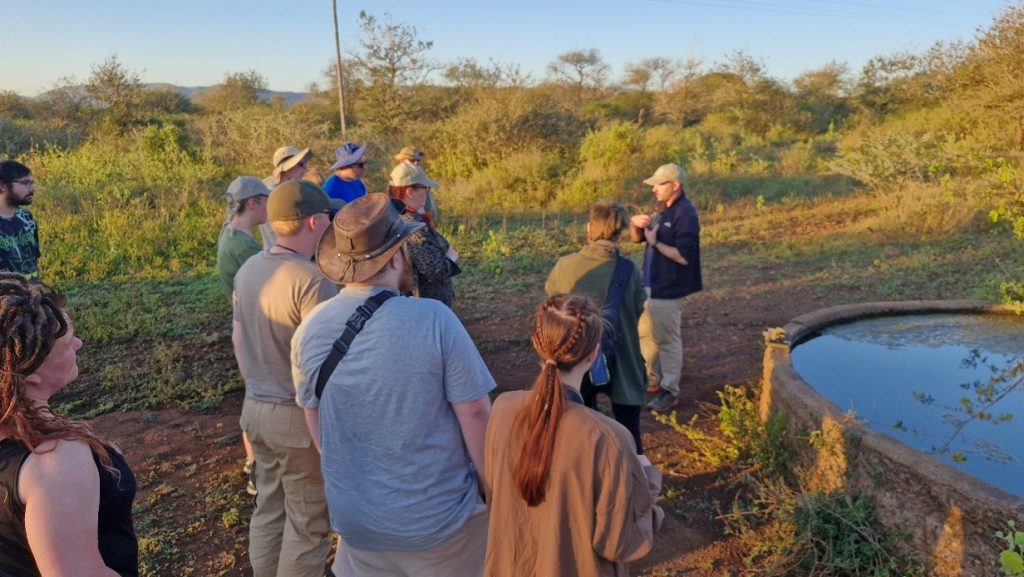
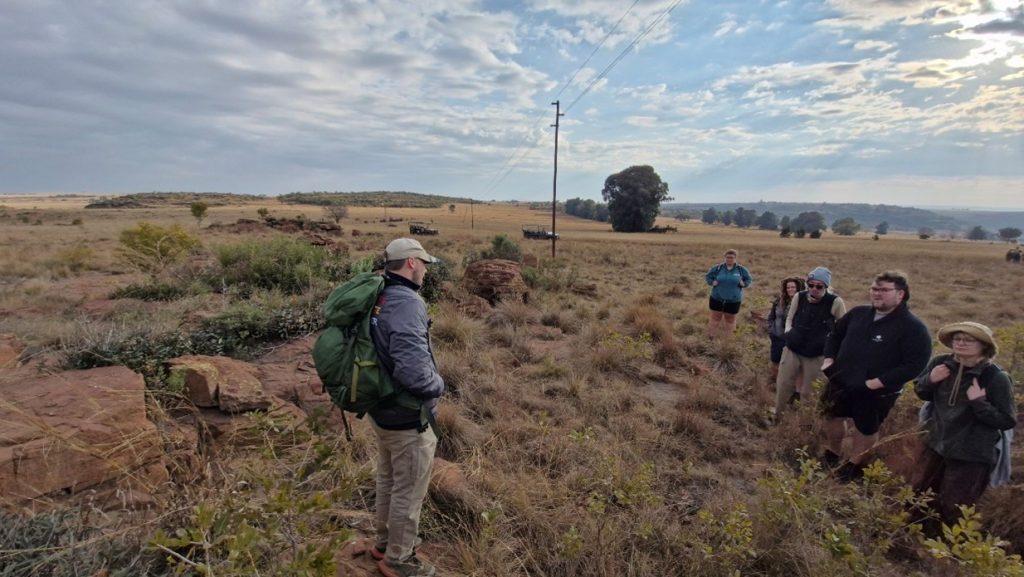
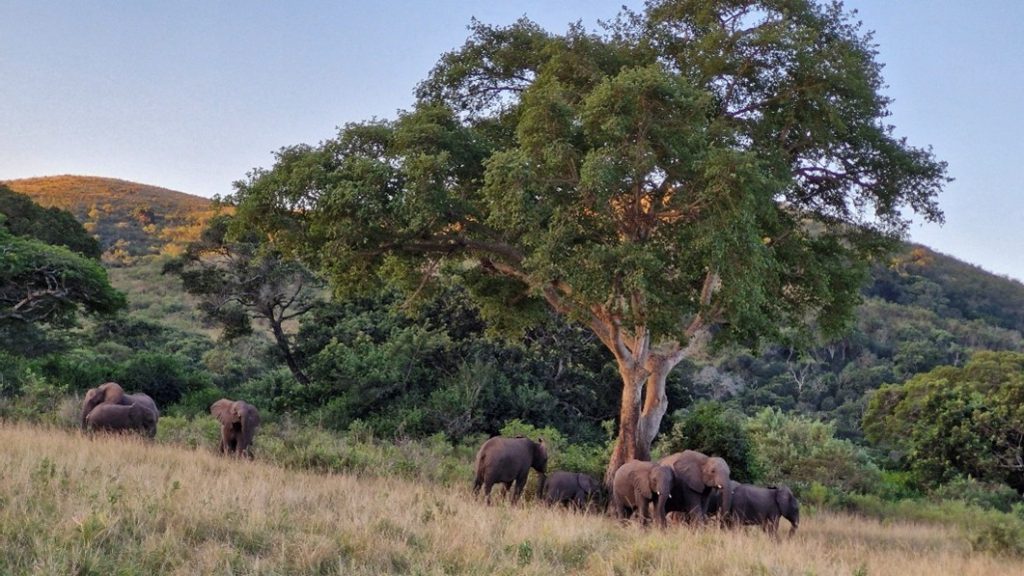
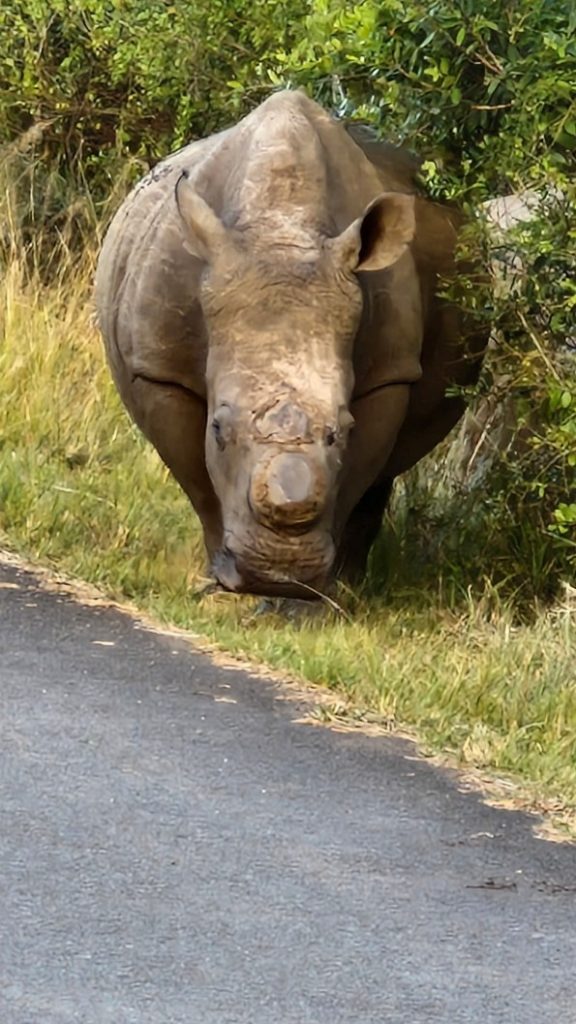
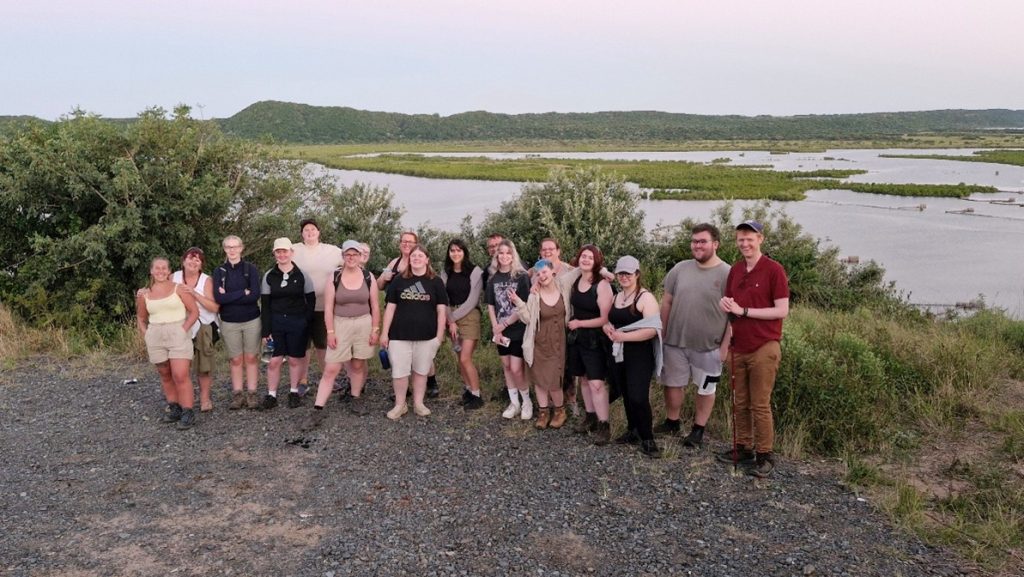
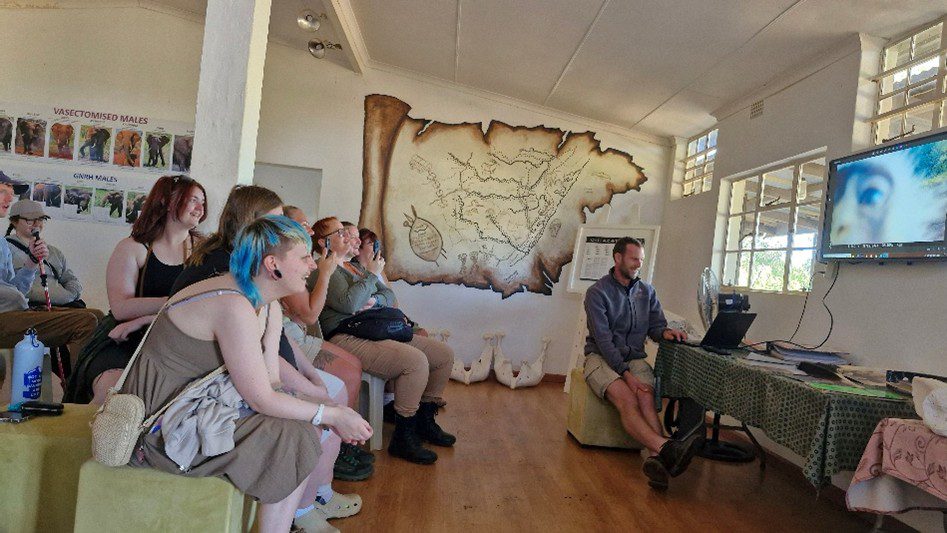
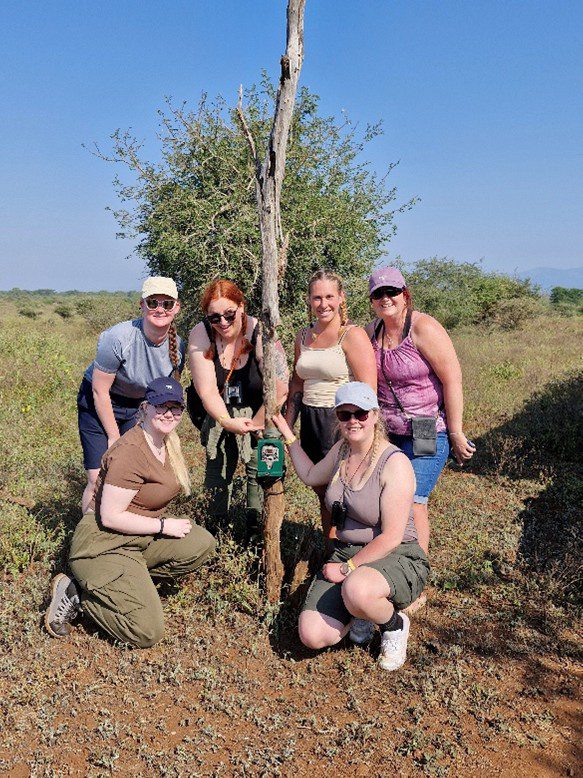
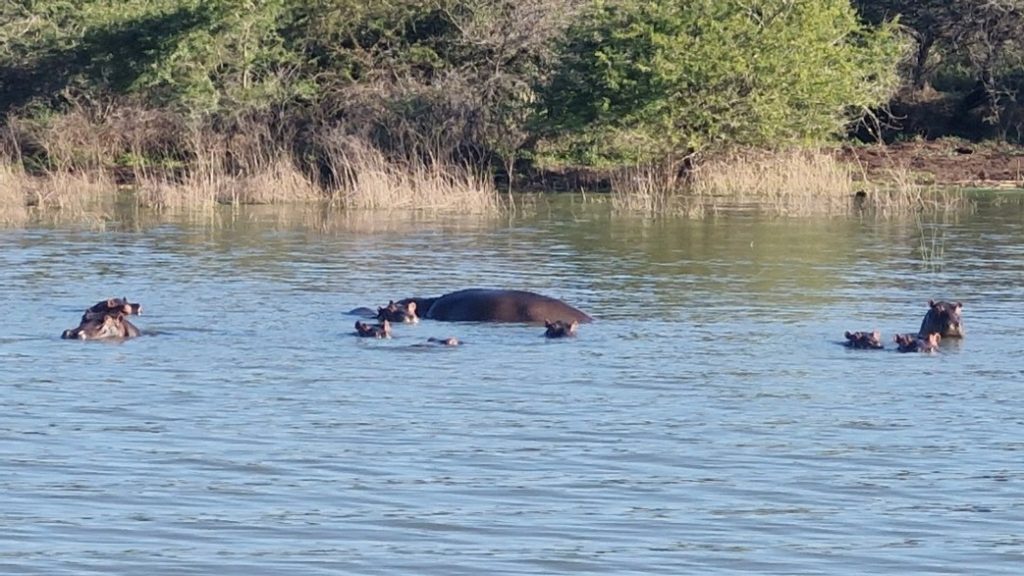
Assessments are designed to showcase competencies in authentic scenarios, with final grades reflecting sector-relevant knowledge and skills. Students benefit from small-group teaching, interdisciplinary enhancement activities, and field trips: locally, nationally, and internationally, with South Africa being the highlight.
Whether you're passionate about companion animals, wildlife, or working in policy and education, this degree provides a strong scientific foundation and a clear path into the animal welfare sector.
What you’ll study, year by year
13 modules
This course includes the following core modules that all students complete:
Full-time and part-time options are available for both years of the programme. Students are required to commit to attending for two days per week in term time. Past students have found this very helpful for balancing childcare and employment commitments. Work experience is a key component of the programme and students are given the time during the academic year to identify and undertake placements. Independent study is required throughout to complete assessments and prepare for lectures, seminars and tutorials.
Year 1
- Professional Development and Academic Skills20 credits
- Animal Health20 credits
- Animal Husbandry and Management20 credits
- Animal Welfare20 credits
- Biological Systems20 credits
- Ecology and Biodiversity20 credits
Year 2
- Anthrozoology20 credits
- Research Project20 credits
- Continuing Professional Development20 credits
- Animal Nutrition20 credits
- Applied Animal Behaviour20 credits
- Wildlife Conservation10 credits
- Genetics10 credits
Occasional changes to modules and course content may take place. Students will be notified when applicable.
How you’ll learn
You’ll learn through lectures, seminars and workshops.
- Lectures
- Seminars
- Workshops
- Practical and lab sessions
- Guest speakers
Read more about how you’ll learn
The primary way of delivering this course is on campus. On campus teaching includes a combination of lectures, small group seminars, workshops, guest lectures and one-to-one discussion with your tutor. Students will receive between 10 and 15 hours of teaching time per week throughout this course, depending on the mode of study. Additional one-to-one meetings with tutors will provide further support.
Students are assessed through a diverse range of methods that reflect the applied nature of animal welfare practice. These include practical assessments such as handling and laboratory work, alongside professional discussions and debates, written assignments (including case studies, reports, and training plans) posters and presentations, exams, and portfolios. This varied approach places a strong emphasis on developing sector-relevant knowledge, practical competencies, and critical thinking skills essential for working in the field of Animal Welfare
Meet us at an open event.
Where it can take you
This course is particularly relevant for those already working in, or looking to build a career within, the animal industry. It provides a broad range of skills applicable across multiple professional contexts, combining scientific knowledge with practical expertise.
Graduates have gone on to work in diverse roles including:
- Laboratory technician
- Animal nutritionist
- Veterinary pharmaceuticals
- Teaching
- Zoo education officer
- Animal collection keeper
- Animal rescue facilitator
- Self-employed animal welfare practitioner
Read more about careers and progression
The course supports both entry into the sector and career progression within it.
For those wishing to continue their studies, the programme offers a strong academic foundation for further qualifications. Progression routes may include degrees in Zoology, Animal Biology, Wildlife and Conservation, Animal Behaviour, Animal Studies, Animal Welfare, or the BSc (Hons) Applied Animal Welfare (Top-Up).
Found where you fit?
Our partnerships




Entry requirements
Don’t have the standard qualifications? You may still be able to apply.
32UCAS points
Taken a different path?
Applicants would normally be expected to have a minimum of 32 UCAS Tariff points or equivalent qualifications. We also encourage applications from mature students, and we are committed to creating educational opportunities for people from a variety of backgrounds and situations. If you have been out of formal education for some time, and/or you do not have the qualifications stated, we might still be able to consider your application and offer you a range of support. We are here to help. Please get in touch to find out more.
Fees and funding
£8,190
a year for UK students, full-time
£5,460
a year for UK students, part-time
Financial support
UK students can take out a tuition fee loan to cover the cost of their course and a maintenance loan to cover living costs.
We also have a range of other financial support available.
Additional costs
Your Tuition fees cover most costs associated with your course (including registration, tuition and assessment.)
There may be some extra costs that you might need to make, or choose to pay, for example:
Books (you’ll have access to books from your module reading lists in the HE library, but you may want to buy your own copies)
Printing and photocopying
Trips and enhancement opportunities
Students will be required to purchase a lab coat and a kennel coat in preparation for starting the programme. There will also be occasions when additional costs will occur, e.g. poster printing, trips and educational visits
If your course includes a work placement, you may be required to pay for a Basic or Enhanced Disclosure and Barring Service (DBS) check.
Questions about funding?
Your next step
Apply now, come and see us first, or ask us anything.
What happens after you apply
1
You apply
UCAS gives you an applicant ID to track your application. Apply direct and we’ll reply by email.
2
You hear back
Responses usually arrive between November and May: an unconditional offer, a conditional offer, or an unsuccessful application.
3
You get ready to start
Before you enrol we’ll need photo ID and copies of your certificates. Apply for Student Finance early.
Key information
Official course data published by Discover Uni, the government’s higher education information service.
Quick reference for careers advisers
Level
Level 5
Duration
2 years full-time
3 years part-time
Study mode
Full-time
Part-time
Awarding body
University of Hull
UCAS code
42DN (full-time)