

The BA (Hons) Game Development (Top-Up) course provides students with the unique opportunity to earn a degree in this dynamic field after successfully completing a Level 5 qualification in a relevant area. This programme emphasizes project-based learning, focusing on practical assignments and industry-standard workflows.
Students will engage in a variety of industry-focused assignments, including both team-based and solo projects. The primary aim is to develop a compelling and diverse portfolio, ready for professional interviews upon graduation.
The course is designed to allow a wide range of specialisms in a chosen area of Game Development (e.g Game Art, Game Design, Game Animation), with modules designed to align practical project work with individual career aspirations.
Our classrooms and studios are equipped with industry-standard hardware and software to ensure you have all you need to complete your work to the highest standards.
We are also proud to be a Game Republic Academic Partner and an Unreal Academic Partner.
Course Structure
Full-time students can typically expect around 12 hours per week of scheduled class time, although this may vary depending on the number of modules being studied.
Types of Contact Hours:
Lectures:
Lectures provide the core theoretical framework, introducing key concepts and principles related to emerging technologies in game development. They offer structured delivery of essential knowledge and industry context.
Demonstrations:
Demonstrations showcase practical applications of emerging technologies in areas such as game art, animation, design, and audio. These sessions help students visualize real-world integration and industry-standard practices.
Practical Exercises and Projects:
Hands-on activities enable students to experiment with emerging technologies and develop practical skills. These projects reinforce learning through real-world application.
Critiques and Feedback:
Regular feedback sessions provide constructive evaluation of student work, supporting continuous improvement and helping students refine their technical and creative approaches.
Mode of Delivery:
The majority of sessions are delivered in person, with occasional opportunities for blended learning where appropriate.
Self-Study Expectations:
Students are expected to undertake significant independent study alongside scheduled contact hours. This includes reading, research, project development, and preparation for assessments. A typical full-time student should plan for approximately 24 hours of self-directed study per week to complement classroom learning.
Major Project Proposal: This module focuses on developing a detailed proposal for your final major project. You will research, plan, and outline the scope, objectives, and methodologies to be used in your major project. Emphasis is placed on identifying potential challenges and formulating strategies to address them.
Collaborative Project: In this module, you will work as part of a team to develop a game or game-related project. This collaborative effort will simulate real-world industry practices, emphasizing teamwork, communication, and project management skills. You will learn to integrate different disciplines and roles within the game development process.
Major Project: Building on your proposal, this module involves the execution and completion of your major project. You will apply your technical and creative skills to produce a polished game or game-related product, demonstrating your ability to manage a substantial project from conception to delivery. Critical self-evaluation and iterative development processes will be key components.
Professional Practice: This module prepares you for a career in the game development industry. You will learn about industry standards, ethical considerations, and professional conduct. The module includes portfolio development, resume writing, and interview techniques, as well as participation in a game jam to gain practical experience and enhance your collaborative skills.
Assessment Methods
The primary way of delivering this course is on campus.
On campus teaching includes a combination of lectures, small group seminars, workshops, and one to one discussion with your tutor.
Students will receive between 12 hours and 16 hours of teaching time per week throughout this course, depending on the modules being taken. Additional one-to-one meetings with tutors will provide further support.
Progression
This course is particularly relevant to people already working in or looking to develop a career within the Creative media industries specifically around Games Development although skills taught across your time on the course can be transferred across a range of industries.
This course provides a range of skills relevant across a variety of different professions. People who have completed this course have gone on to work in areas including, quality assurance tester, games designer, games development tutor, games artist.
If you wish to continue studying beyond this course, it will provide you with a strong academic basis to do so. Course progression routes could include Masters level courses in games art, game design or animation or PGCE/PGCHE courses.
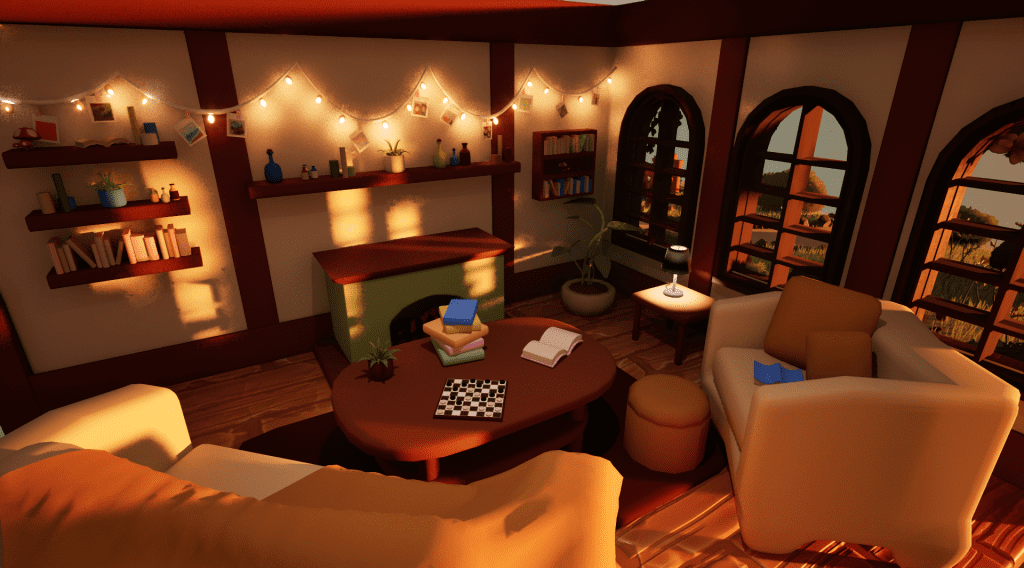
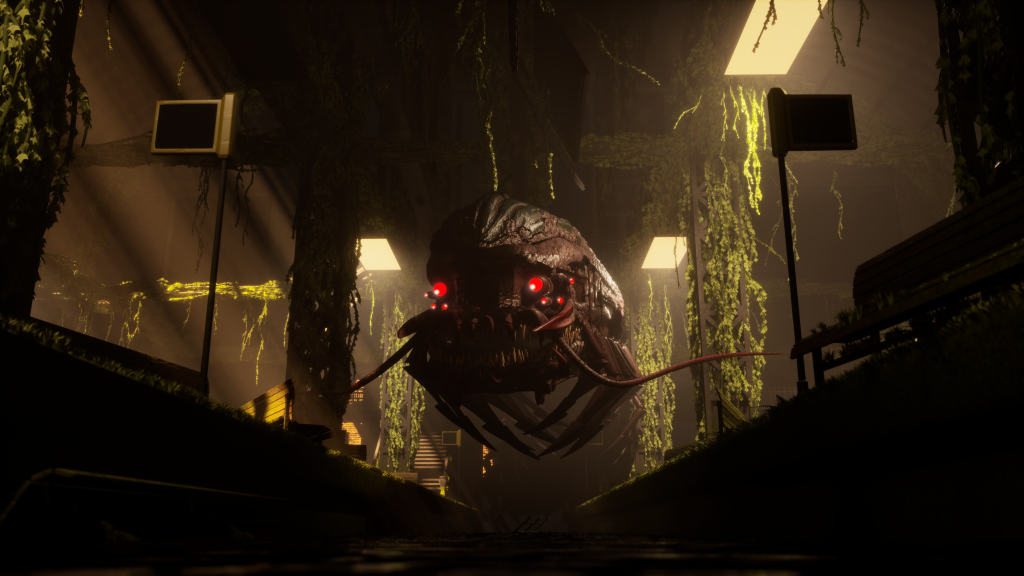
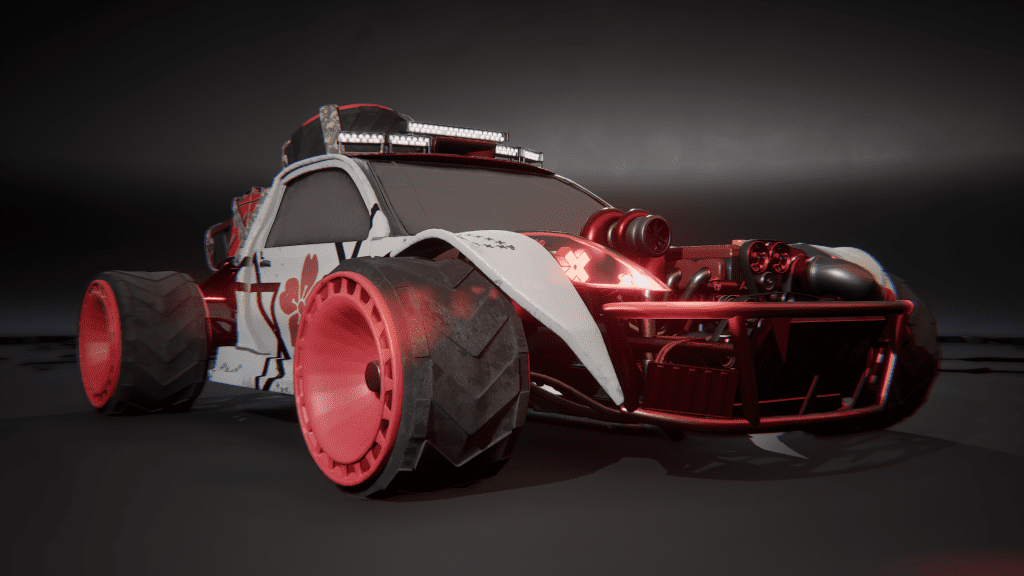
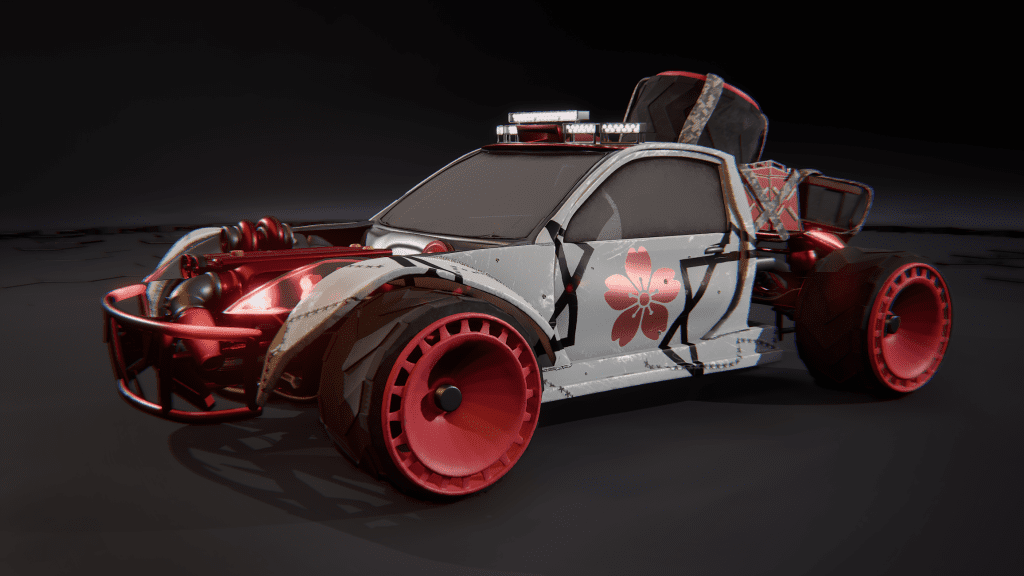
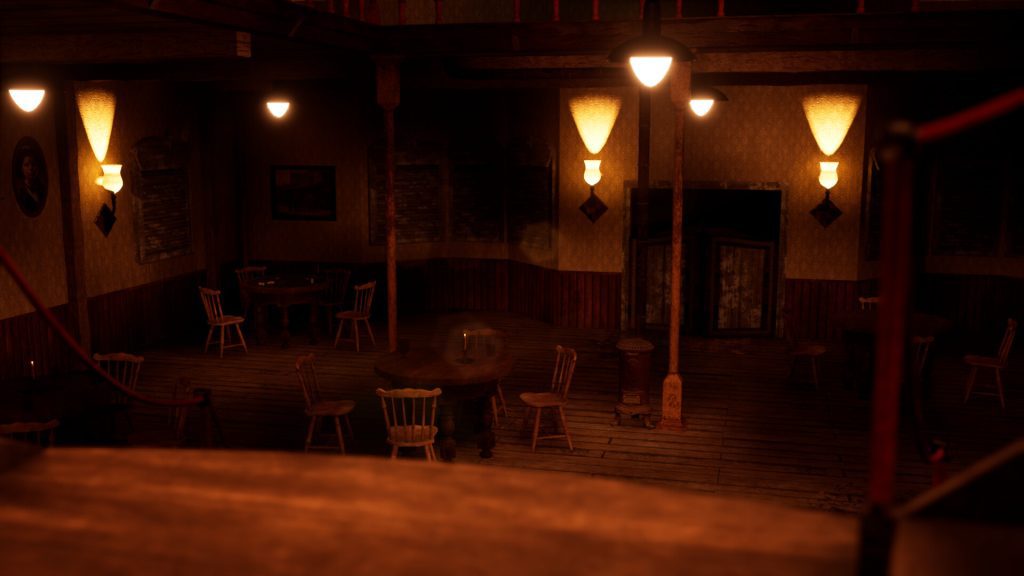
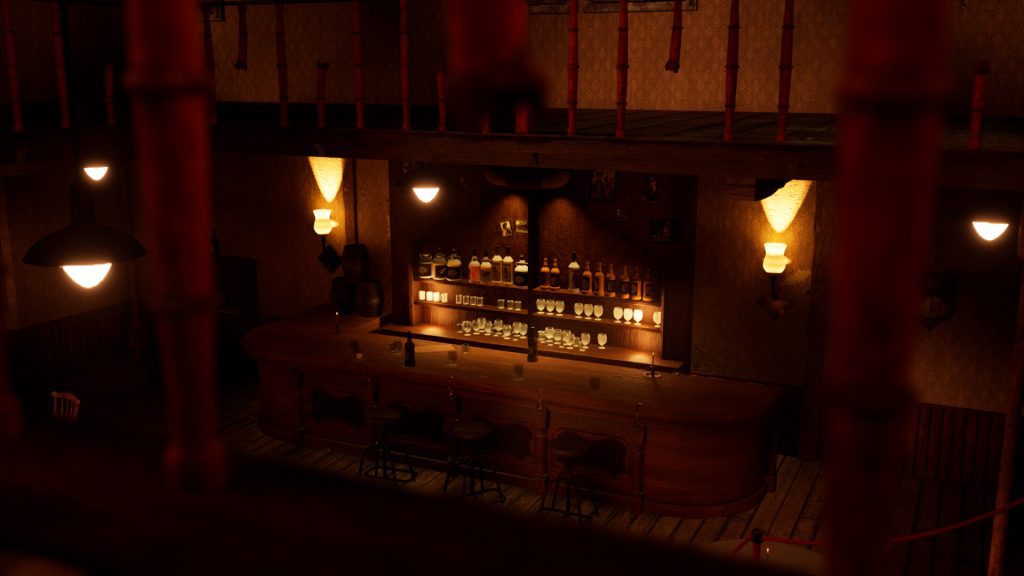
Student Work
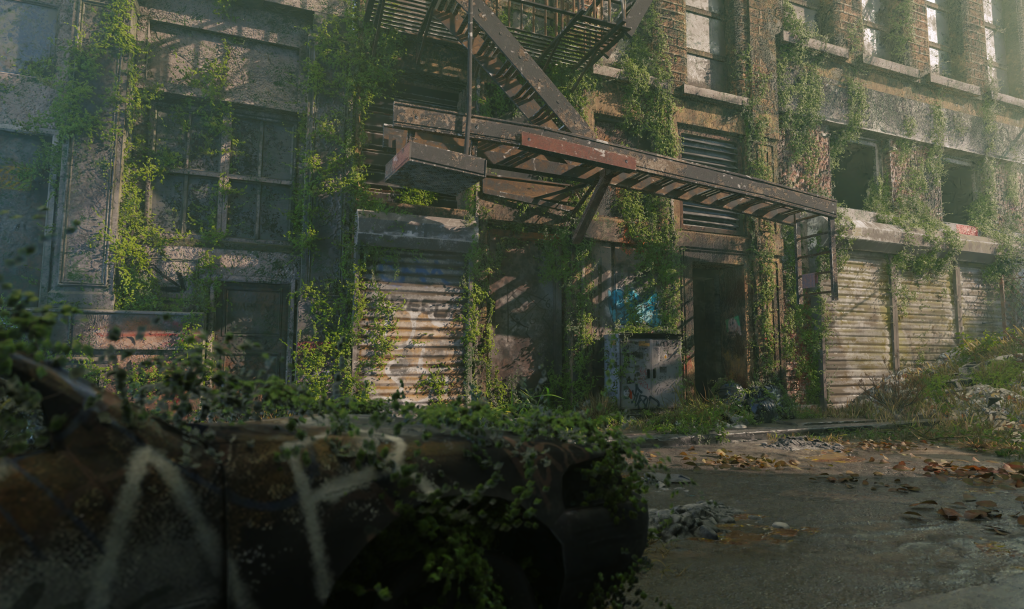
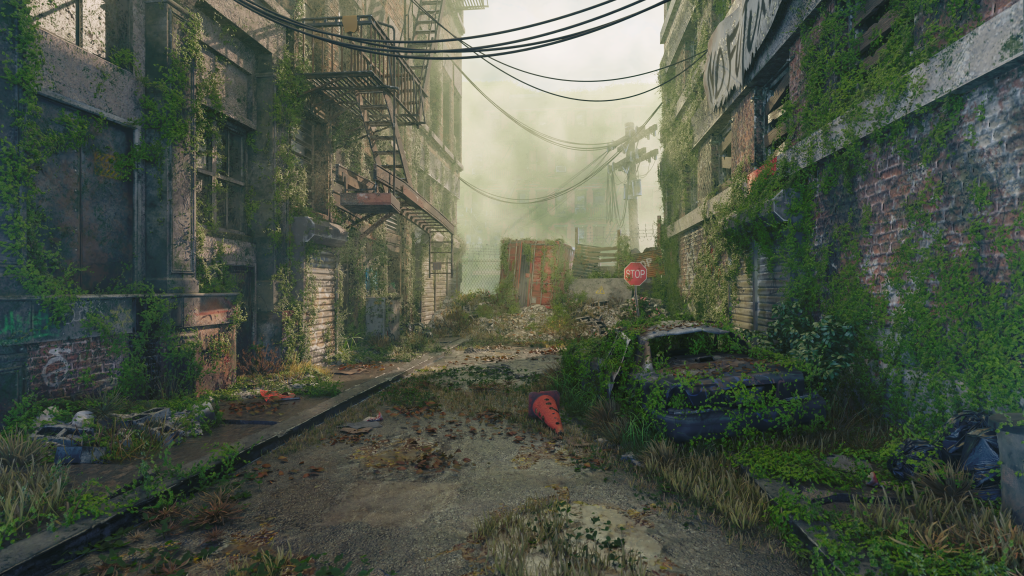
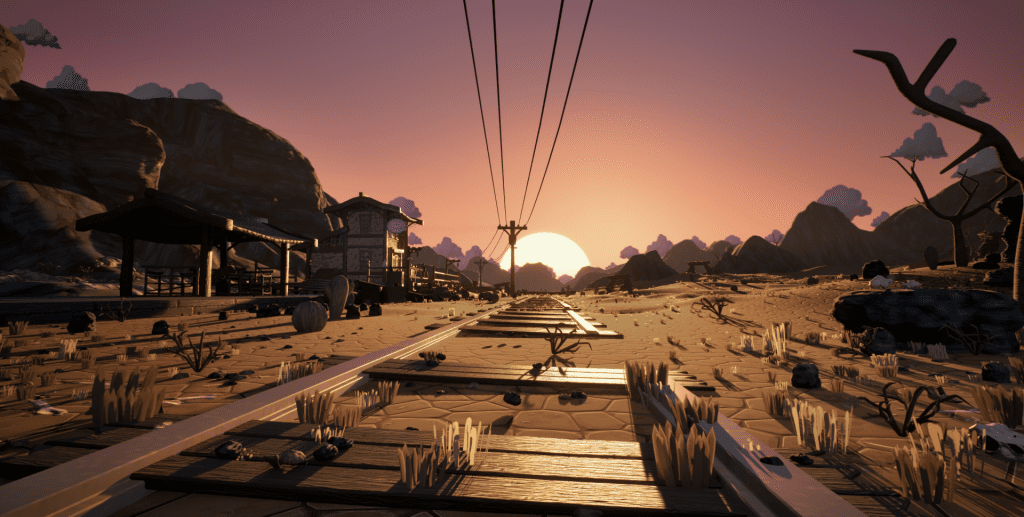
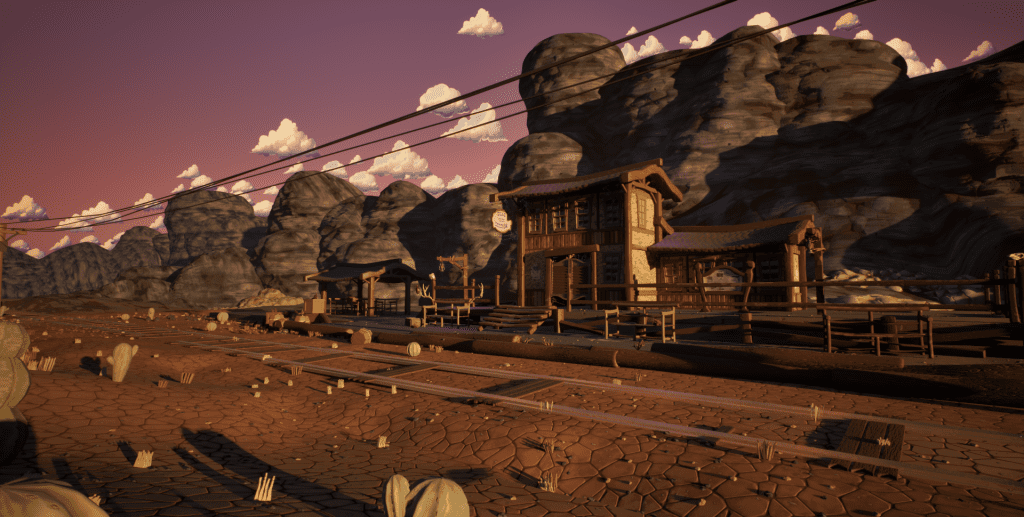
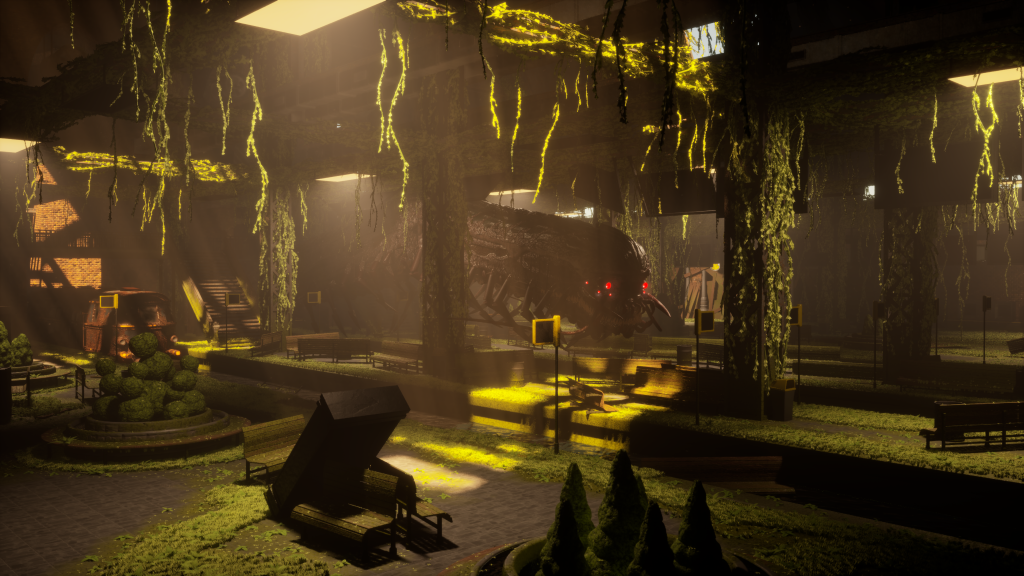
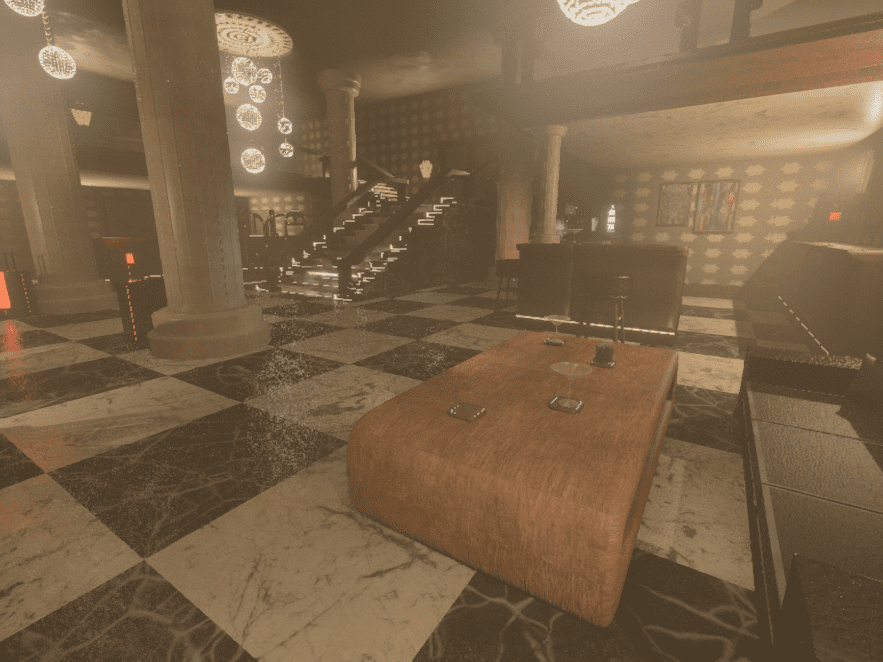
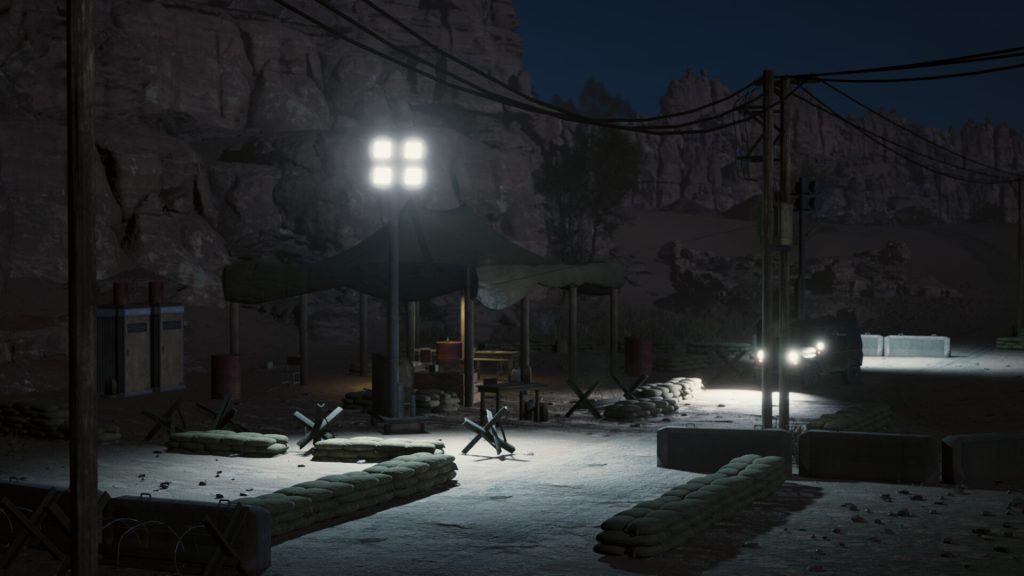
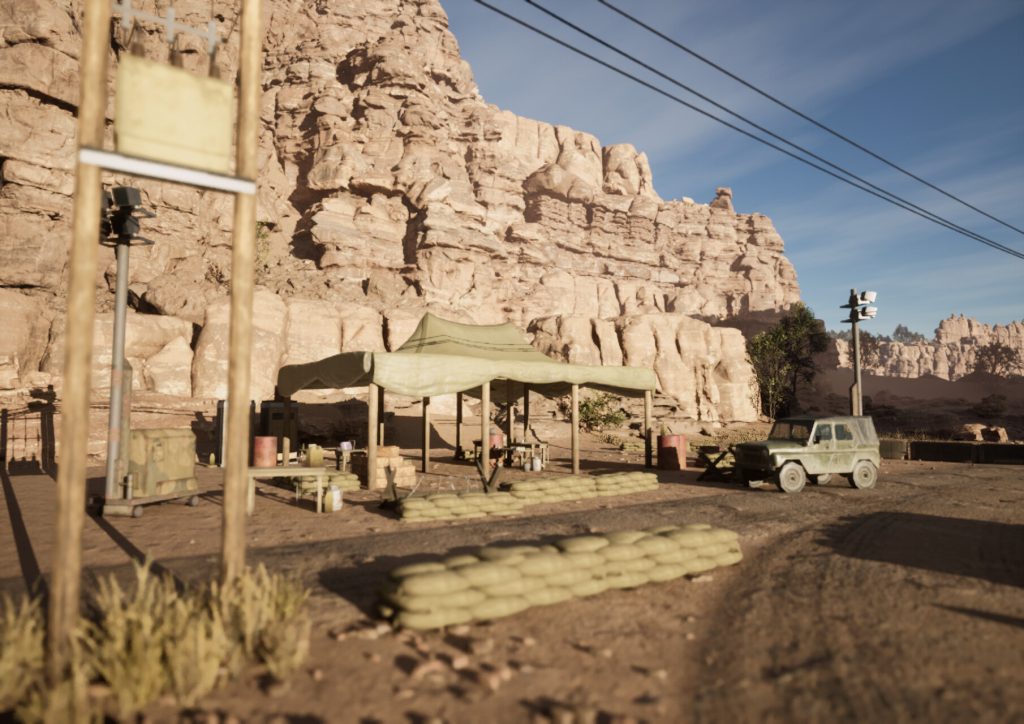
Course Fees
UK
£8190.00 Per Year.
Additional Costs
Your Tuition fees cover most costs associated with your course (including registration, tuition, and assessment.)
There may be some extra costs that you might need to make, or choose to pay, for example:
- Books (you’ll have access to books from your module reading lists in the HE library, but you may want to buy your own copies)
- Printing and photocopying
- Trips and enhancement opportunities
- Specialist Game Development software e.g. Zbrush
- Specialist laptop/PC for working at home (recommended although not required)
- Basic Drawing equipment (sketchbooks, stationary, etc)
If your course includes a work placement, you may be required to pay for a Basic or Enhanced Disclosure and Barring Service (DBS) check.
Quick Reference Guide
Level
Level 6
Duration
1 Year FT
Study Mode
Full-Time
Awarding Body
University of Hull
UCAS Code
W6TU
Ready to Start Your Journey?
Applications are open. Apply online in minutes.
Questions? Call 0800 358 74 74