

At Level 4, students will build a strong foundation in the core principles of game development, exploring the creative and technical aspects that shape the industry.
Through a series of introductory modules, students will gain insight into four key specialisms: Game Design, Game Art, Game Animation, and Sound for Games, while also developing an understanding of the history and evolution of the games sector. This broad introduction provides an excellent platform for students to progress into more specialised roles in later stages of the programme.
Our learning spaces are equipped with state-of-the-art, industry-standard technology, ensuring students have access to the tools used by professionals. Facilities include high-performance computers, and dedicated sound studios, enabling hands-on experience with cutting-edge equipment throughout their studies.
We are also proud to be a Game Republic Academic Partner and an Unreal Academic Partner.
Course Structure
Full-time students can typically expect around 12 hours per week of scheduled class time, although this may vary depending on the number of modules studied. Most learning takes place face-to-face in classrooms, with some opportunities for blended learning; however, blended learning is not guaranteed.
Types of Contact Hours:
- Lectures: Deliver theoretical knowledge and introduce foundational concepts.
- Demonstrations: Showcase practical applications of emerging technologies in game development.
- Practical Exercises and Projects: Provide hands-on experience in game art, animation, design, and audio.
- Critiques and Feedback: Offer constructive evaluation of student work to support continuous improvement.
Self-Study Expectations
Students are expected to undertake significant independent study alongside scheduled contact hours, typically 20–24 hours per week, including reading, research, project development, and assessment preparation.
This course includes the following core modules that all students complete:
Level 4
In the first year of the programme, students will delve into the core concepts and principles of game development. They will have the opportunity to explore four specialisms – game design, game art, and game animation and sound for games– through introductory modules as well as learning about the industry as a whole and the history of the games sector.
Games Industries (20 Credits) (GDEV401): This subject provides an in-depth exploration of the games industry, including its structure, business models, marketing strategies, and emerging trends. Students will gain insights into the different roles and career pathways within the industry.
Contextual Game Studies (20 Credits) (GDEV402): This module explores the evolution of video games, from their early beginnings to the present day. Students will analyse significant milestones, influential games, and the cultural impacts of gaming.
Game Design Fundamentals (20 Credits) (GDEV403): This module provides an overview of game design principles, mechanics, and storytelling techniques. Students will learn how to conceptualize and develop game ideas and utilise cutting edge game engines to create playable prototypes.
3D Game Art Fundamentals (20 Credits) (GDEV404): This module introduces students to the fundamental principles of game art, including 2D and 3D art creation, environment art, and asset integration. Students will gain hands-on experience with industry-standard tools and software.
Game Animation Fundamentals (20 Credits) (GDEV405): This module covers the basics of 3D game animation, including the principles of 3D animation, rigging, character movement, and animating objects. Students will develop essential skills in creating dynamic and believable animations for games.
Audio Fundamentals (20 Credits) (GDEV406): The module is designed to reflect the importance of recording, editing, mixing and implementation within the game audio production process by equipping the student with both the theoretical knowledge and the core operational skills required to work successfully in a modern recording environment.
Assessment Methods
Assessment methods are varied to reflect the practical and theoretical nature of the programme and include:
Video/Written Essays – Critical analysis and research-based writing/speaking
Portfolio Projects – Practical work demonstrating technical and creative skills.
Presentations – Communicating ideas and project outcomes effectively.
Timed practical assessment – Testing practical understanding and application of concepts.
Group Work – Collaborative projects simulating industry practice.
Quiz – Timed restricted multiple-choice quiz under exam conditions to assess understanding of key concepts.
Progression
If you wish to continue studying beyond this programme, you can stay with us to study our Level 5 FdA programme.
Video Showreel
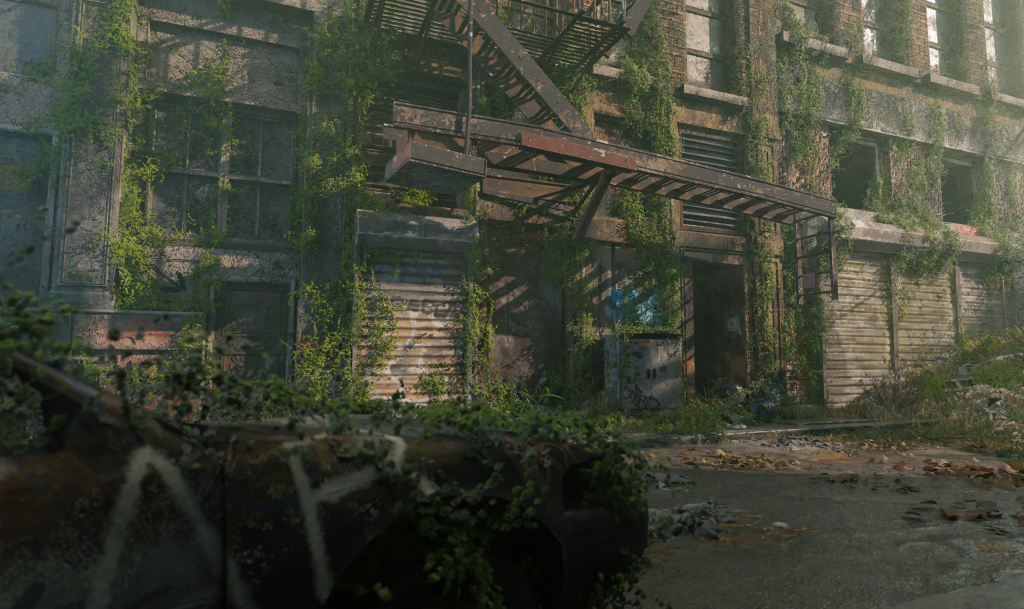
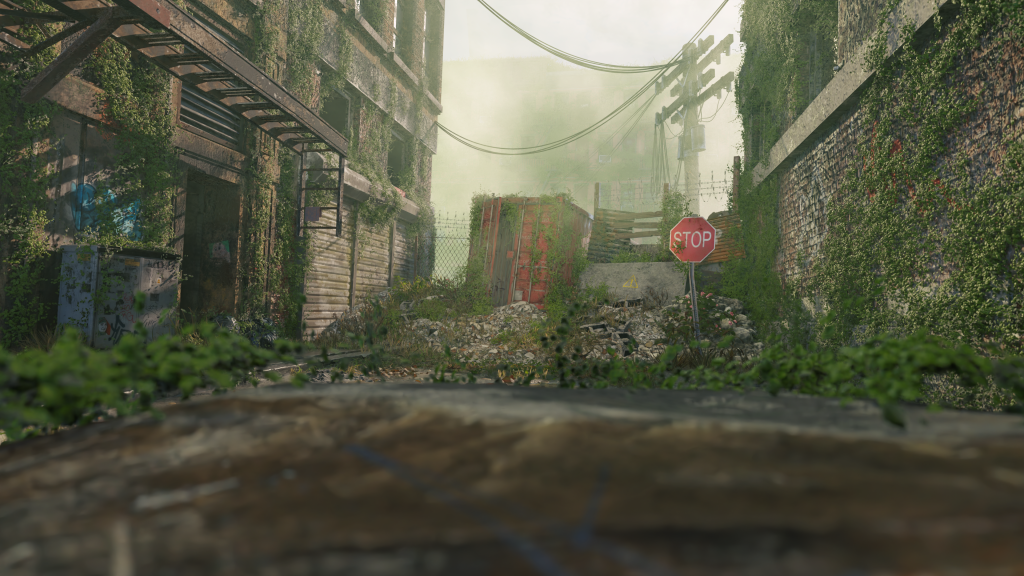
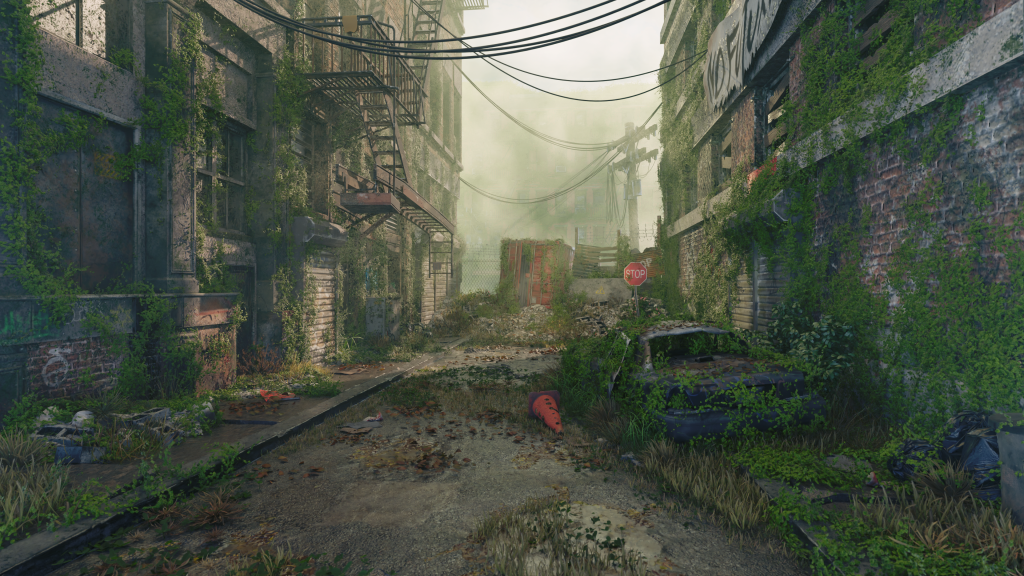
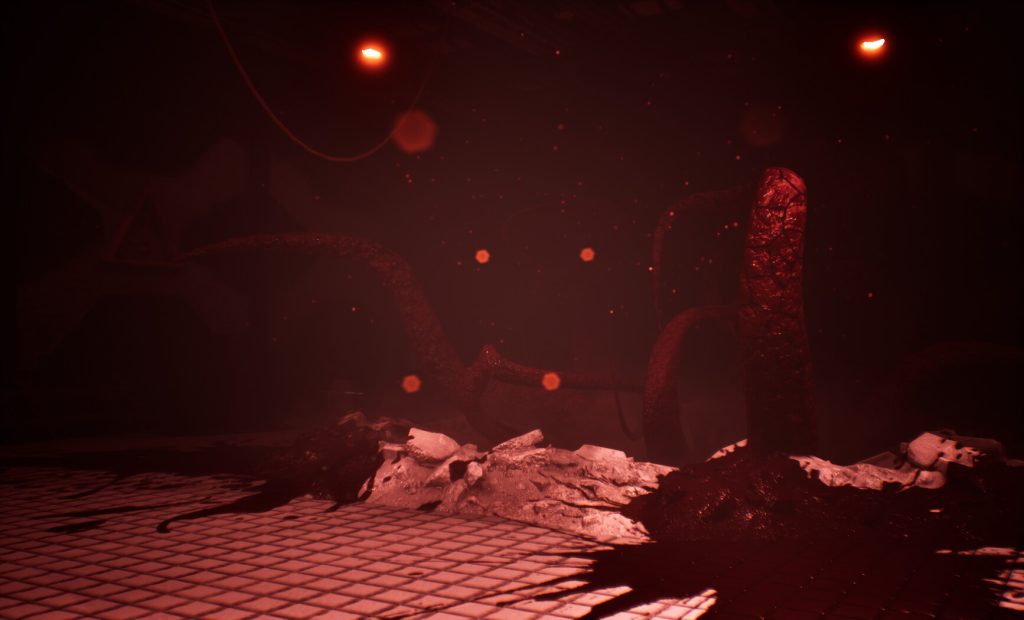
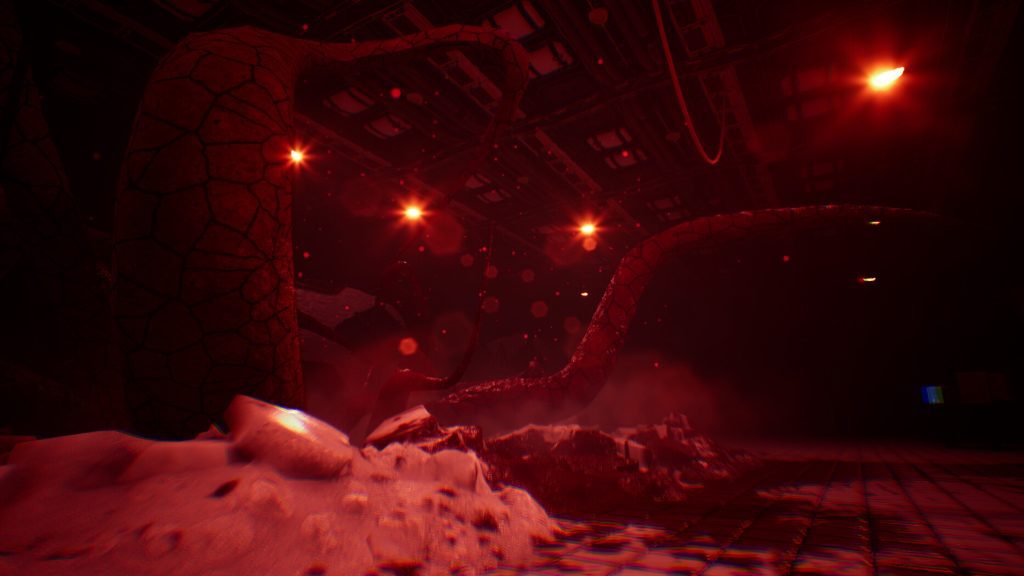
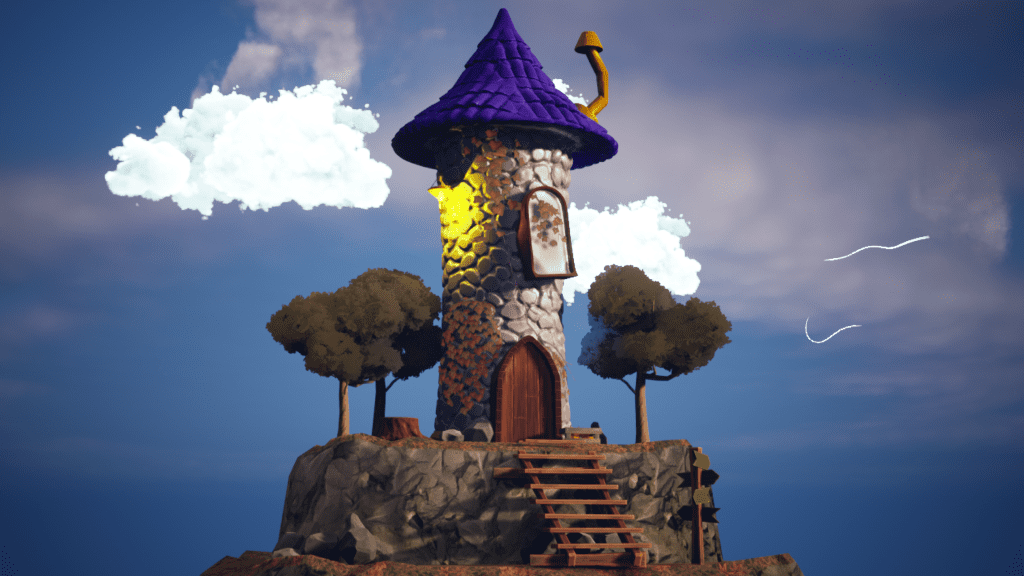
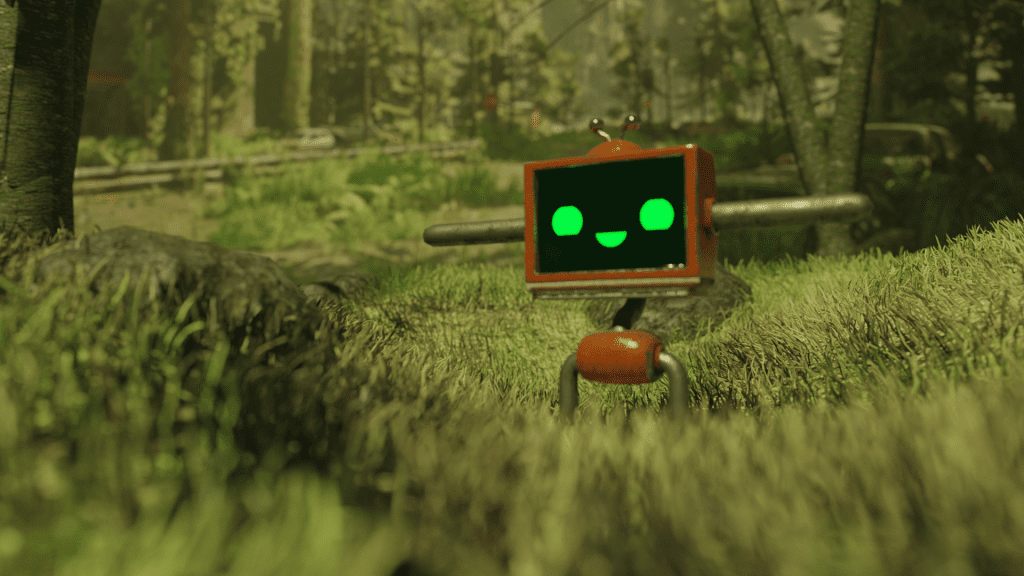
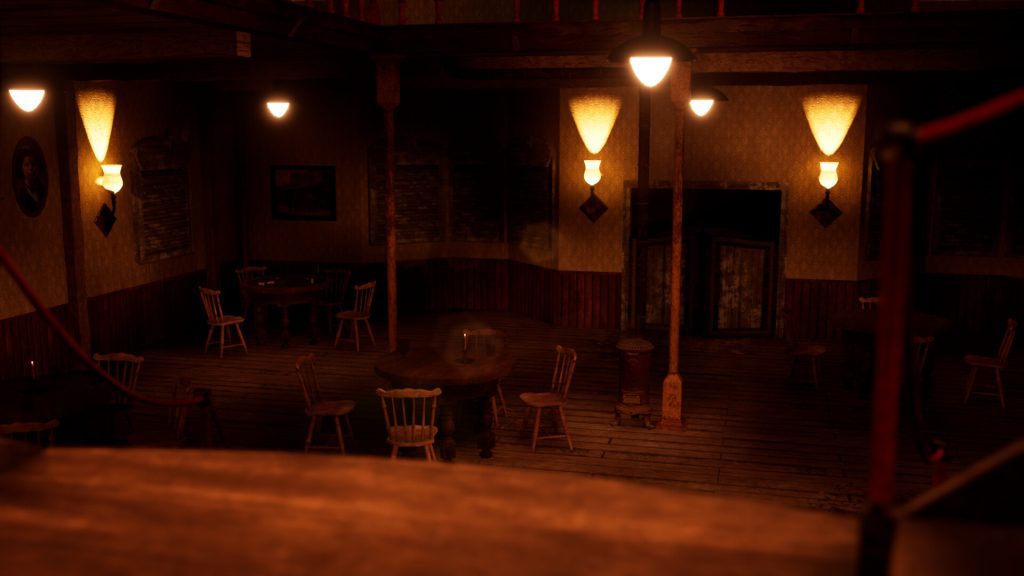
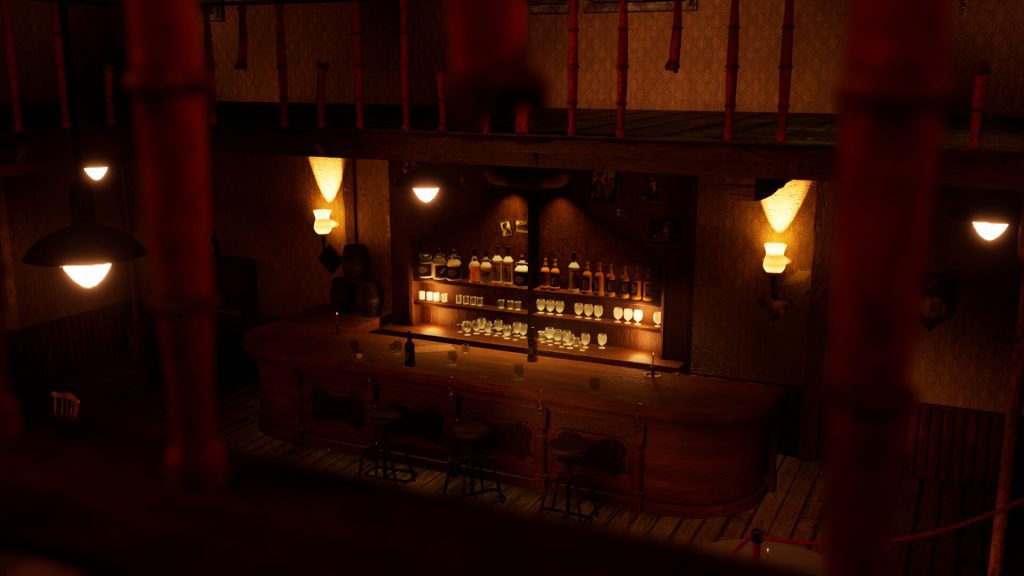
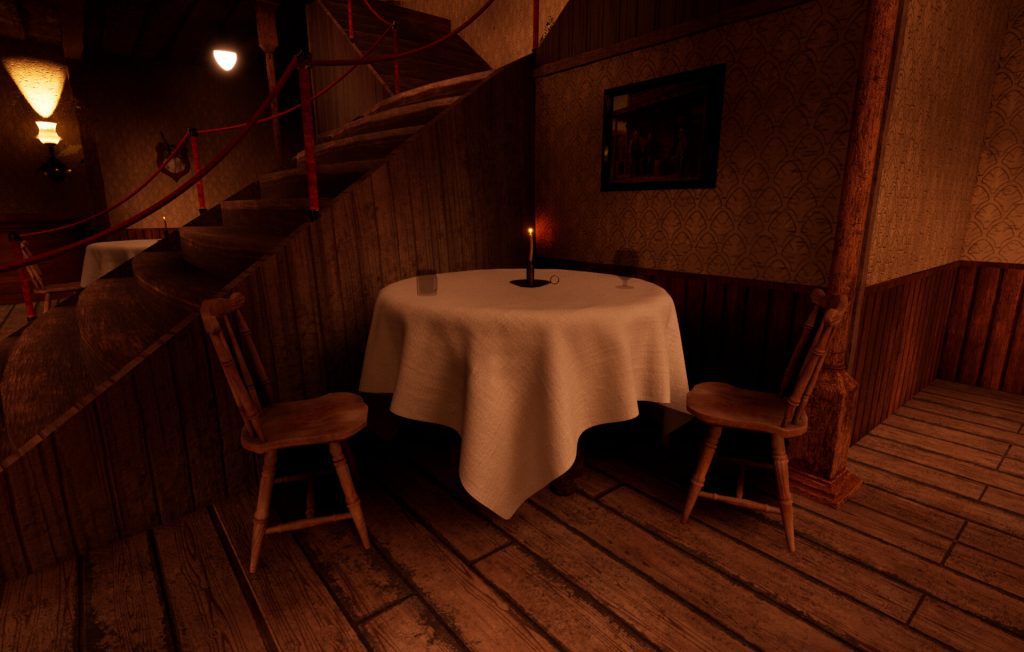
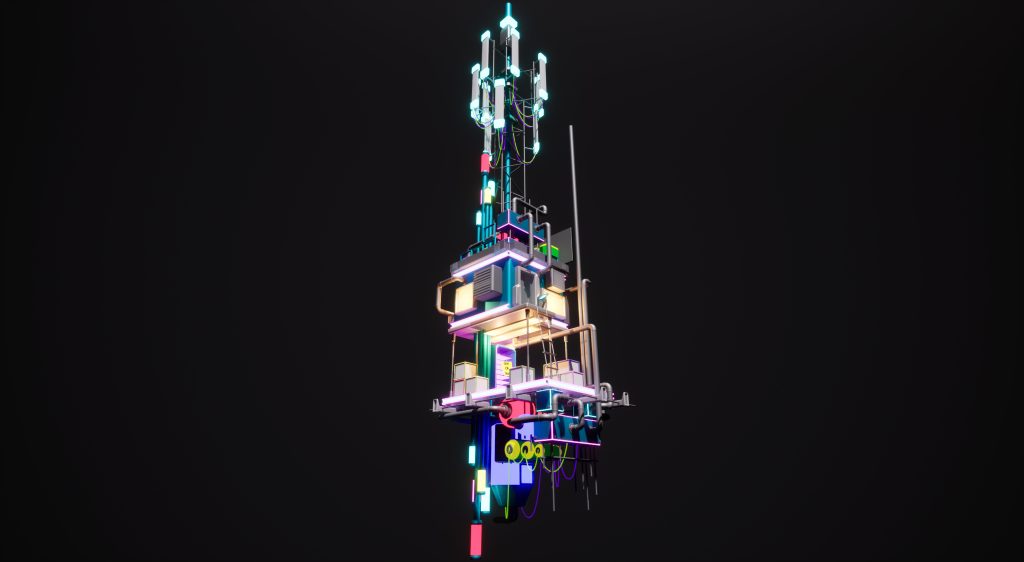
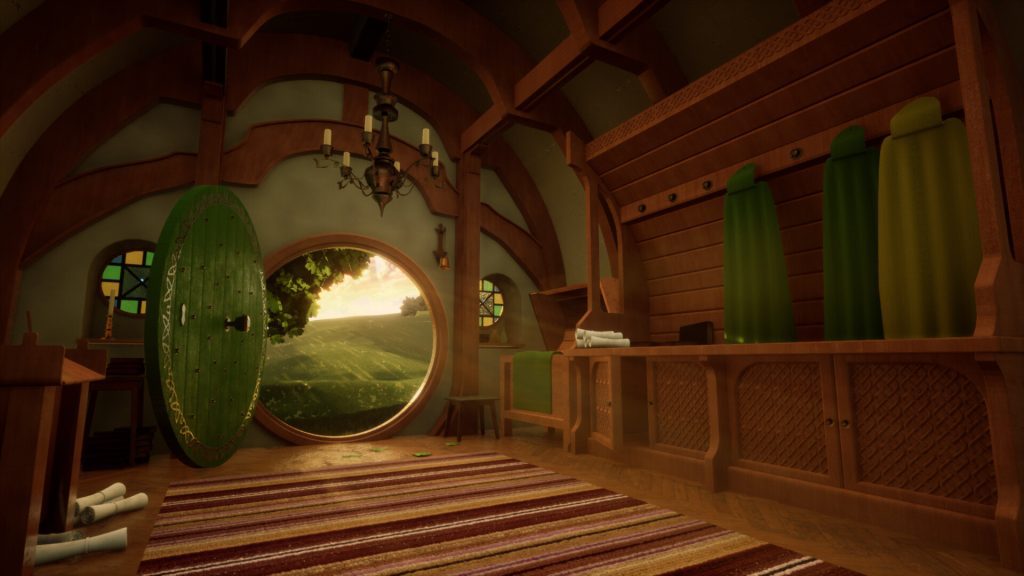
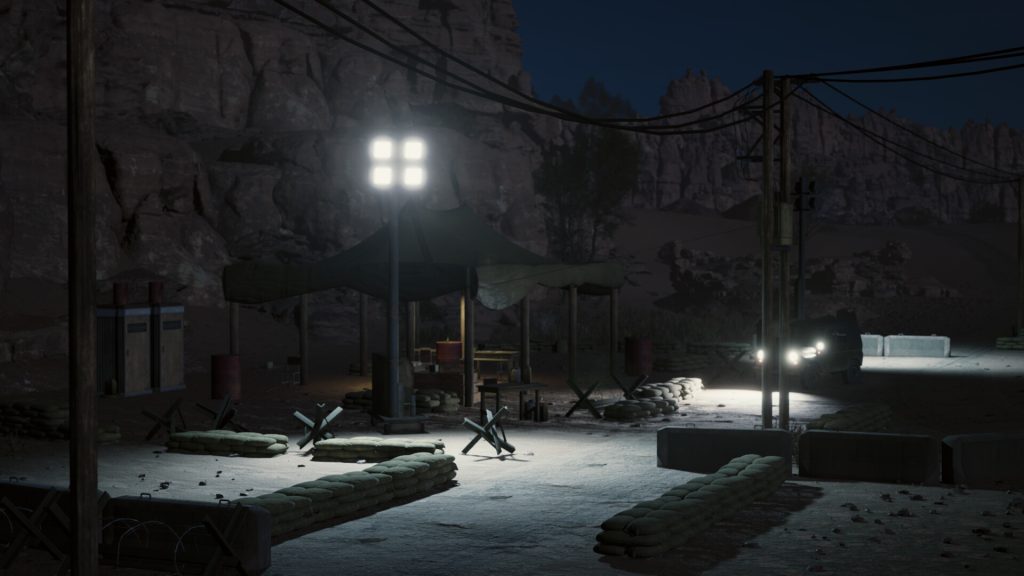
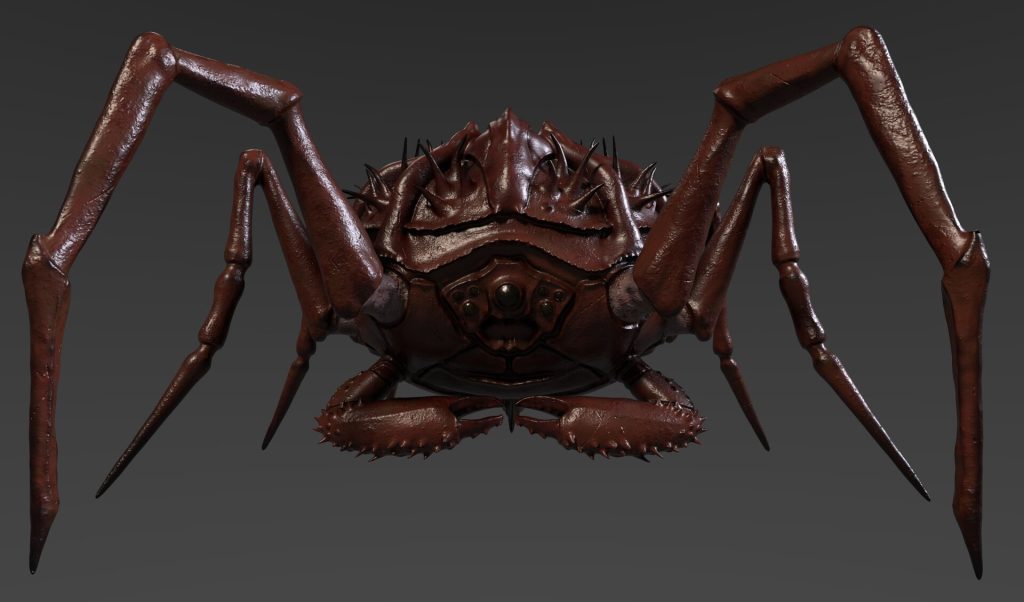
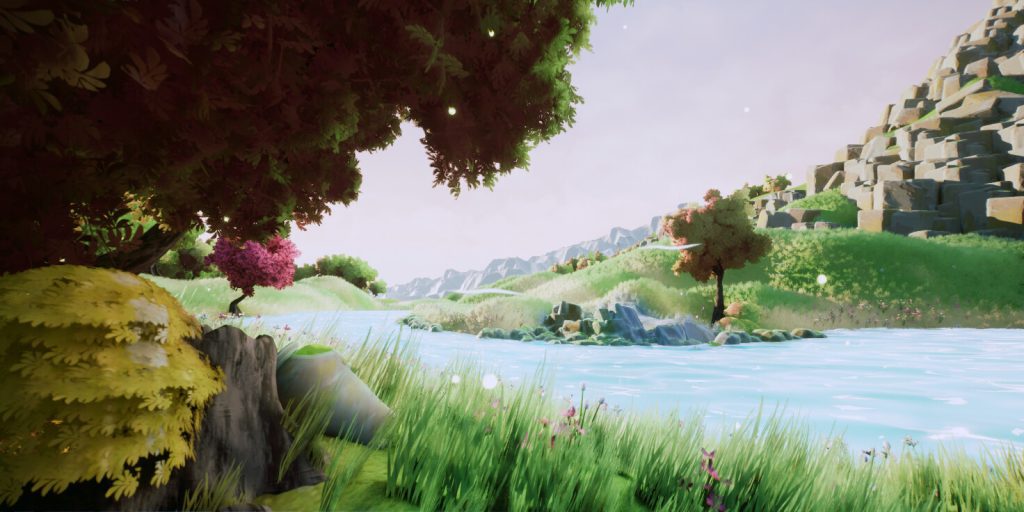
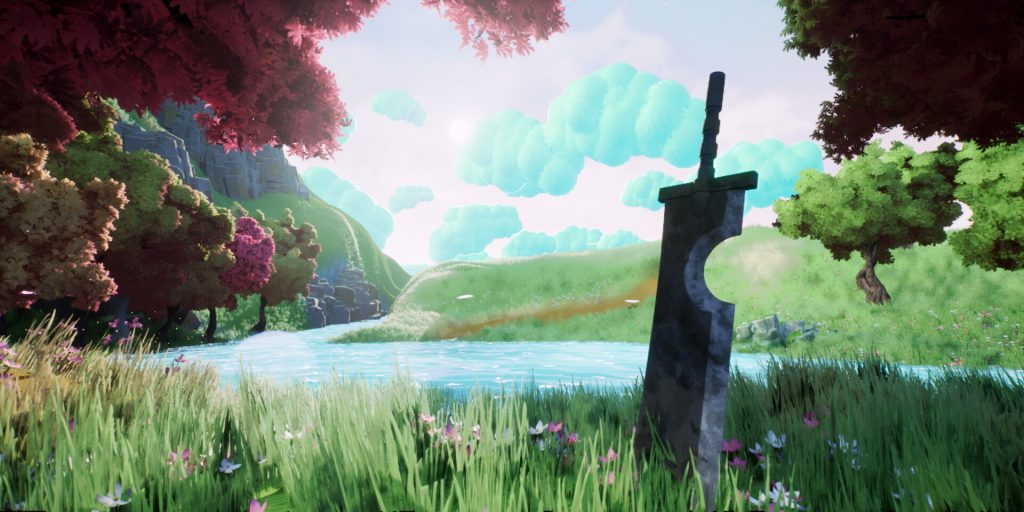
Student Work








Course Fees
UK
£8190.00 Per Year
Additional Costs
Your Tuition fees cover most costs associated with your course (including registration, tuition, and assessment).
There may be some extra costs that you might need to make, or choose to pay, for example:
- Books
- Printing and photocopying
- Trips and enhancement opportunities
- Specialist Game Development software e.g. Zbrush
- Specialist laptop/PC for working at home (recommended although not required)
- Basic Drawing equipment (sketchbooks, stationary, etc)
Quick Reference Guide
Level
Level 4
Duration
1 Year
Study Mode
Full-Time
Awarding Body
University of Hull
UCAS Code
P312
Ready to Start Your Journey?
Applications are open. Apply online in minutes.
Questions? Call 0800 358 74 74