

“Concept Art is the birthplace of ideas, while Illustration breathes life into those ideas, shaping worlds and narratives.”
Iain McCaig, world renowned Concept Artist (‘Star Wars’ films franchise, ‘The Avengers’, ‘Guardian of the Galaxy’, ‘Harry Potter and the Goblet of Fire’, ‘Terminator II’, ‘Outlander’ …)
Join us and be part of a vibrant studio culture and community of students working individually and collaboratively to help shape the future of the U.K.’s Creative Industries.
On our exciting and unique Illustration & Concept Art degree course you will learn from experienced lecturers/practitioners and engage with innovative, up-to-date, industry aligned curriculum that encourages you to push boundaries and explore new approaches. With hands-on experience, digital fluency, a diverse creative skillset, professional and entrepreneurial abilities, our graduates are equipped to hit the ground running, and launch their careers creating distinctive, high quality visual content for the publishing, editorial, advertising, animation, film, television and video games industries.
We understand the importance of collaboration and interaction to seamlessly connect on-campus students with distance and flexible learners. Whether you are studying in one of our studios or studying remotely, you’ll be able to engage in real-time discussions, work on group projects, and participate in group critiques. This ensures all students, regardless of location, benefit from the same high quality educational experience and the opportunity to build a network of peers and contacts.
At both levels 5 and 6 you will engage directly with industry professionals in both requesting assignment briefs and receiving invaluable personal feedback. Some examples being renowned concept artists and illustrators Andrew Porter, Tyler Edlin, Marco Bucci, Viviane Schwarz, Korky PauI and Keith Robinson, including two of our own graduate alumni Darren Watford and Stephen Harris.
Our students take part in both national and international annual competitions, including the World Illustration Awards (AOI), Bologna Book Fair – Children’s Book Illustration Competition, V&A Illustration Awards, Picture Hooks Competition, The Rookie Awards (Illustration, Animation, Concept Art, Video Games, VFX, VR and Design), Cheltenham Illustration Awards, Macmillan Prize for Illustration and Folio Book Illustration Award.
We are a member of the AOI (Association of Illustrators) that provides students, tutors and professionals with excellent on-line and published resources, including opportunities to attend specialist one-day workshops, benefit from industry guest speakers, and be included in student portfolio surgeries.
The key to success is for you, whether as a student or graduate, to stay passionate, continue learning and growing, and be open to new opportunities and experiences.
Course Structure
The primary way of delivering this course is online and teaching includes a combination of live/recorded lectures, small group seminars, workshops, presentations, guest lectures, and one to one discussion with your tutor.
Students will receive 12 hours of teaching time per week throughout this course at each level. Additional one-to-one online tutorial meetings will provide further support and allows a perfect opportunity for you to review and reflect. Online students will also have the opportunity to collaborate and share work with their on-campus peers during sessions.
Students are provided with online platforms (recorded Microsoft Teams sessions), our Virtual Learning Environment (VLE) is also via Microsoft Teams, including student forums, one-to-one and group tutorials, plus email feedback. All module project handbooks and learning support materials are made available to access online via our VLE programme areas.
At undergraduate level, an increasing emphasis is placed on independent study when progressing through the programme. Independent study can take place at home, and our on-campus students can also access their specialist studios, plus the Higher Education (HE) Learning Resource Centre (LRC), Monday to Friday. The LRC is also accessible on-line, and students have access 24/7 to many specialist student resources, including on-line specialist books, journals and magazines. Student independent hours per week are approximately 24-28 hours.
For each level /year of the course students need to complete a total of 120 credits, that is made up of several individual modules and equates to 1200 hours of learning.
The illustration and concept art industries have always traditionally drawn on principles of ‘studio’ and project-based learning, critiques and feedback. To that end, the assessment approach for the programme aims to engage students in authentic learning environments, with increasingly complex creative problems to solve as they progress through levels 4, 5 and 6.
Teaching Methods
Has mentioned earlier, teaching consists of online live/recorded lectures, small-group seminars, presentations, guest lecturers, workshops, including one to one and group tutorials. These are core modes of teaching that inherently facilitate your learning – used interchangeably and are often combined to suit a particular learning activity.
Programme Modules
Our programme modules are designed to build and extend students’ creative skillsets and knowledge of illustration and concept art for the creative industry fields that include film, television, animation, video games, children’s picture books, publishing, editorial, design and advertising.
In terms of module structure, scaffolded learning is applied, as this helps level 4/year 1 to level 5/year 2 students to acquire, develop and build their technical and creative skills, extend specialist knowledge, learn from feedback and critique, and self-directed learning skills. Level 6/year 3 students apply their accumulated knowledge and skills to more independent and autonomous study modules. This encourages the development of self-directed learning skills and prepares you for real-world demands of the creative industries when you graduate.
The tutor team provide detailed instruction and guidance for completing each module and stage of a project, including the ways in which the modules link through each level – using increasing knowledge and skills that will be applied to specific illustration, concept art and design techniques, traditional and software tools, academic engagement and best practices.
Experimentation also plays an important and intrinsic role within the creative design process at all levels of the course; with both your personal art style and voice evolving as you progress through each level.
Course Structure
This course includes the following core, compulsory modules that all students complete:
Level 4 | Year 1
Drawing Fundamentals – 20 credits
Digital Illustration Fundamentals – 20 credits
History of Art & Design – 20 credits
Drawing & Concept Art – 20 credits
Digital Illustration & Design – 20 credits
History of Illustration: Theory & Practice – 20 credits
Level 5 | Year 2
Industry Practice Report – 20 credits
Industry Practice Project – 20 credits
Self-Promotion & Industry Contacts – 20 credits
Commercial Project – 20 credits
Specialist Industry Project – 40 credits
Level 6 | Year 3
Independent Research Project – 40 credits
Major Project Visual Development – 20 credits
Major Project Realisation – 40 credits
Portfolio Development & Promotion – 20 credits
Feedback
During each module and level of the degree ongoing formative feedback and suggestions are provided on your work and performance. In addition, summative assessment provides grading, plus written feedback and feedforward at the end of each project. Tutor and peer recommendations at group presentation stages are constructive and identify where improvements can be made.
Community
The course continues to build and maintain a vibrant student community. Group sessions and forums play an integral and invaluable role in ensuring students feel fully supported in their studies. Students will make regular and ongoing use of online platforms to share their work and record their on-going learning journey.
Occasional changes to modules and course content may take place. Students will be notified when applicable.
Assessment Methods
The course uses a variety of assessment methods to assess creative, academic, and professional skills. These include:
- Creative Journals (sketchbooks with combined research and drawing)
- Project Design Books (project development & reflective evaluations)
- Traditional Portfolio of Work
- Digital Portfolios of Work
- Self-Promotional Materials (e.g. branding, website design, social media utilisation)
- Presentations (oral and visual)
- Research Books, Reports and Independent Research Projects
- End of Year Shows
- Graduate Exhibition
Assessments and ongoing formative feedback are provided via tutorials, one-to-one/group discussions, presentations, peer reviews, and critiques to ensure students fully understand how to improve their work and achieve high grades.
Progression
There is no single ‘right’ path to success in the illustration, concept art and design industries. The key is for students and graduates to stay passionate, continue learning and growing, and be open to new opportunities and experiences.
Progression routes may include the following:
- Internships: Many animation, film, television, video game, publishing and design companies offer internships to recent graduates, as well as current students. This can be an invaluable way to gain practical experience and build up a portfolio while making important industry connections.
- Entry-level positions:Entry-level positions, such as junior 2D character/creature/environment concept artist, junior 2D/3D visualizer, junior 2D storyboard artist or junior designer are often available to recent graduates. These roles typically involve working under the guidance of more senior artists/designers or art directors developing diverse skills and learning the ins and outs of the industry.
- Freelancing:Some illustrators and concept artists choose to start their careers as freelancers, taking on creative projects for clients while building up their portfolio and network. This can be a good option for those who want more flexibility and control over their work. This may also lead to setting up their own professional practice/studio or in association with other specialists in later years.
- Specialising in a specific area of illustration and concept art:Some choose to specialise in a specific area of illustration and concept art, such as publishing, editorial, advertising, film, video games or animation. This can lead to more focused career opportunities and higher pay, although career opportunities and progression, including higher salaries are there for all entry level graduates, based upon their level of knowledge, skills, experience, and personal ambition.
- Apprenticeships – Level 7:Some students may wish to continue their learning journey, whilst also being employed in their aligned industry. Currently there is a shortage for 2D Storyboard Artists in the U.K., and as such an H.E. apprenticeship has been established and is currently supported by several professional U.K. screen-based companies.
Continuing postgraduate and/or short-course education:
Many illustrators and concept artists choose to continue their education after graduation, pursuing a postgraduate qualification in a related illustration and concept art subject, or undertaking specialist courses to advance their knowledge of illustration and concept art techniques and practice.
Graduates who have ambitions for career progression within their desired fields may also seek and undertake courses in management, leadership, and entrepreneurialism. Collectively these help graduates to stay current with industry trends/needs, gain a competitive ‘edge’ in the job market, and achieve desired career aspirations.
Our degree is tailored to match the needs of today’s dynamic and digitally driven world, with the emphasis on cultivating graduates that are talented and multi-skilled illustrators and concept artists, possessing the skills and professional abilities to work within the Creative Industries.
Career pathways include but are not limited to: Junior & Senior Character/Environment Concept Artist, Children’s Book Illustrator, Editorial/Publishing/Advertising Illustrator, Storyboard Artist and Art Director.
If you wish to continue studying beyond this course you will have the academic, professional, and creative skillset to do so, whether it be studying for a Master’s Degree in your specialist subject area or studying for a Post-Graduate Teaching Qualification.
Graduate Quote
“If it wasn’t for all the guidance and support, I have had from my tutors, I would not have achieved what I have to date. … Over the entirety of my course, my tutors propelled me forward, helping me to grow not only as an illustrator but as a novice looking to seek work in my chosen industry.
Undertaking the Illustration & Concept Art course through University Campus Doncaster has opened many doors for me. During my time there I was taught how to work and present myself at industry level, and because of this, I have been fortunate enough to gain audiences with some of the UK’s top publishing houses. Additionally, to the wonderful support I received from my tutors, I was given the opportunity to attend workshops and work with some highly prestigious individuals in my field that will stay with me for many years to come. Not only has the course provided knowledge and development skills, but on completion I gained a place on the illustration master’s at my chosen university and began employment within a local school.”
(Graduate E.G.-14.09.2023. Currently working on freelance commissions and exhibiting, plus as a part-time art, design and media facilitator/lecturer in a F.E. college)
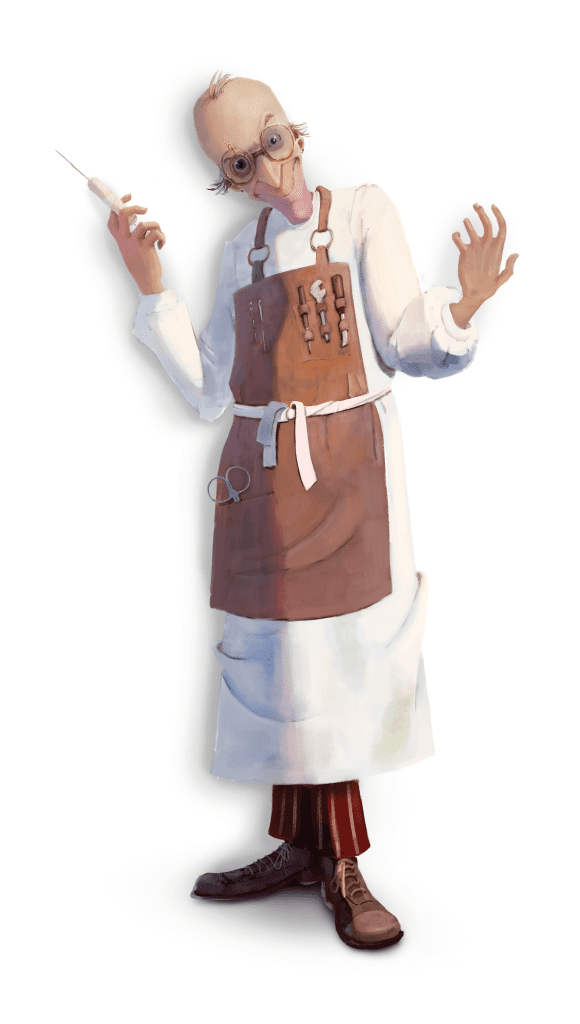
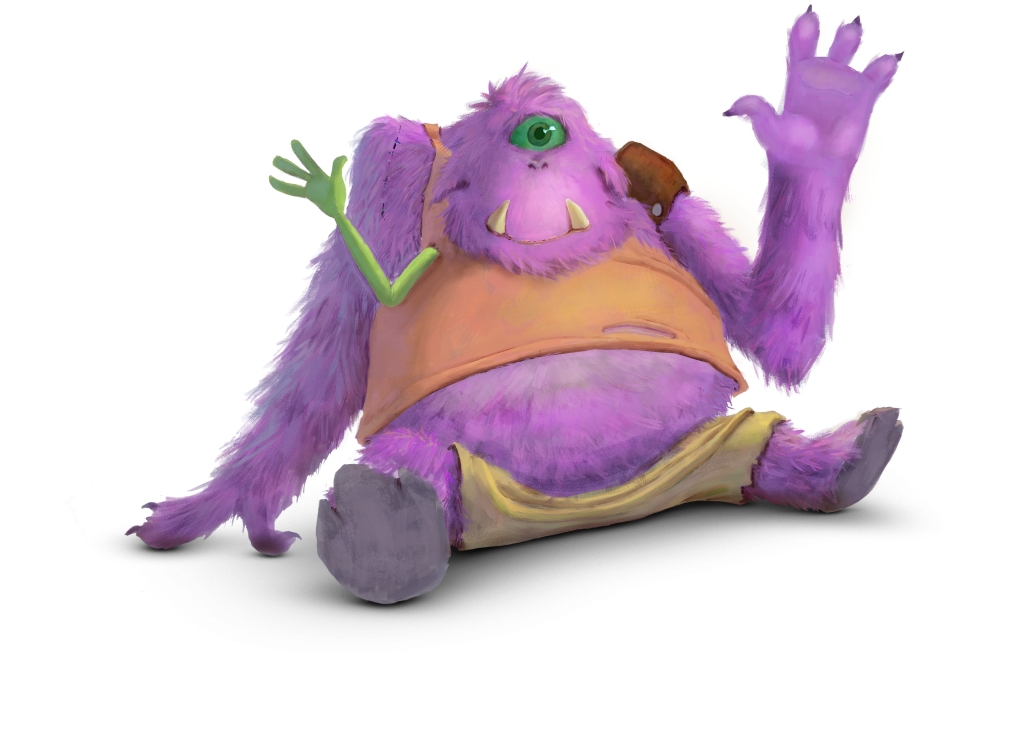
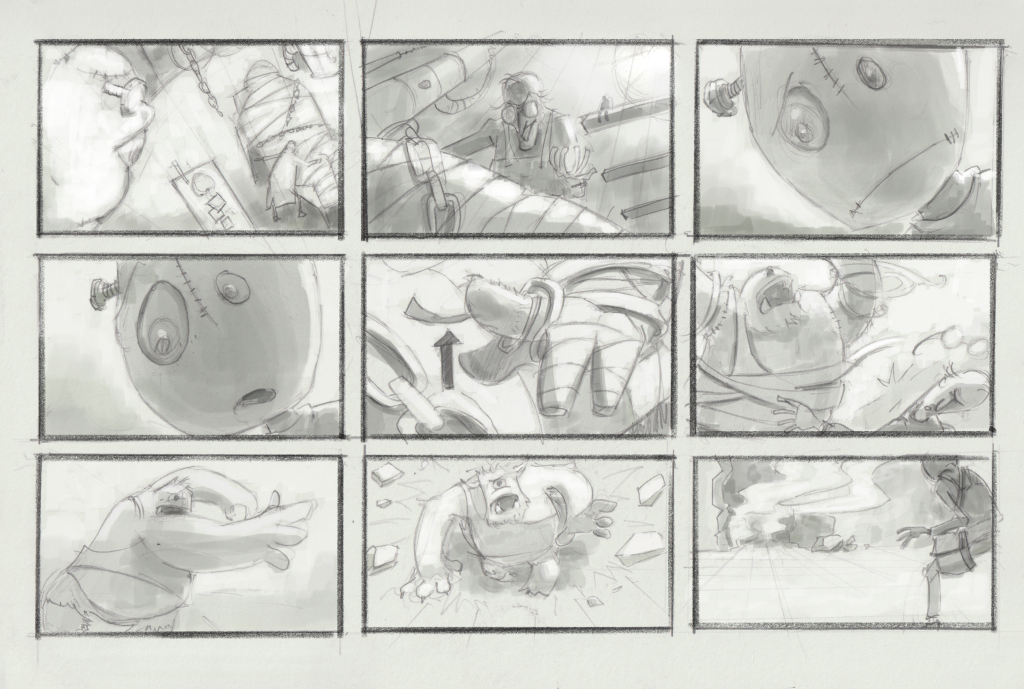
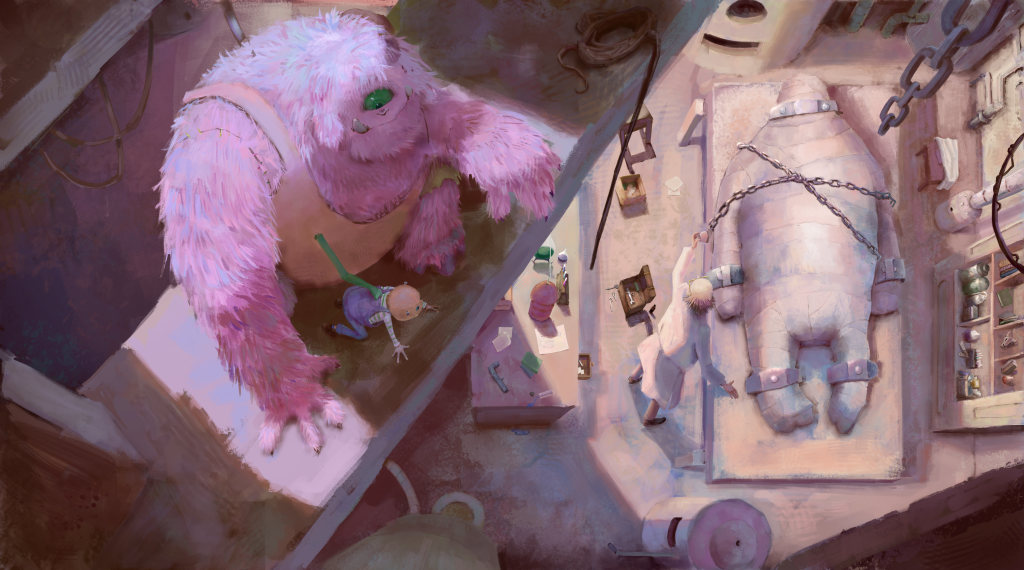
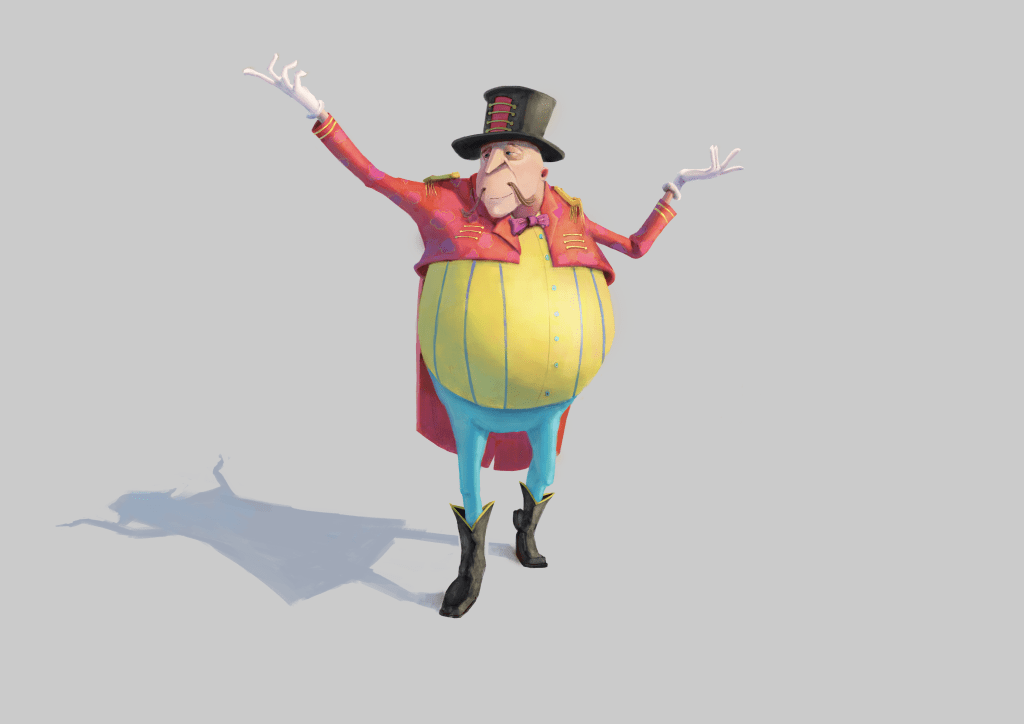
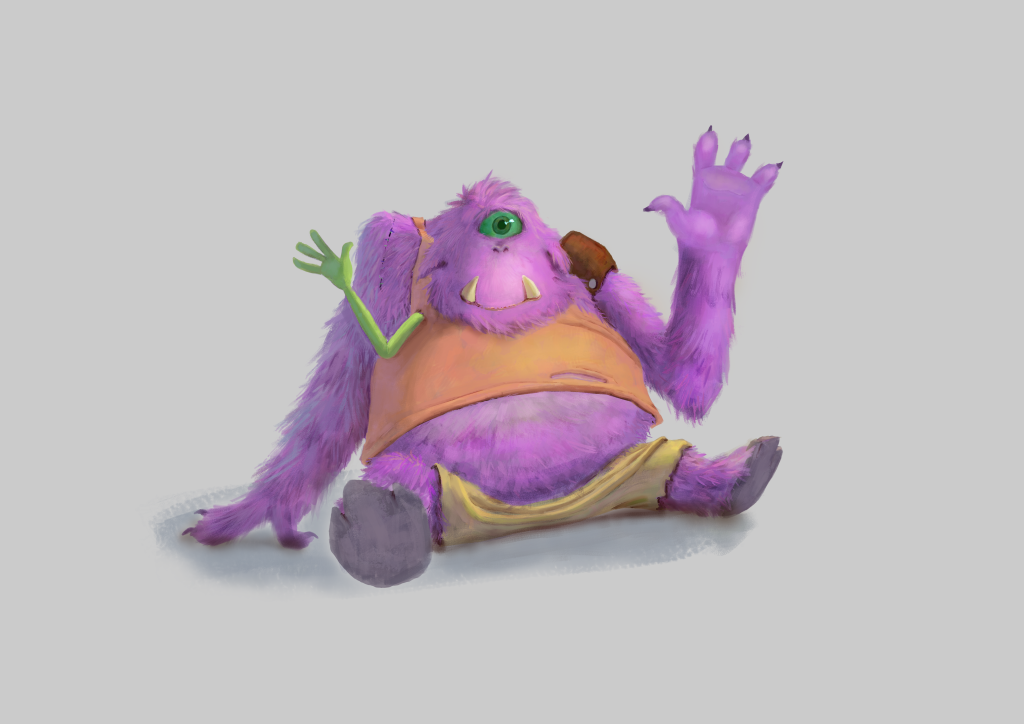
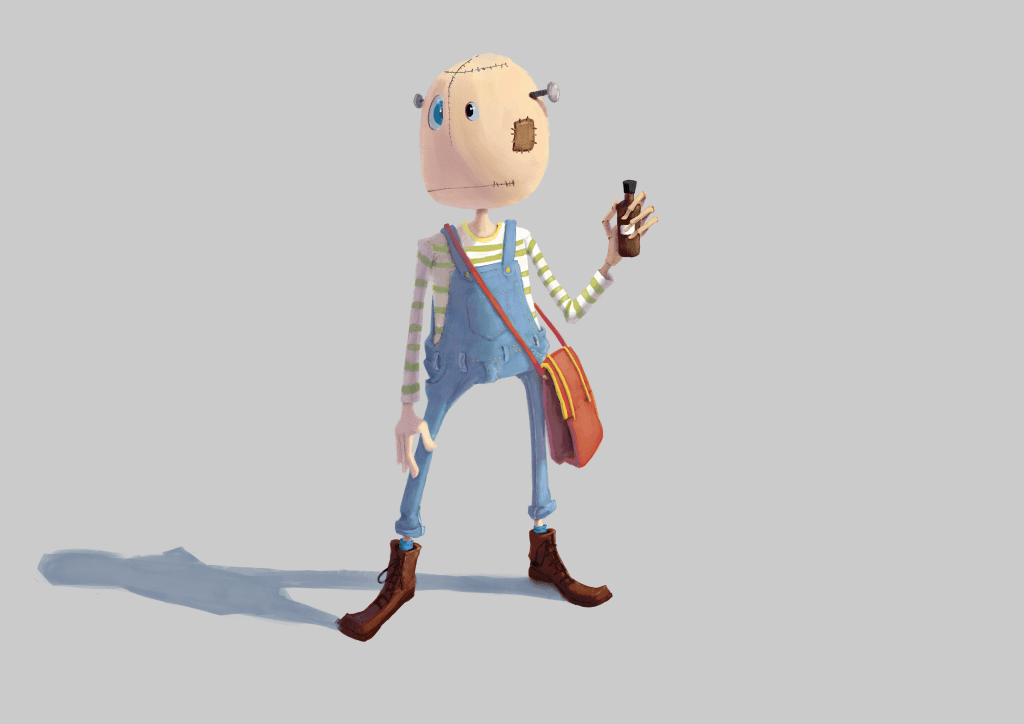
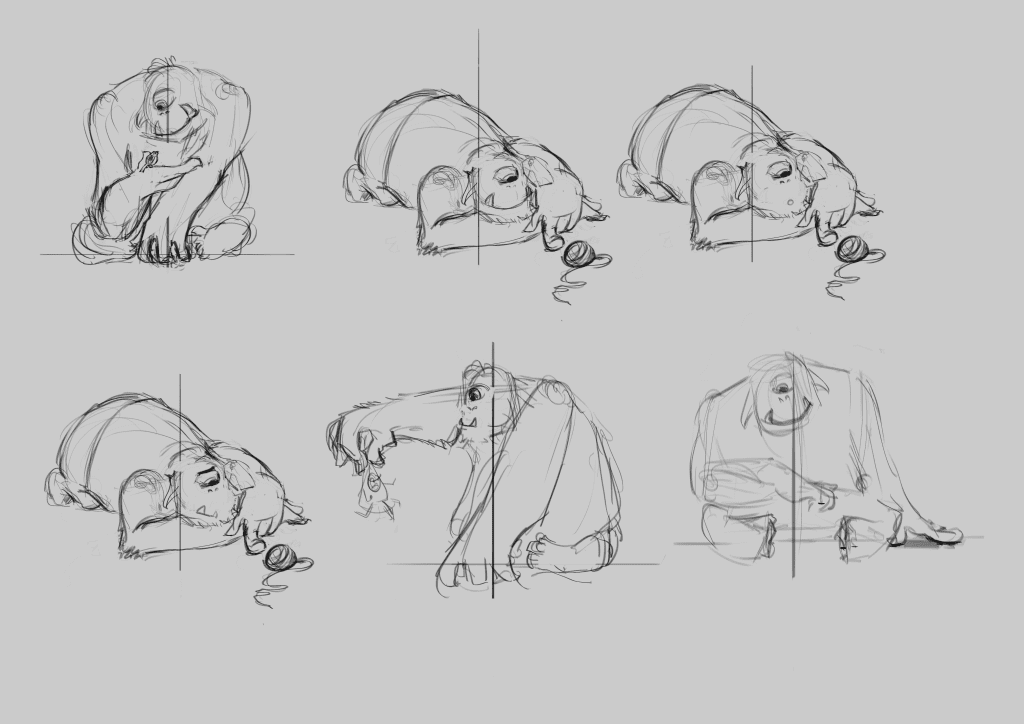
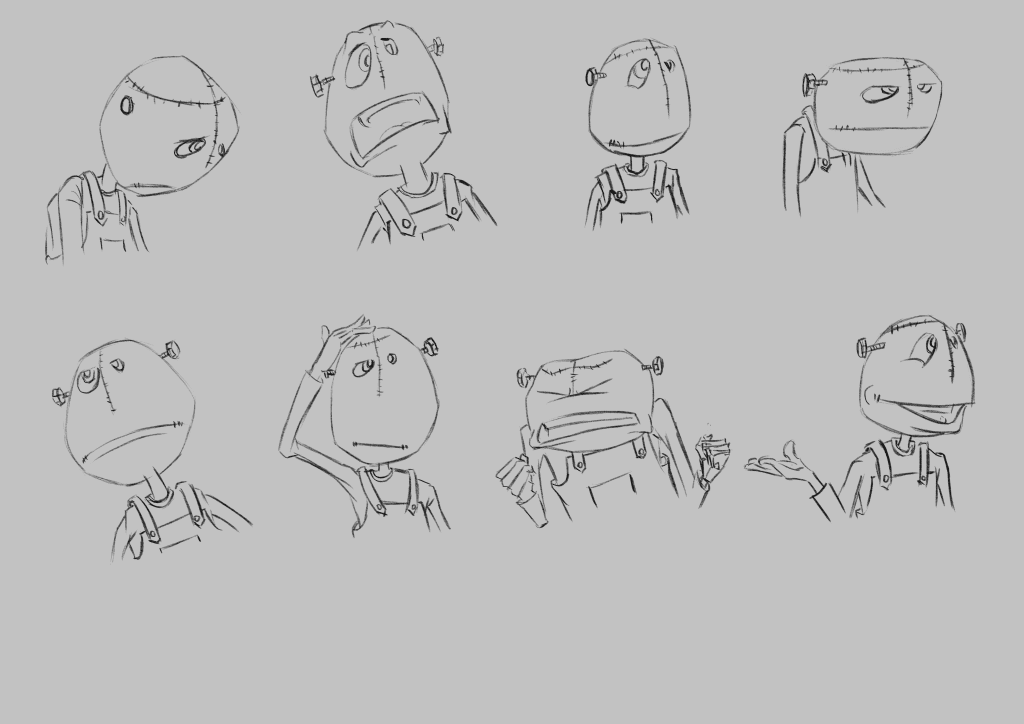
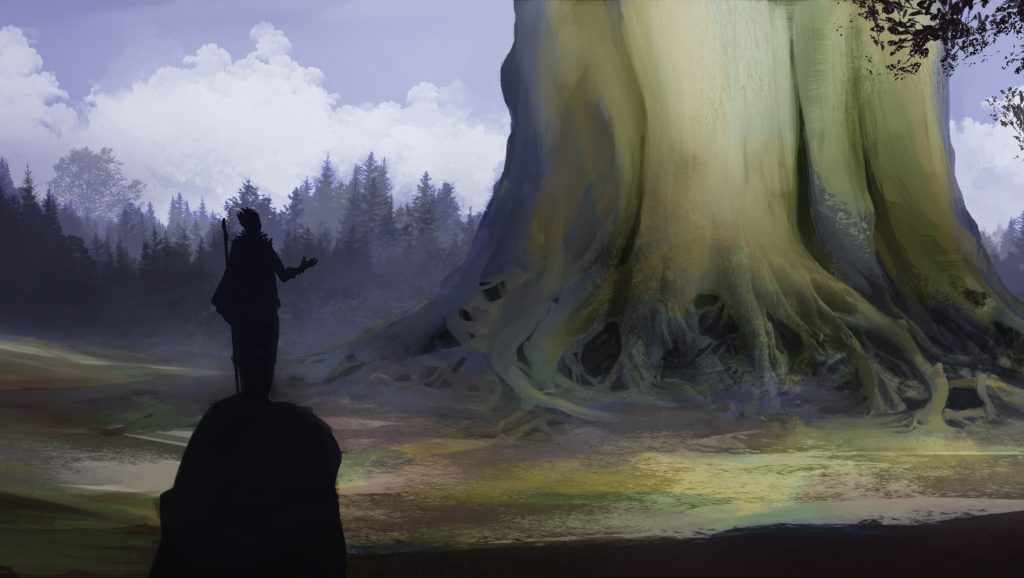
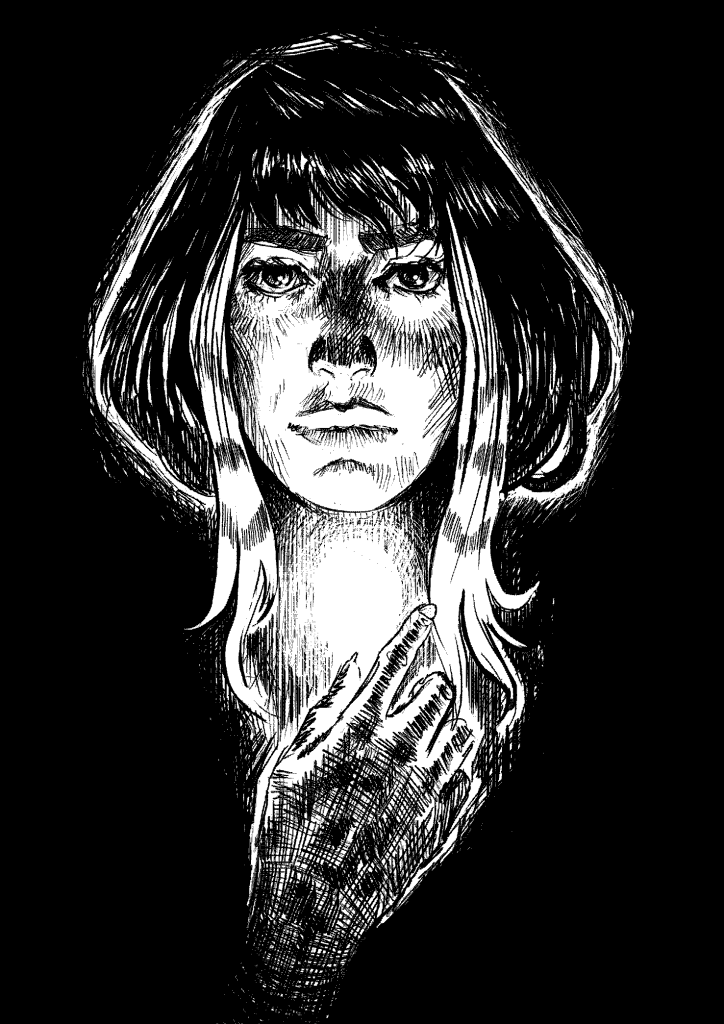
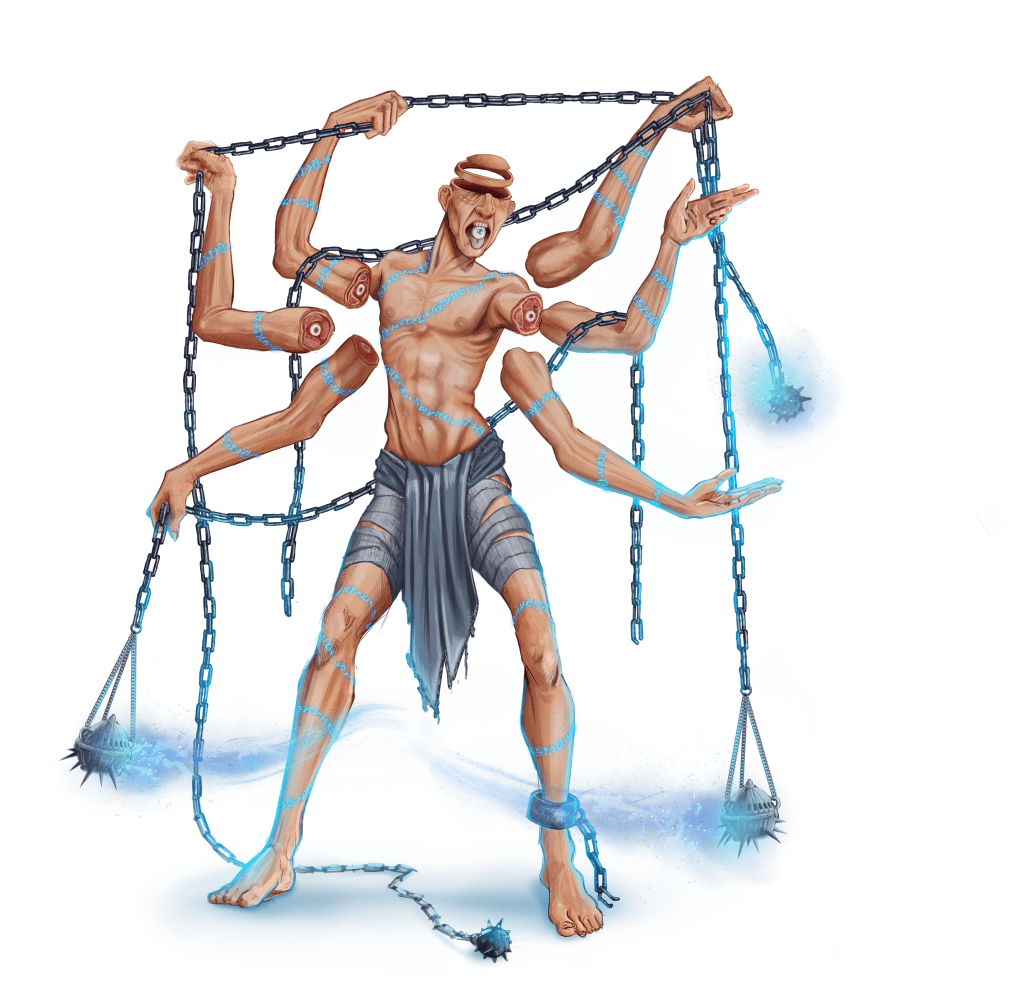
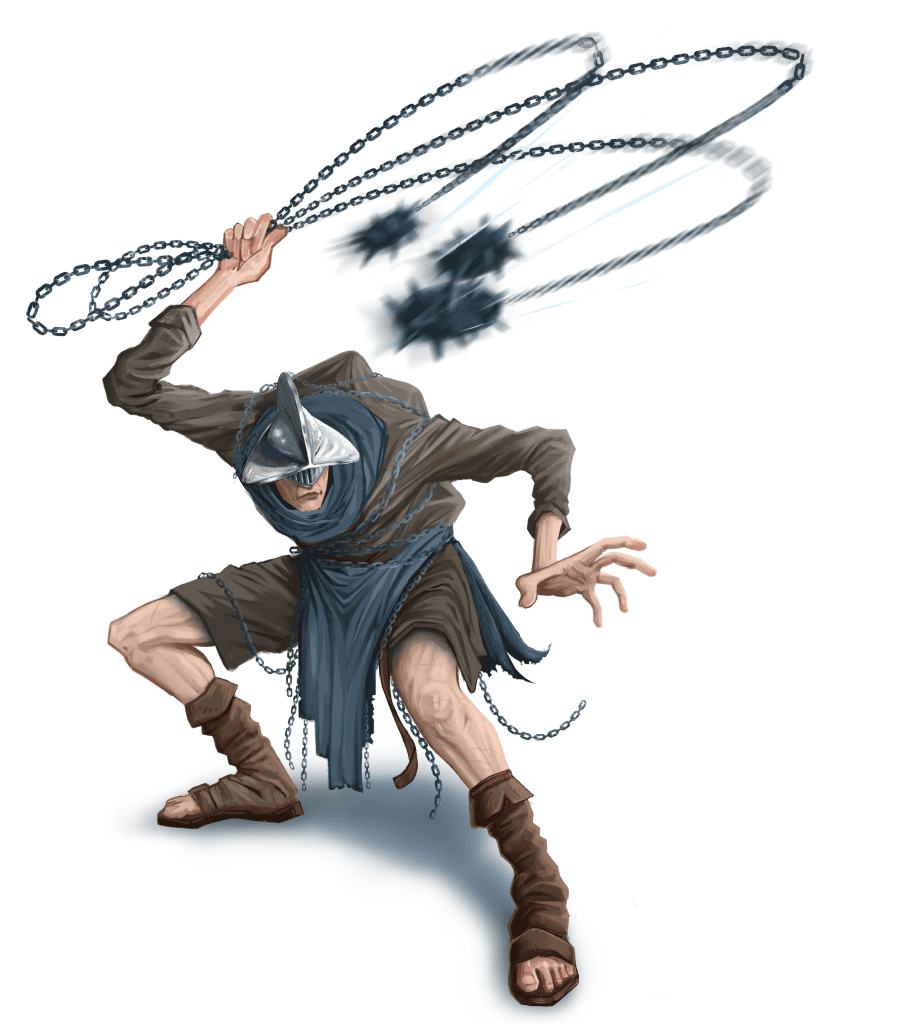
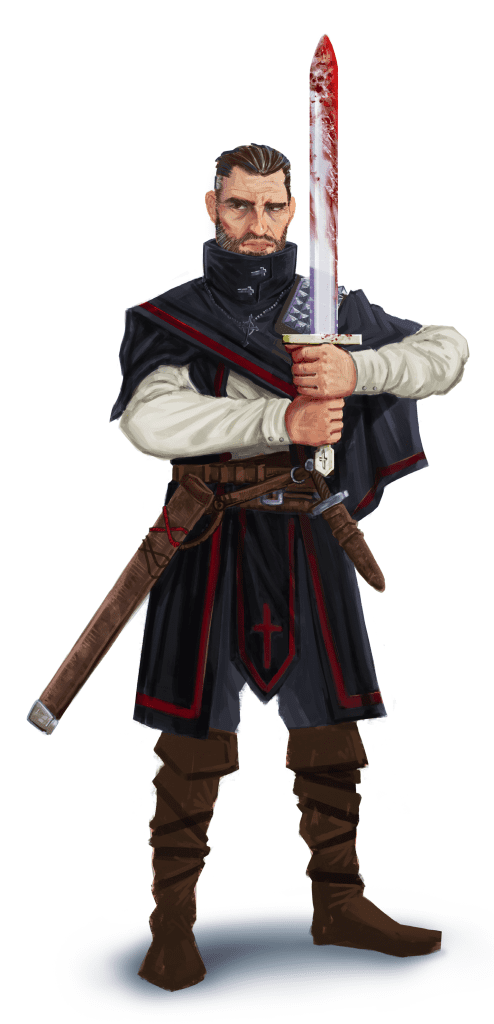
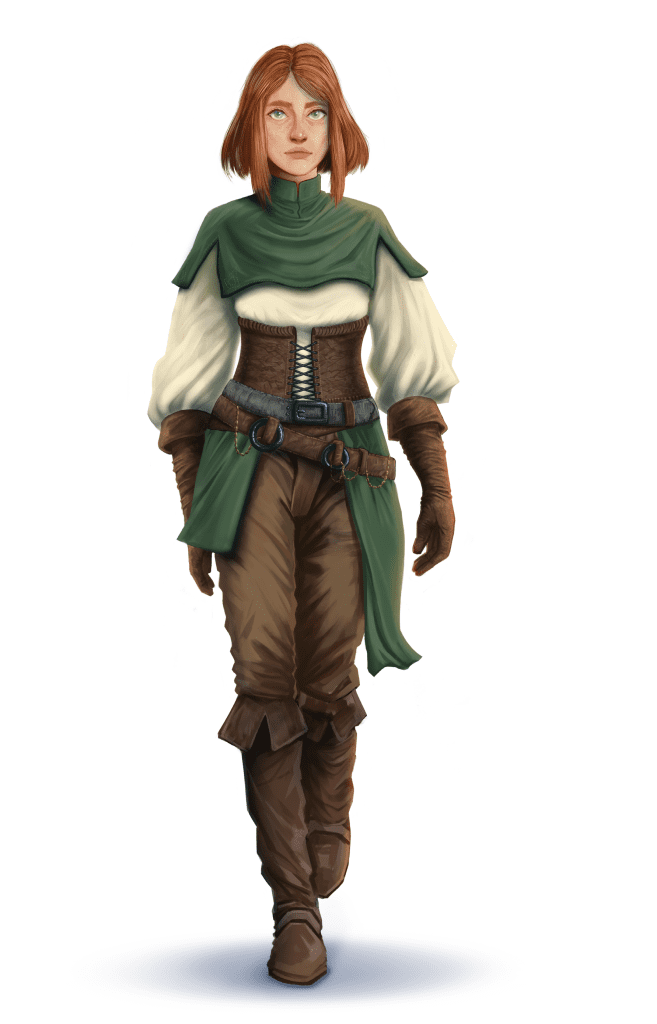
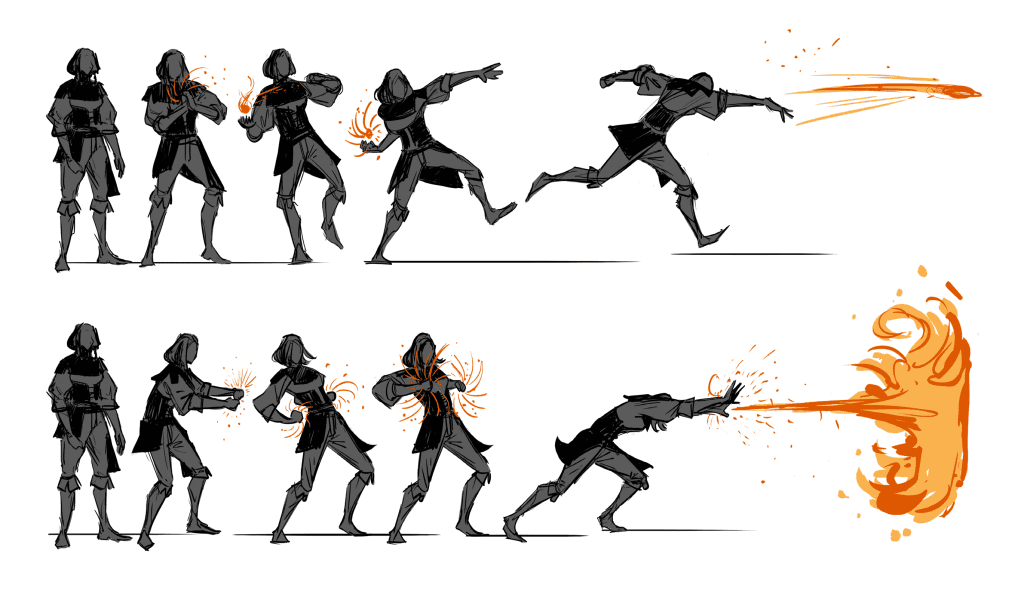
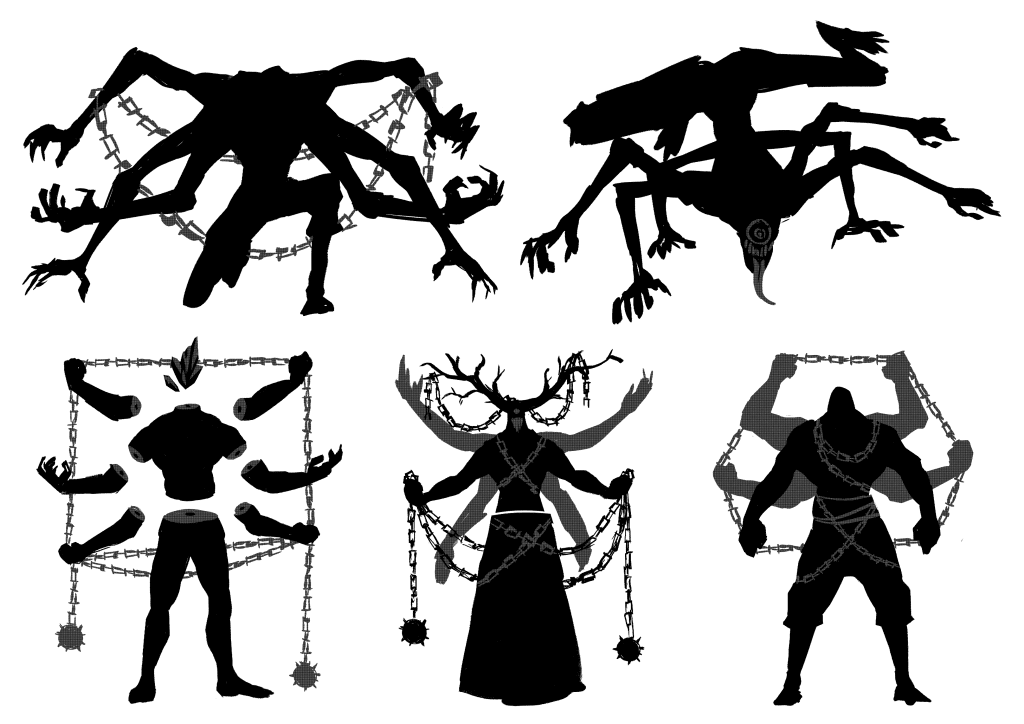
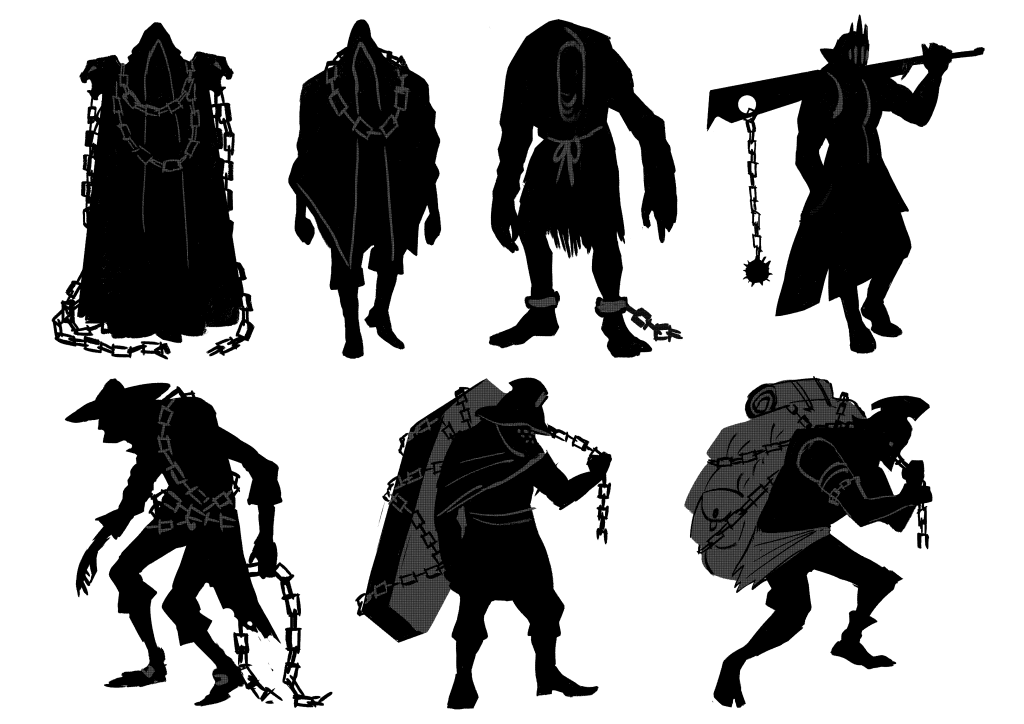
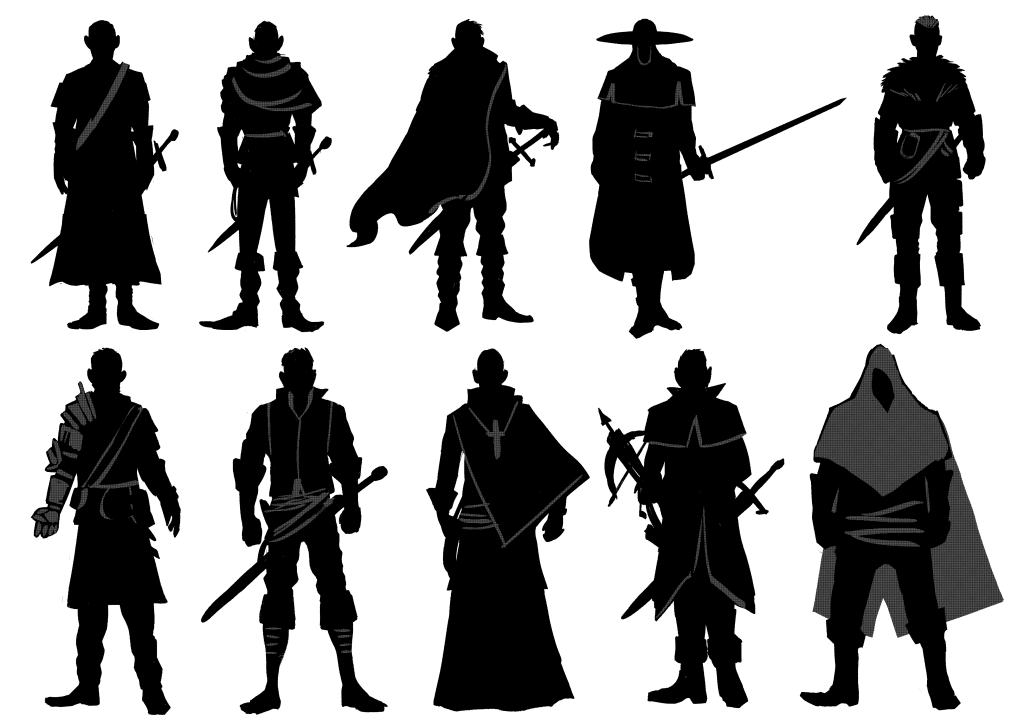
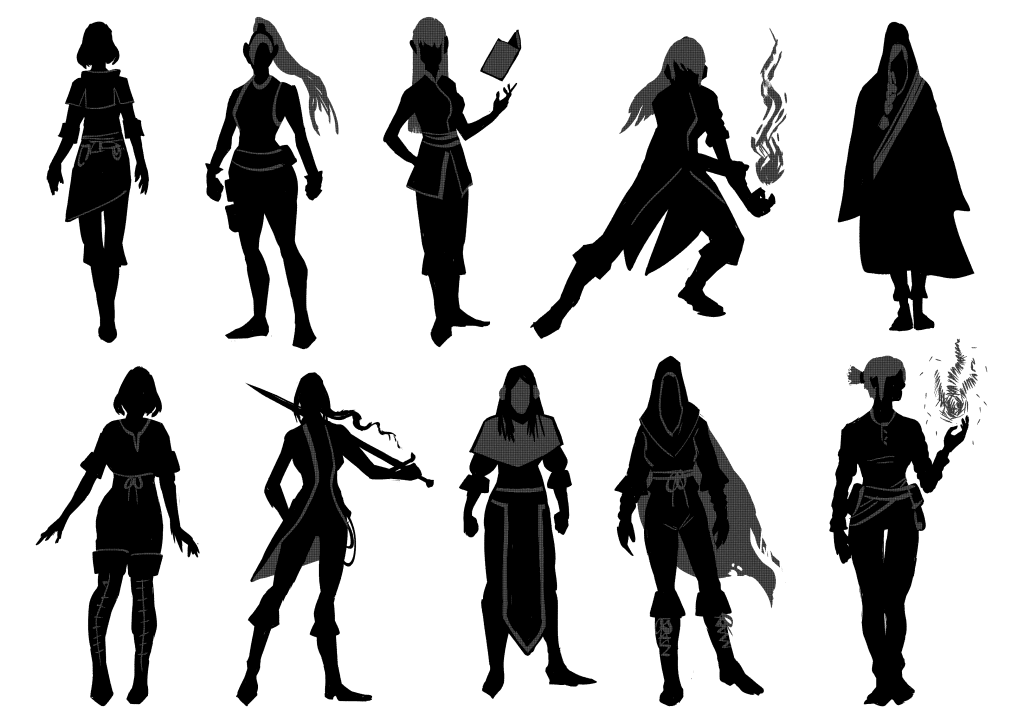
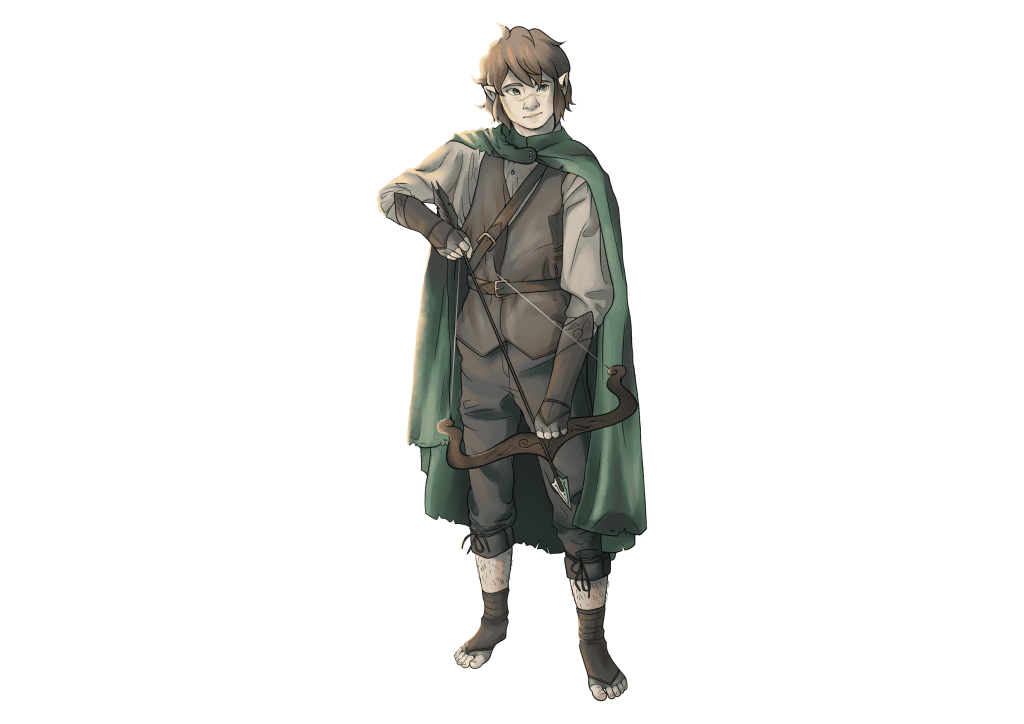
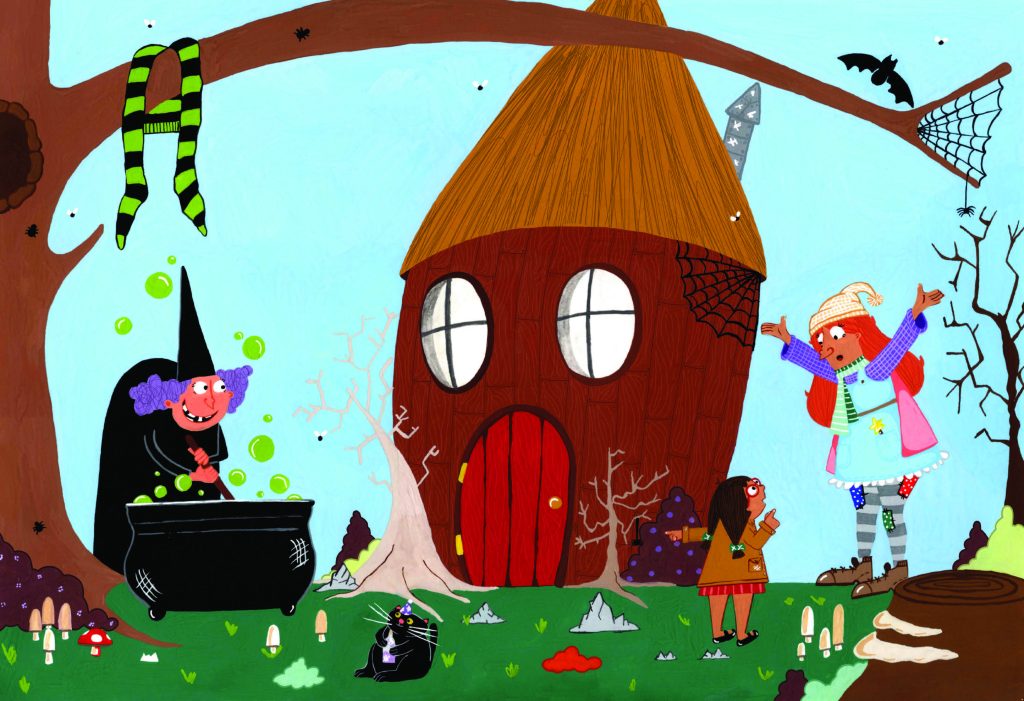
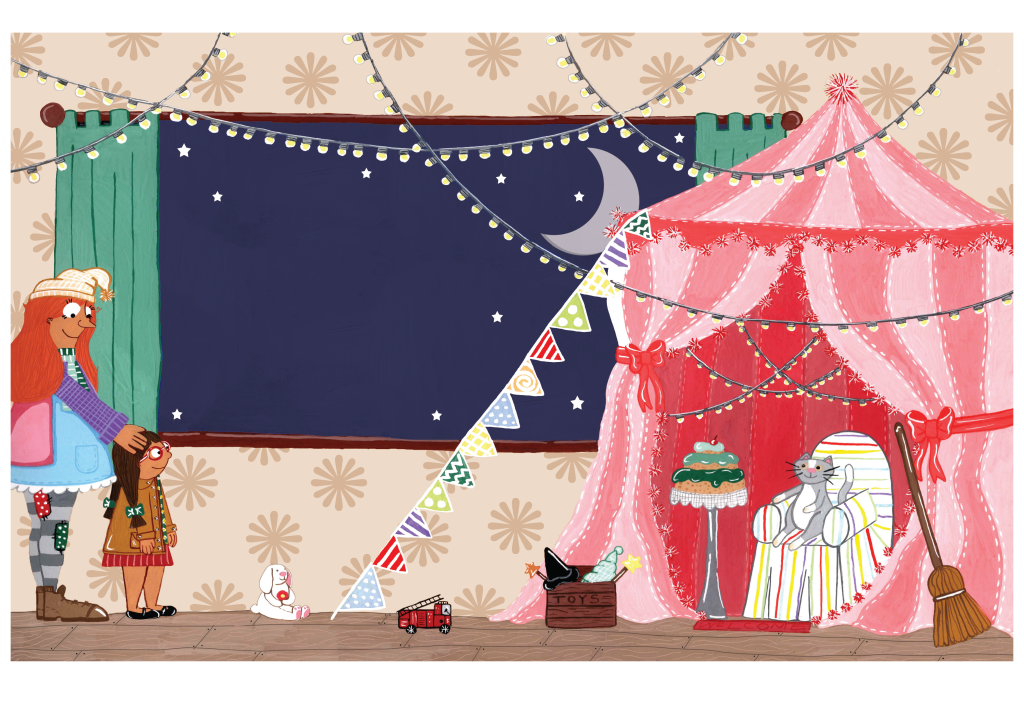
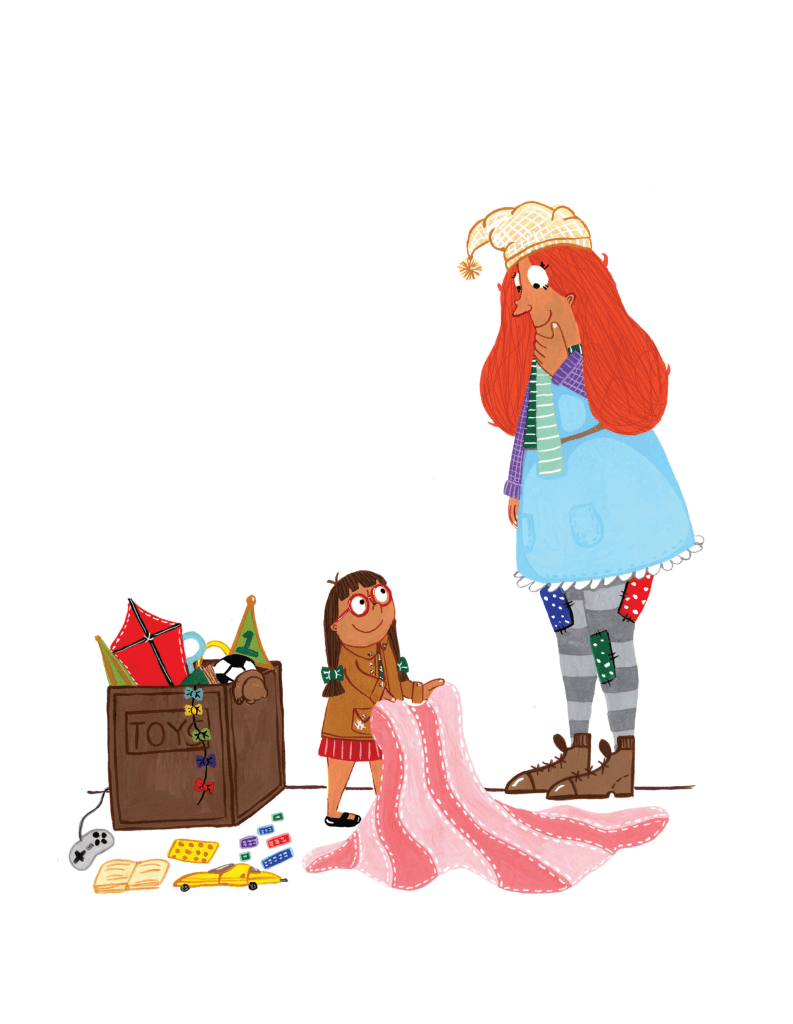
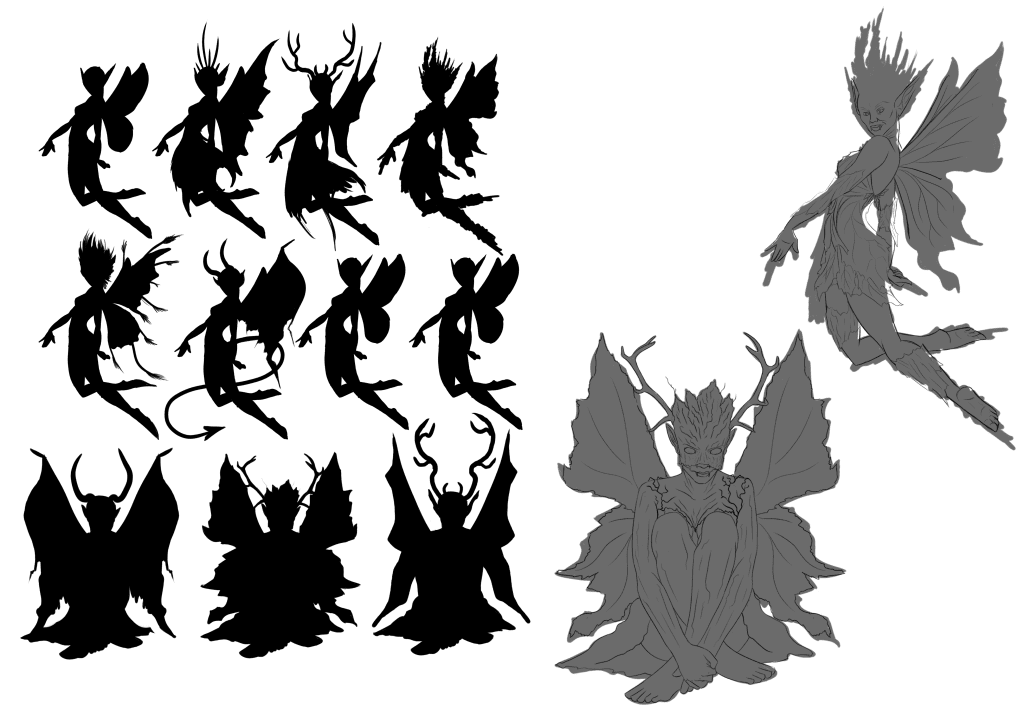
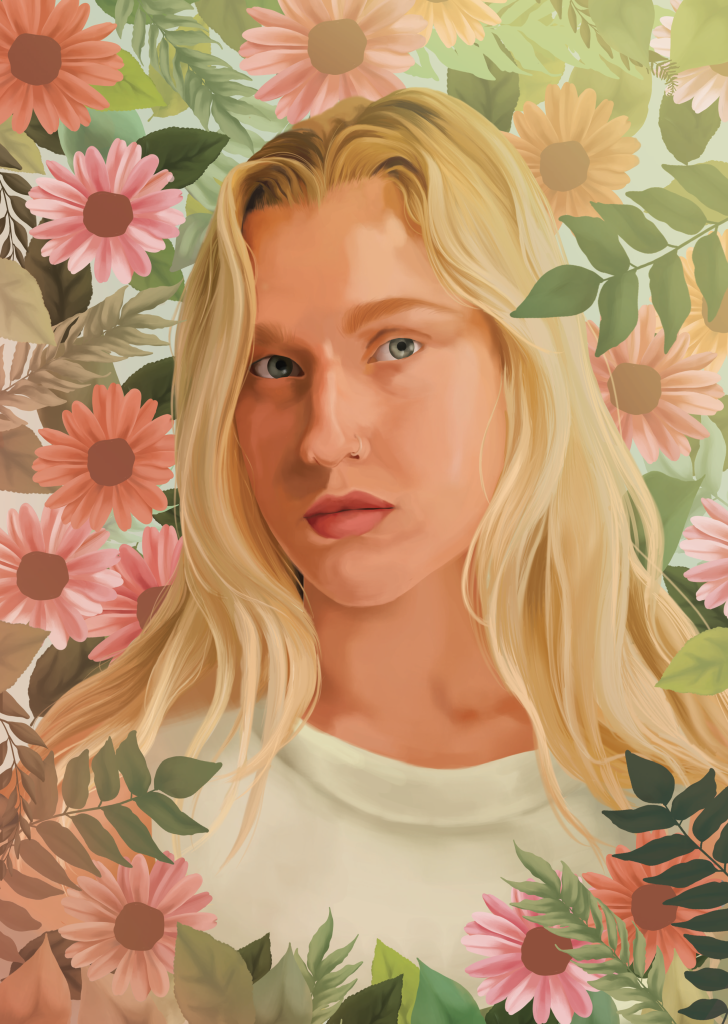
Student Work
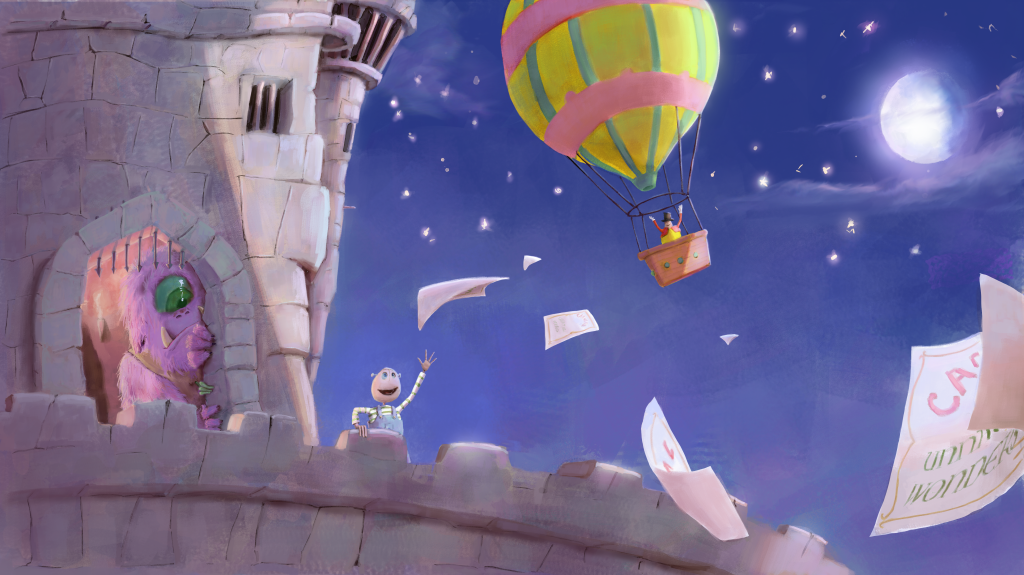
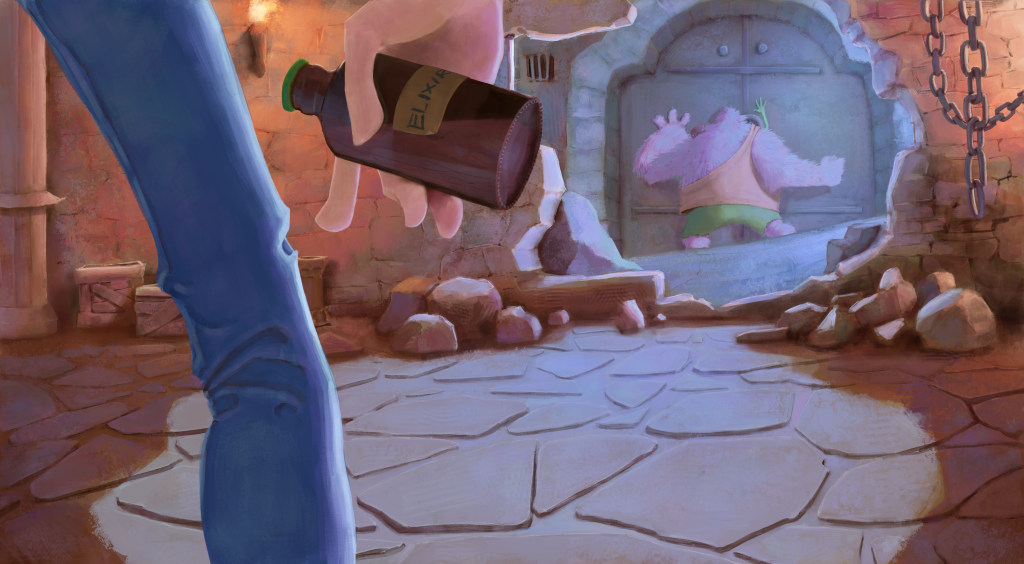
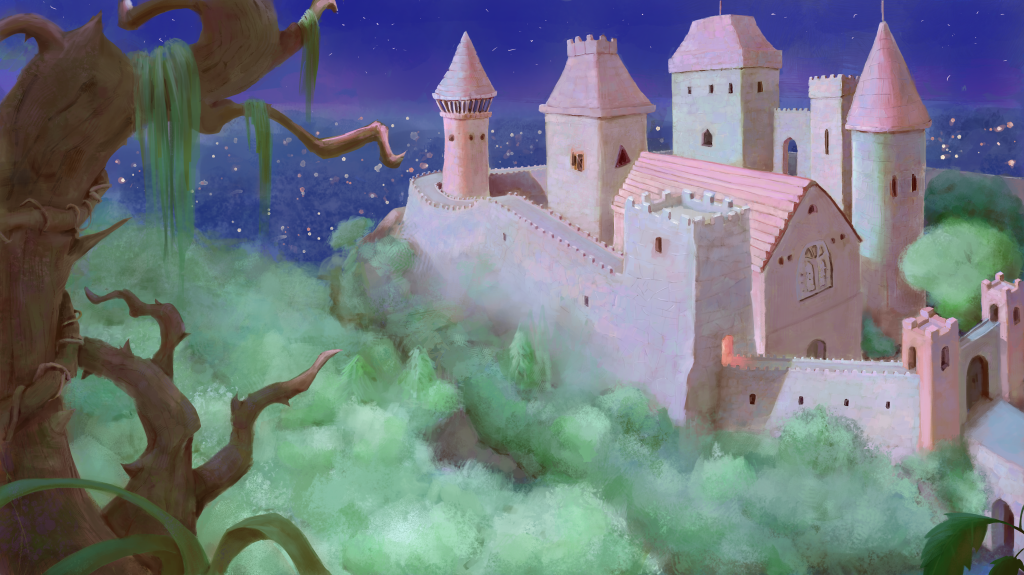
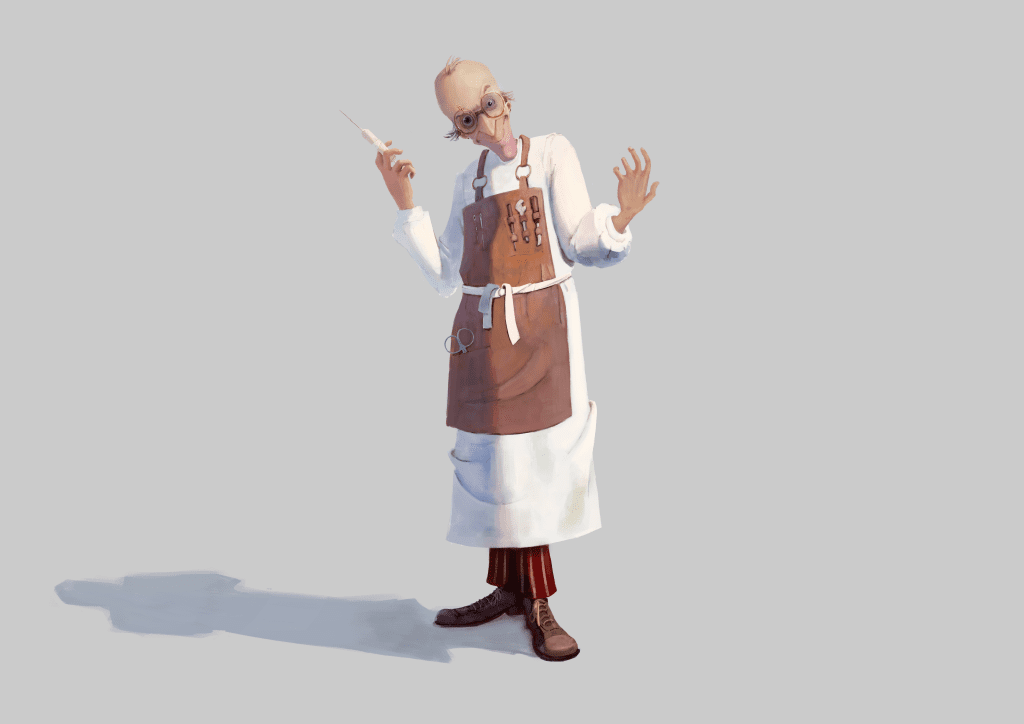
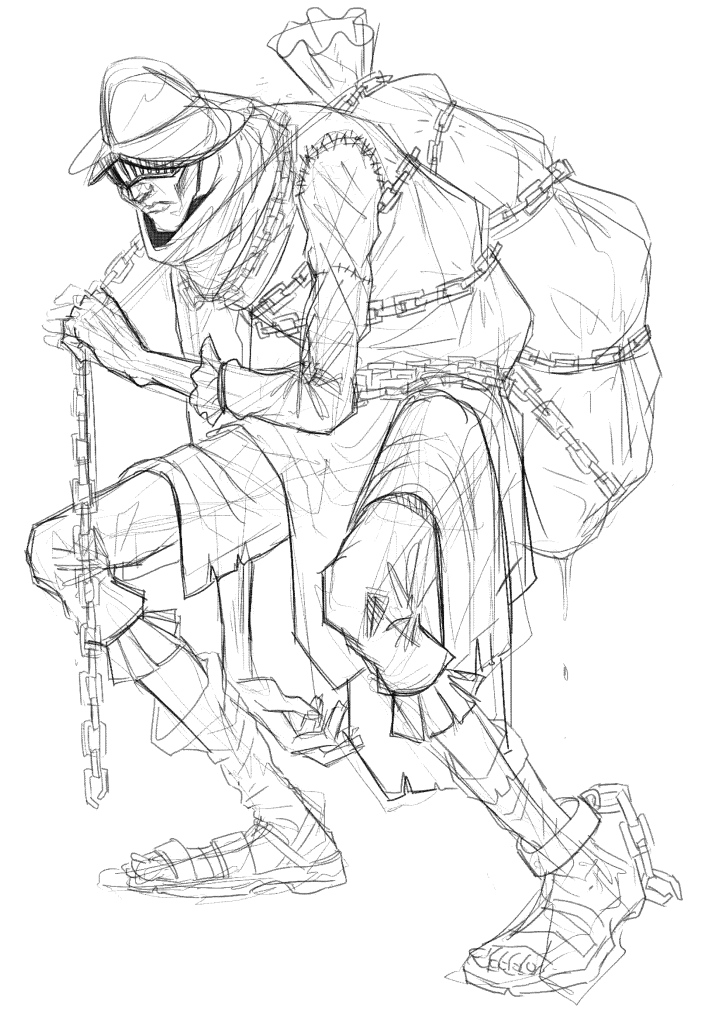
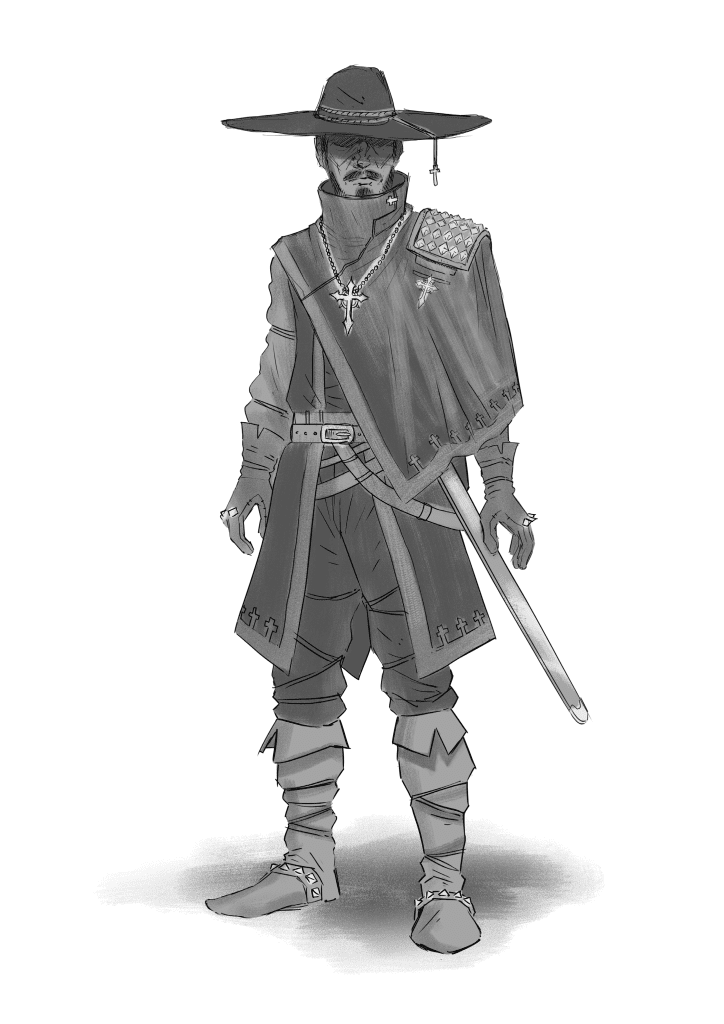
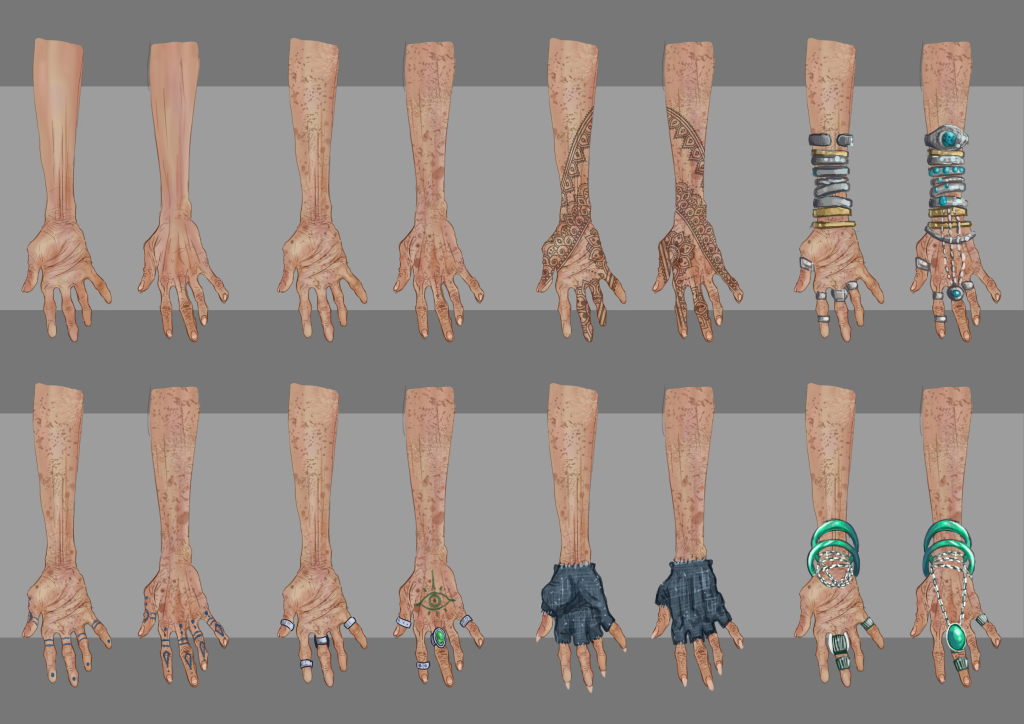
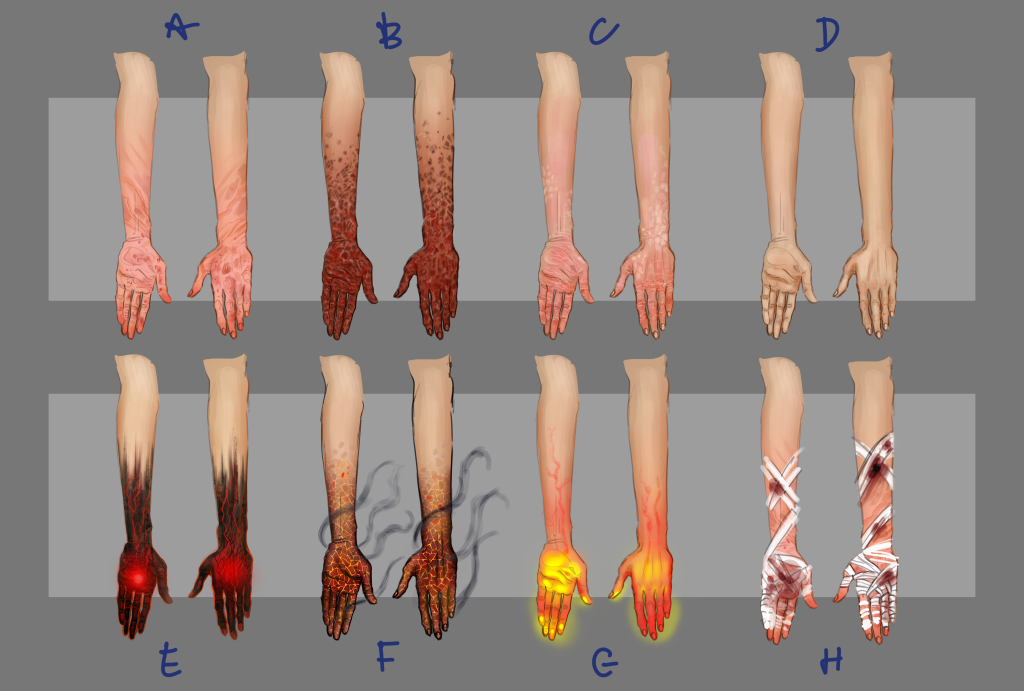
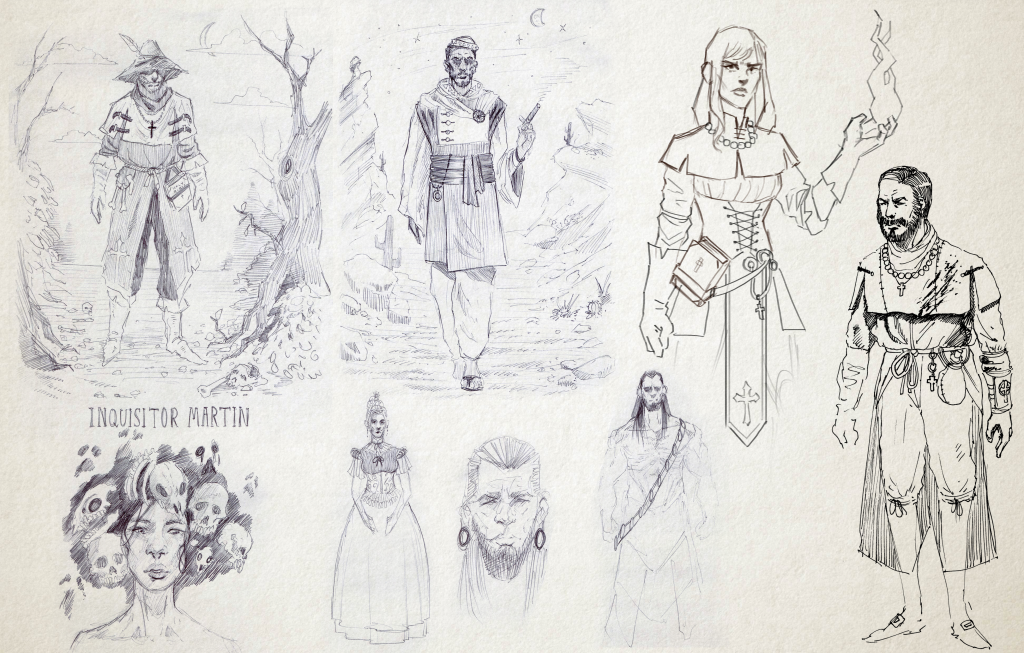
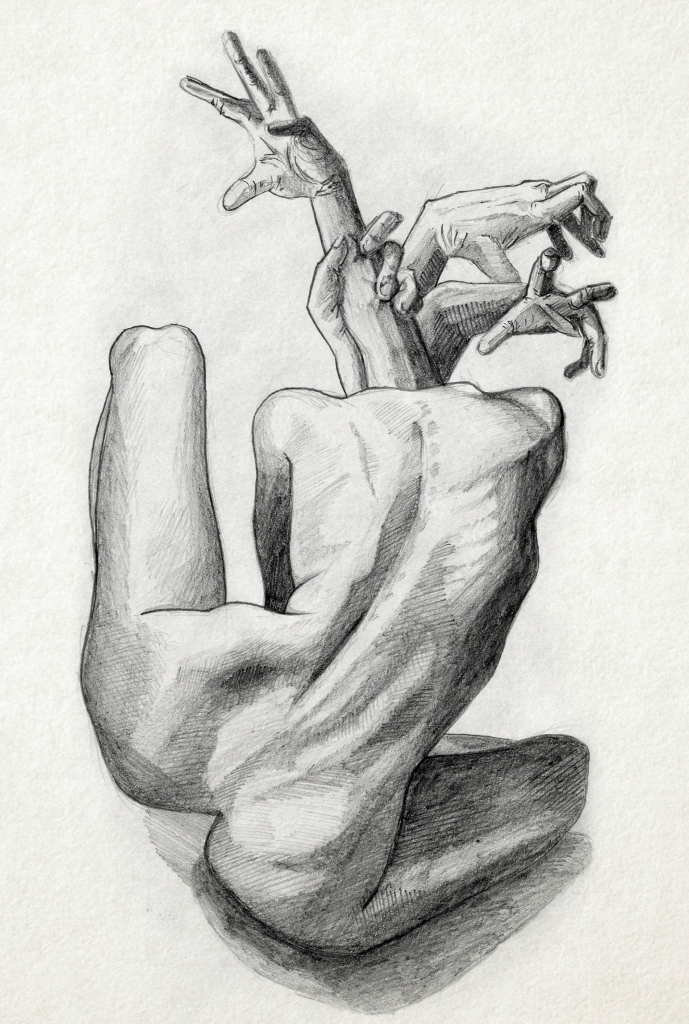
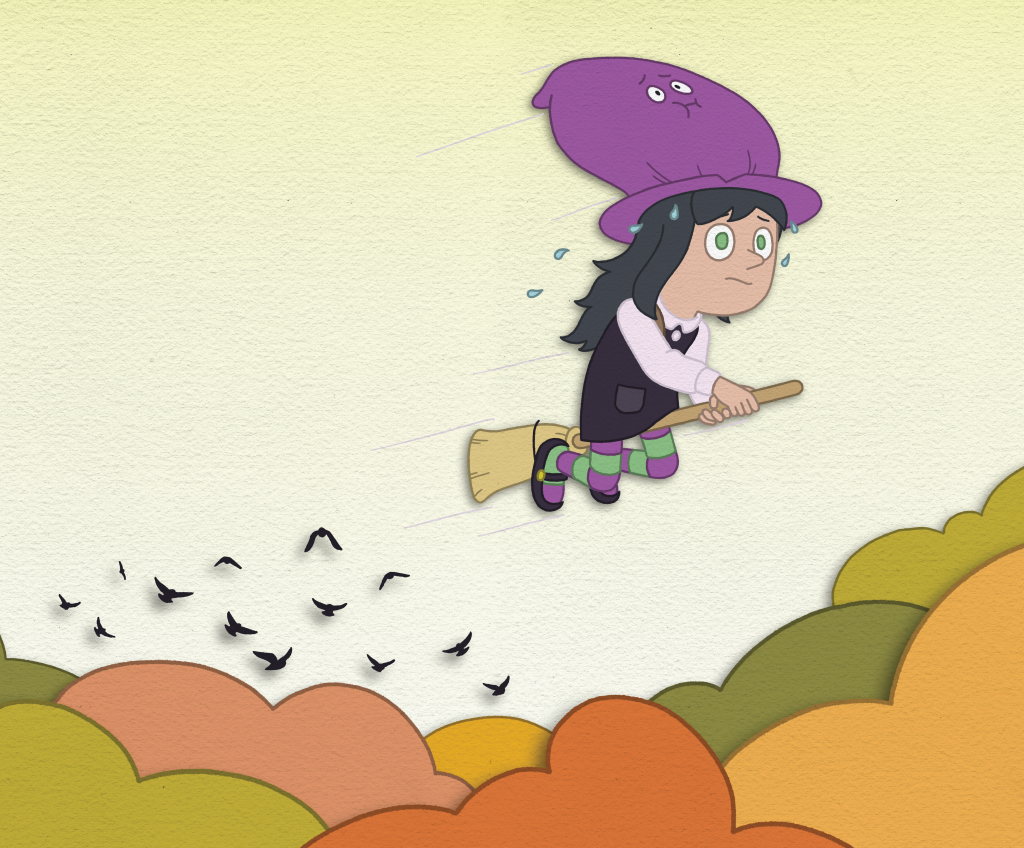
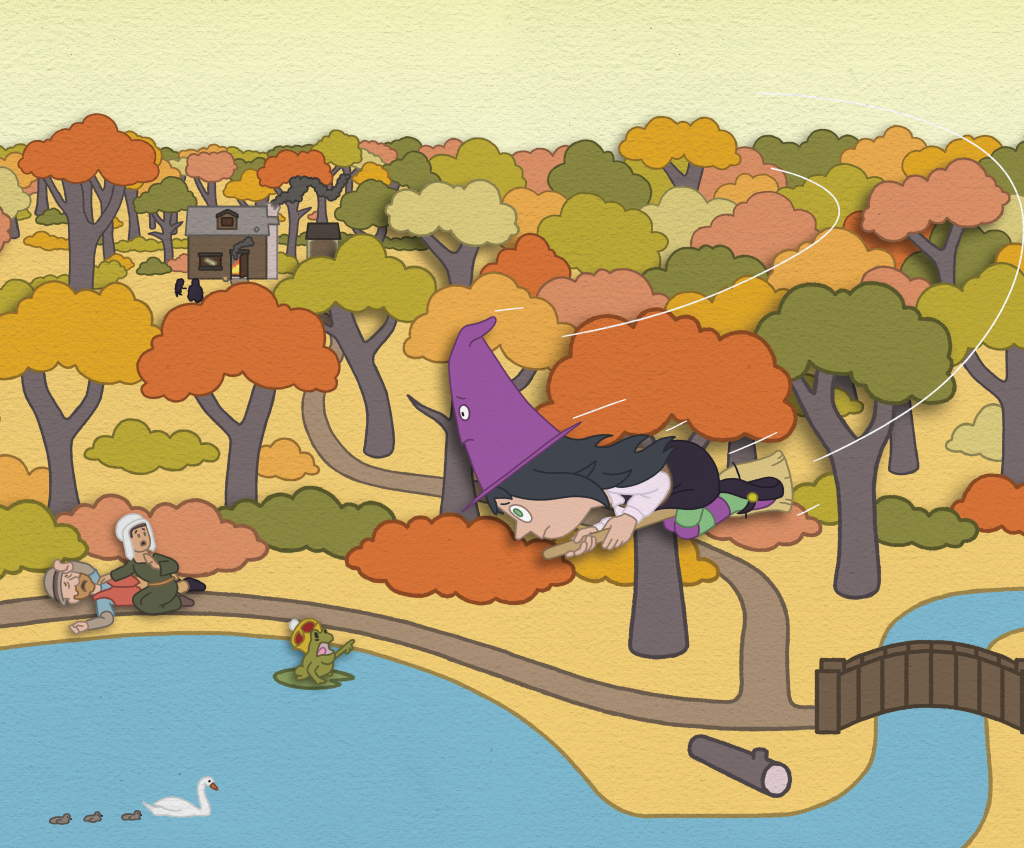
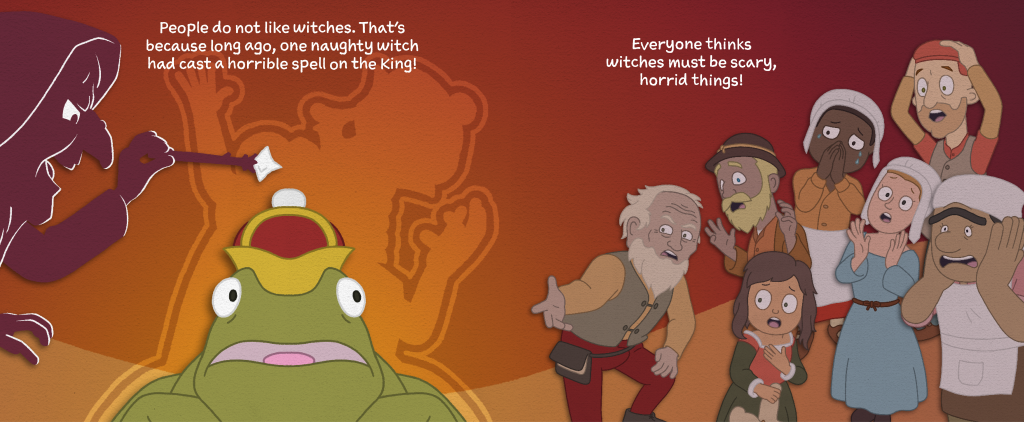
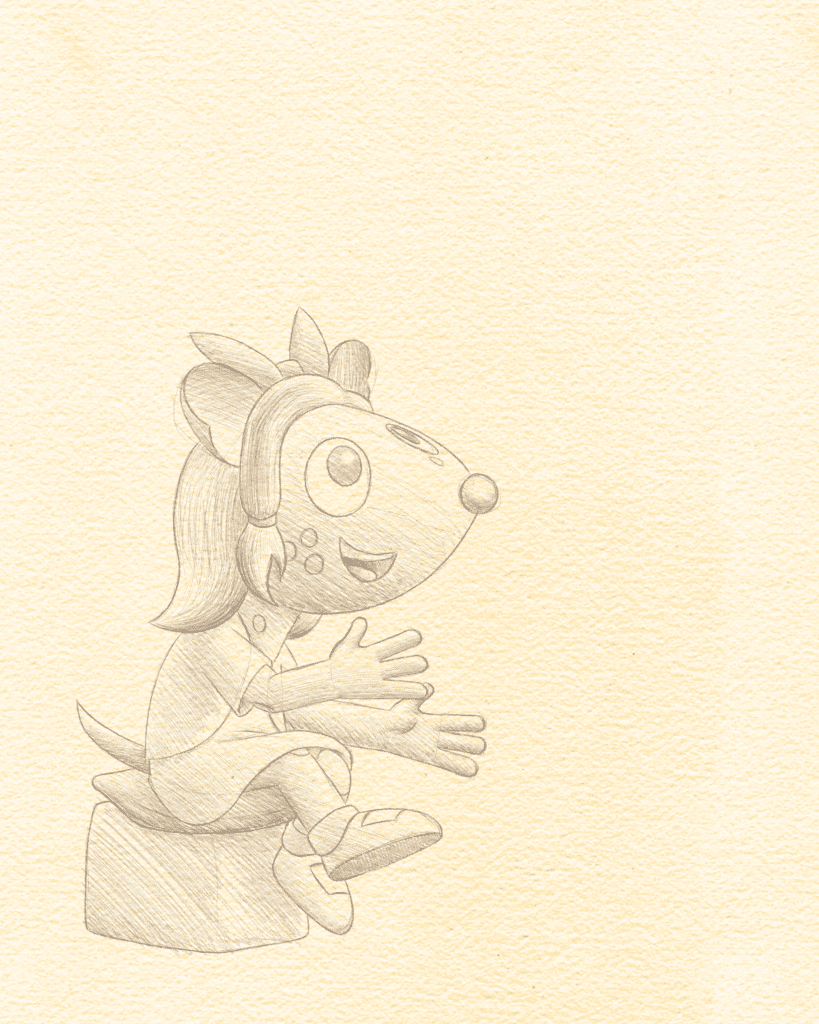
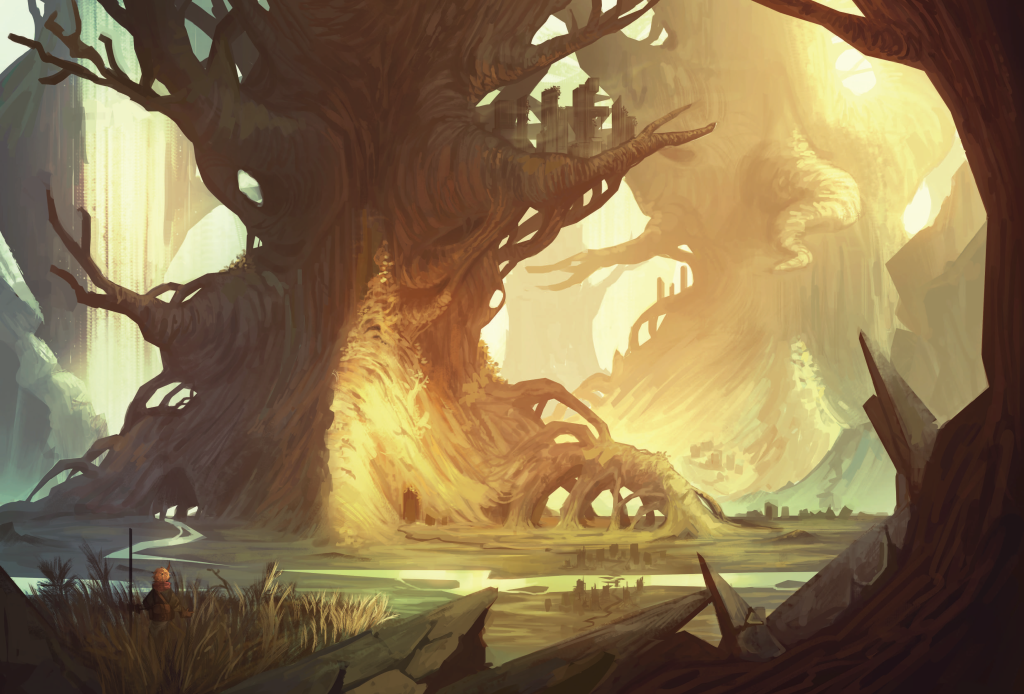
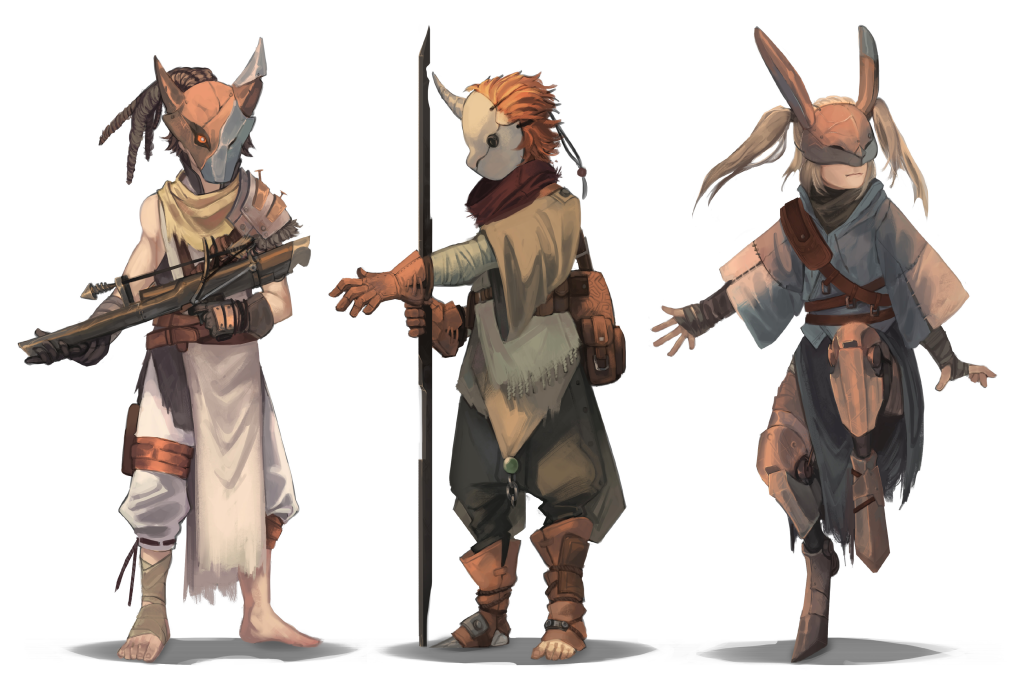
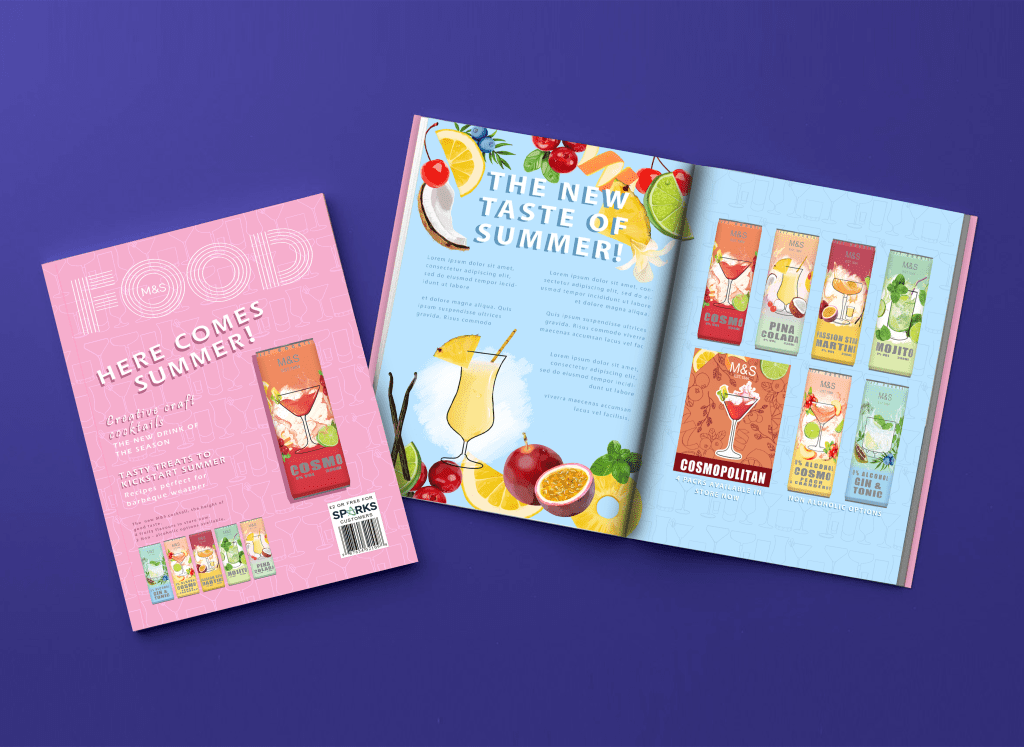
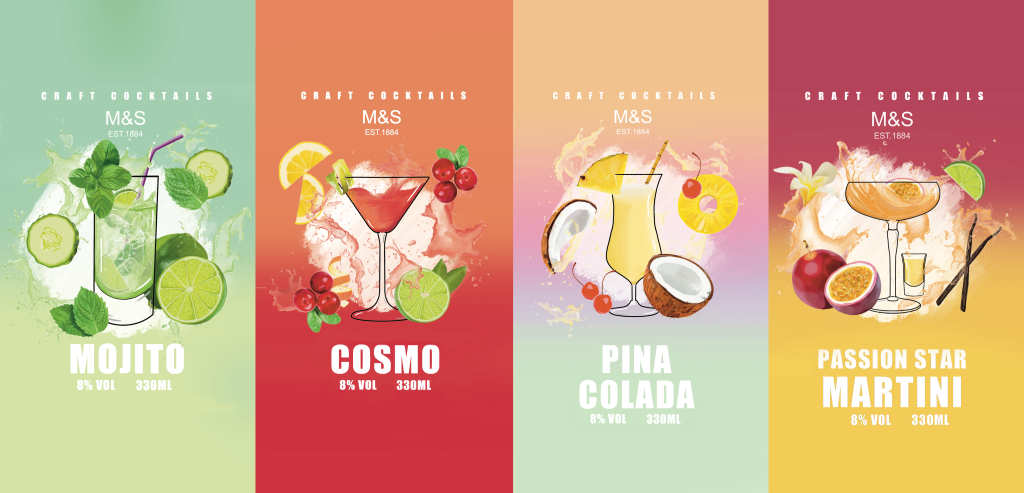

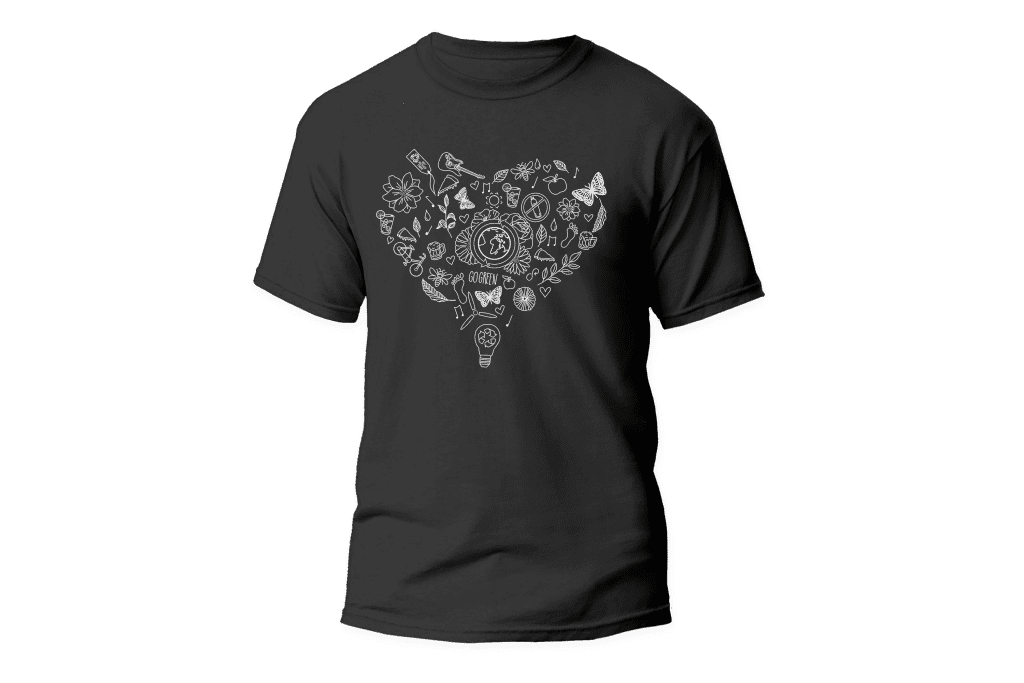
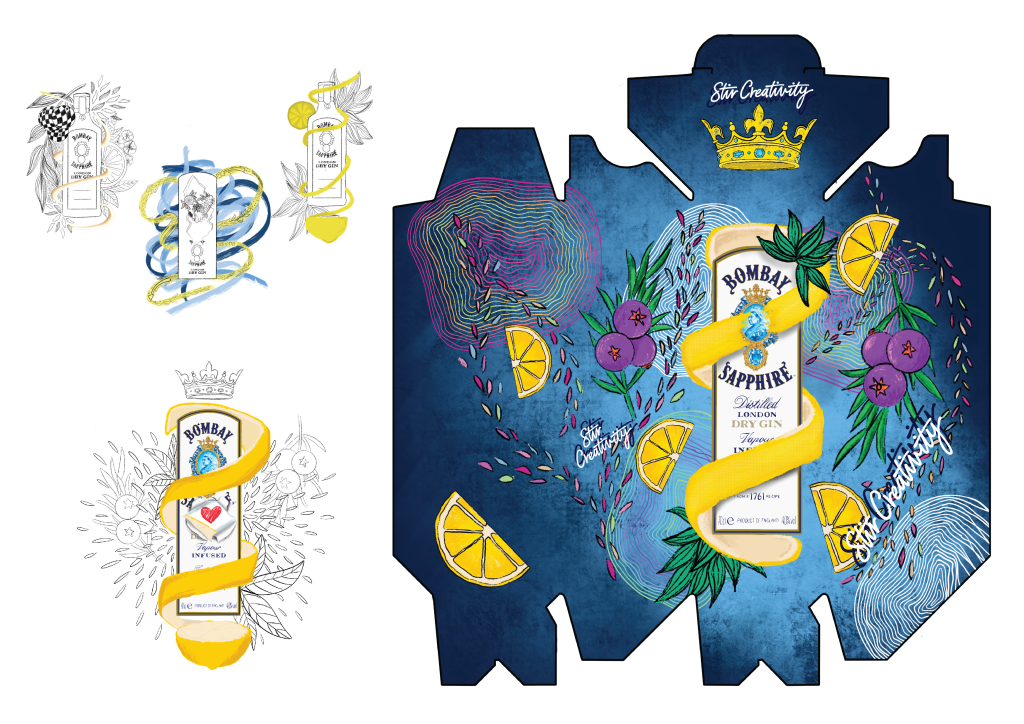
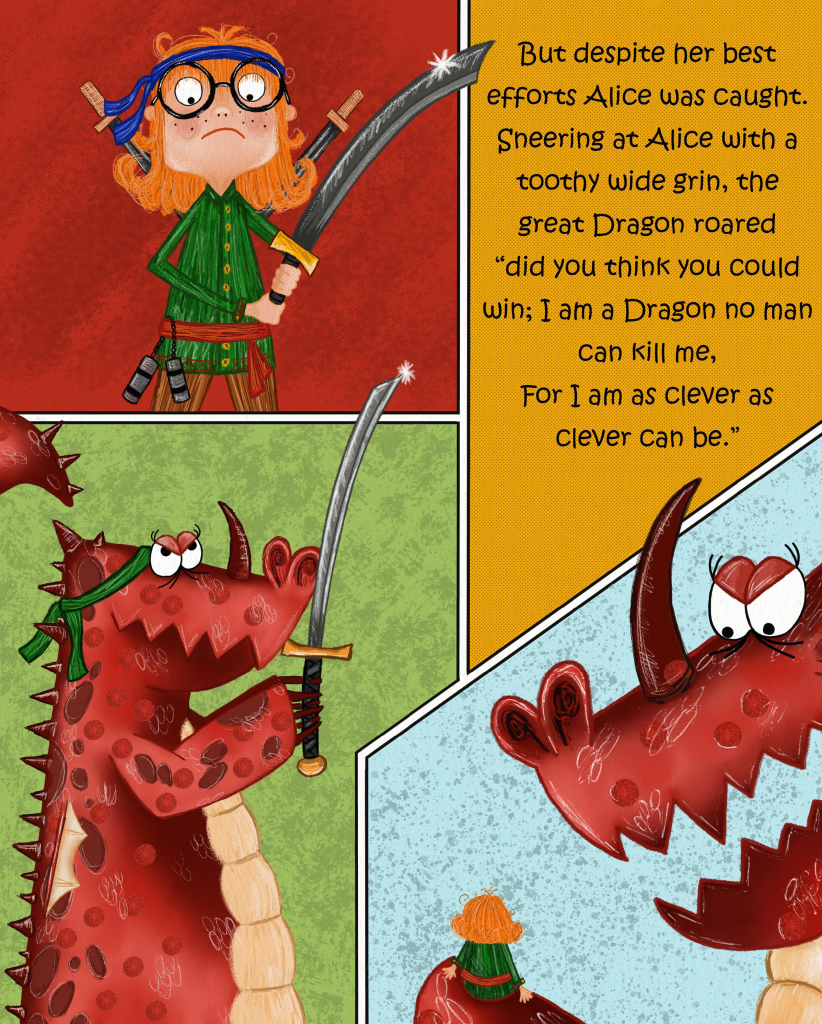
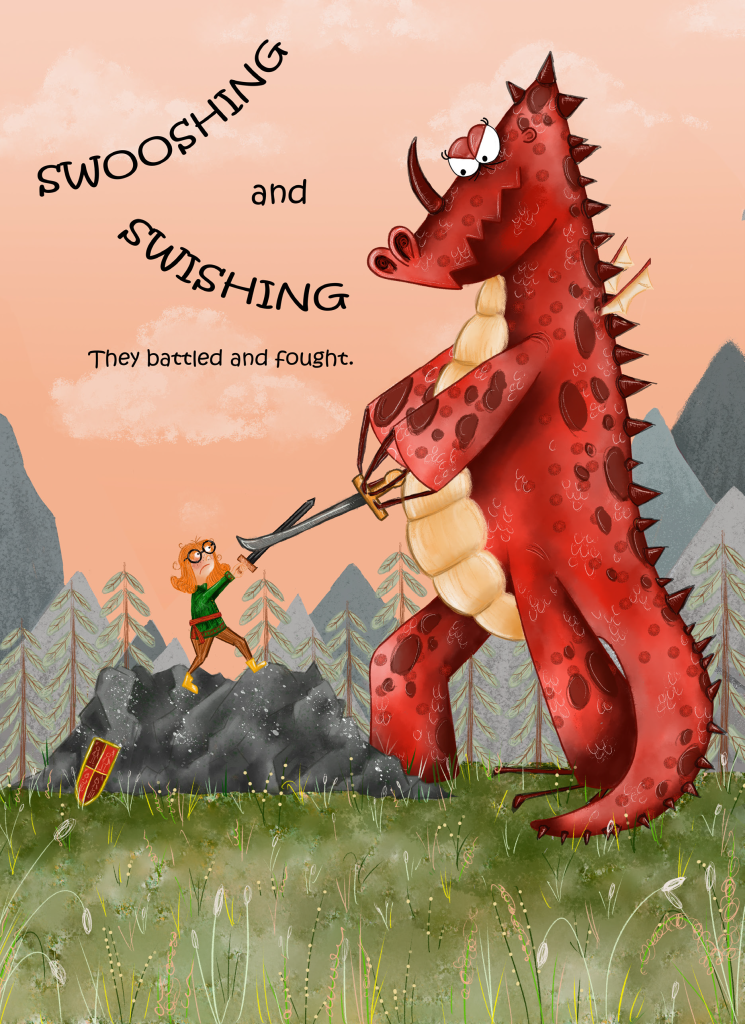
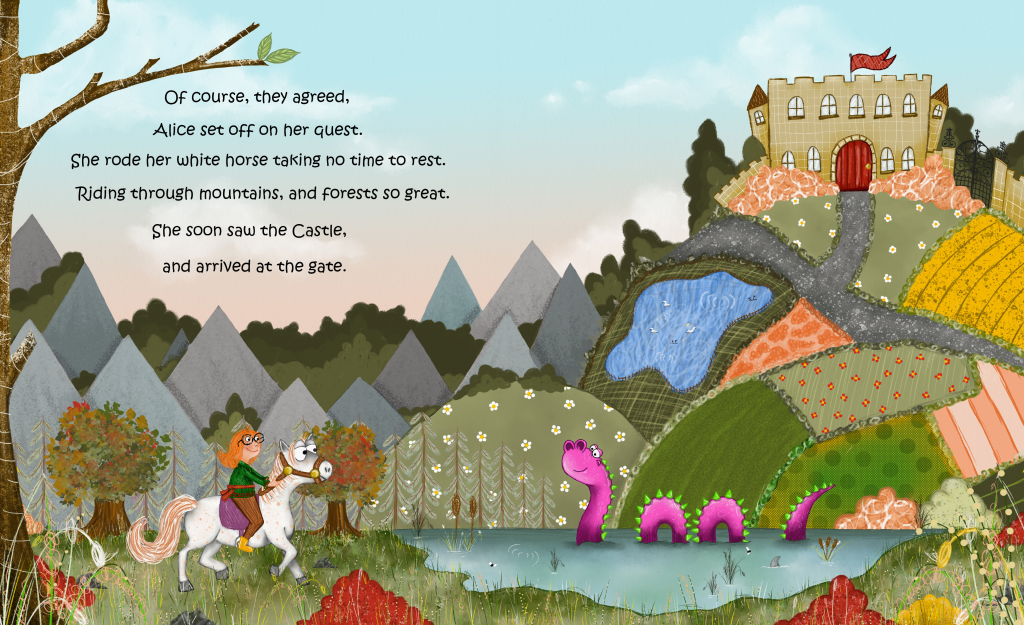
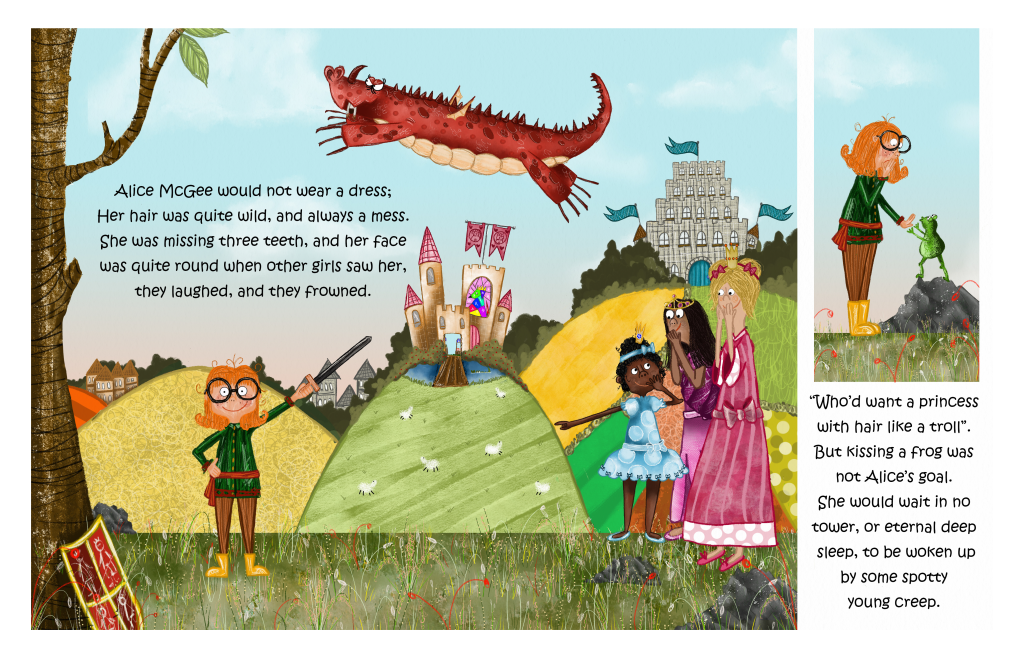
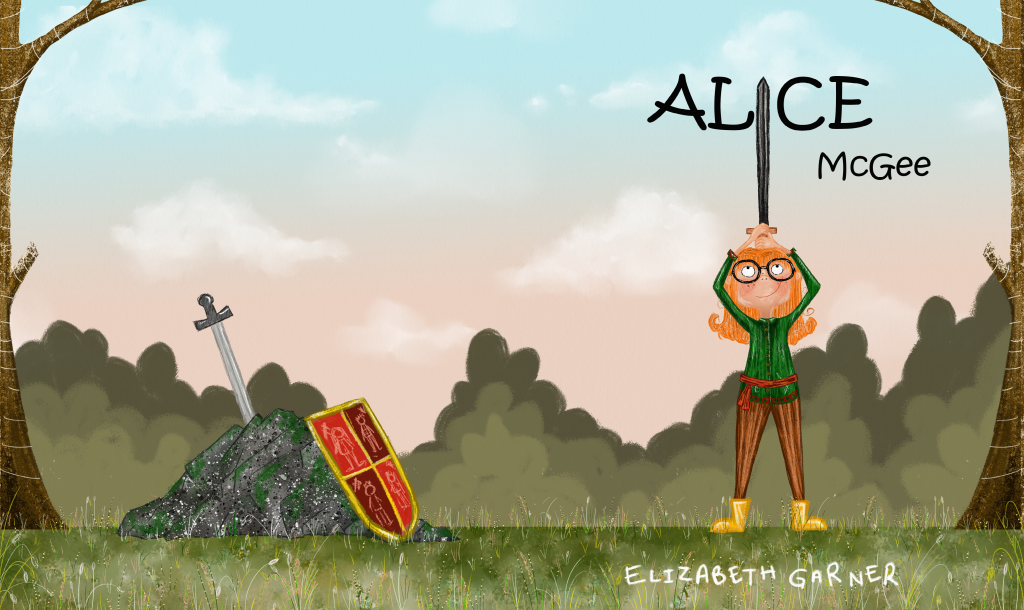
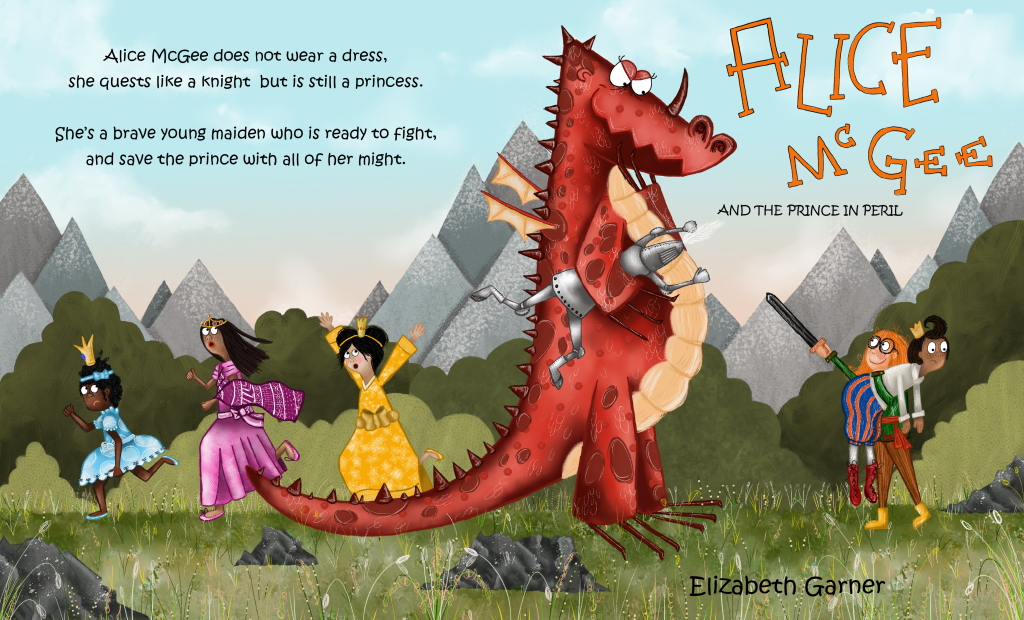
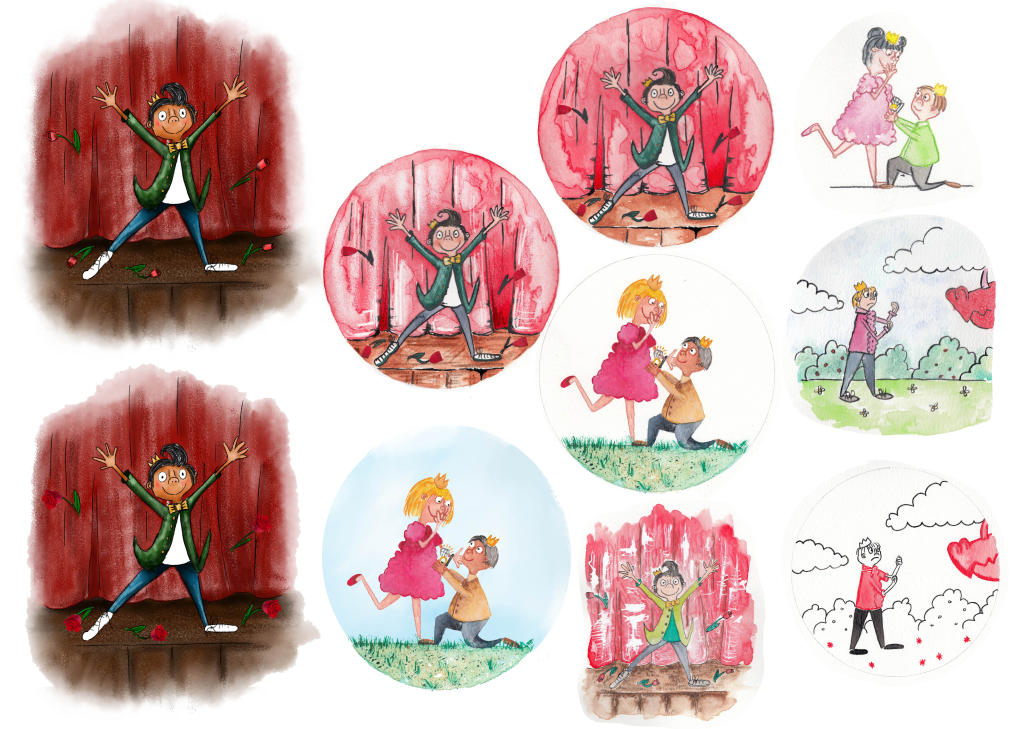
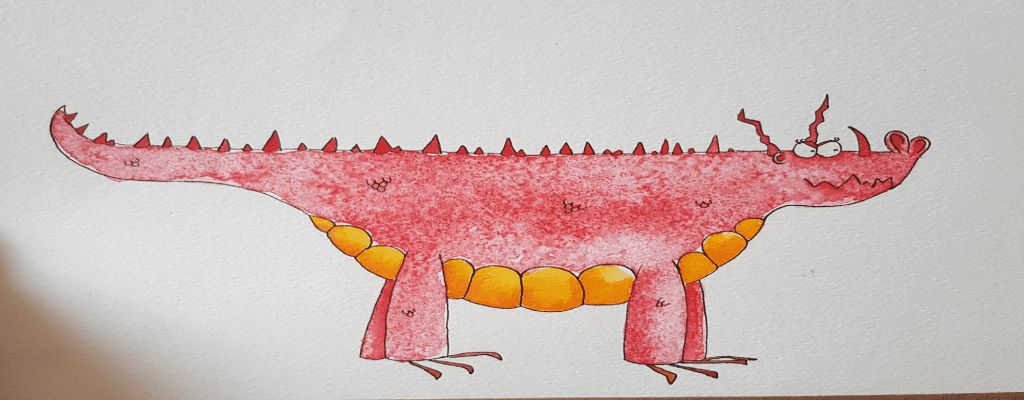
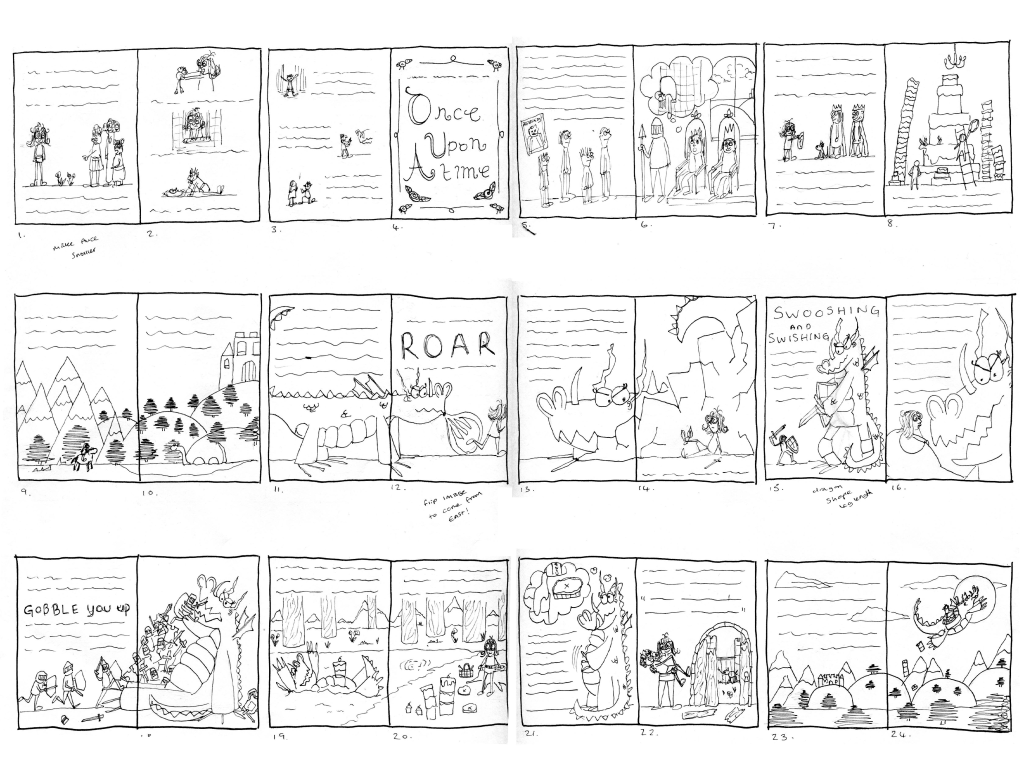
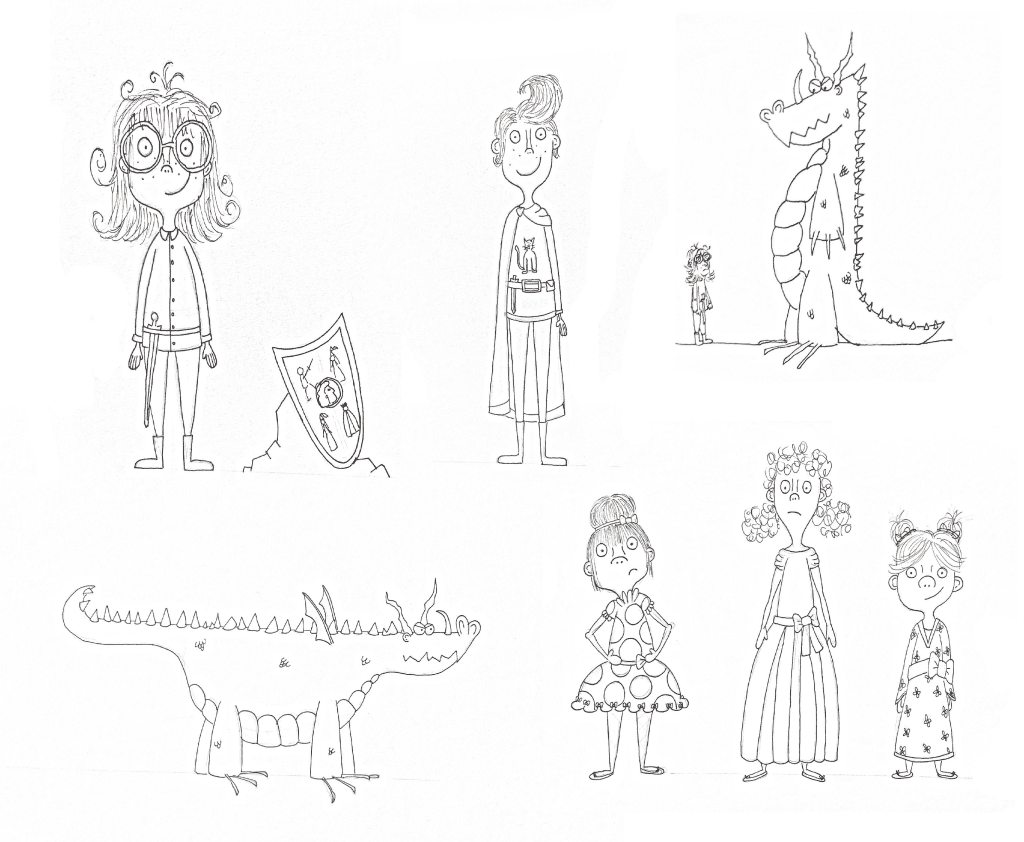
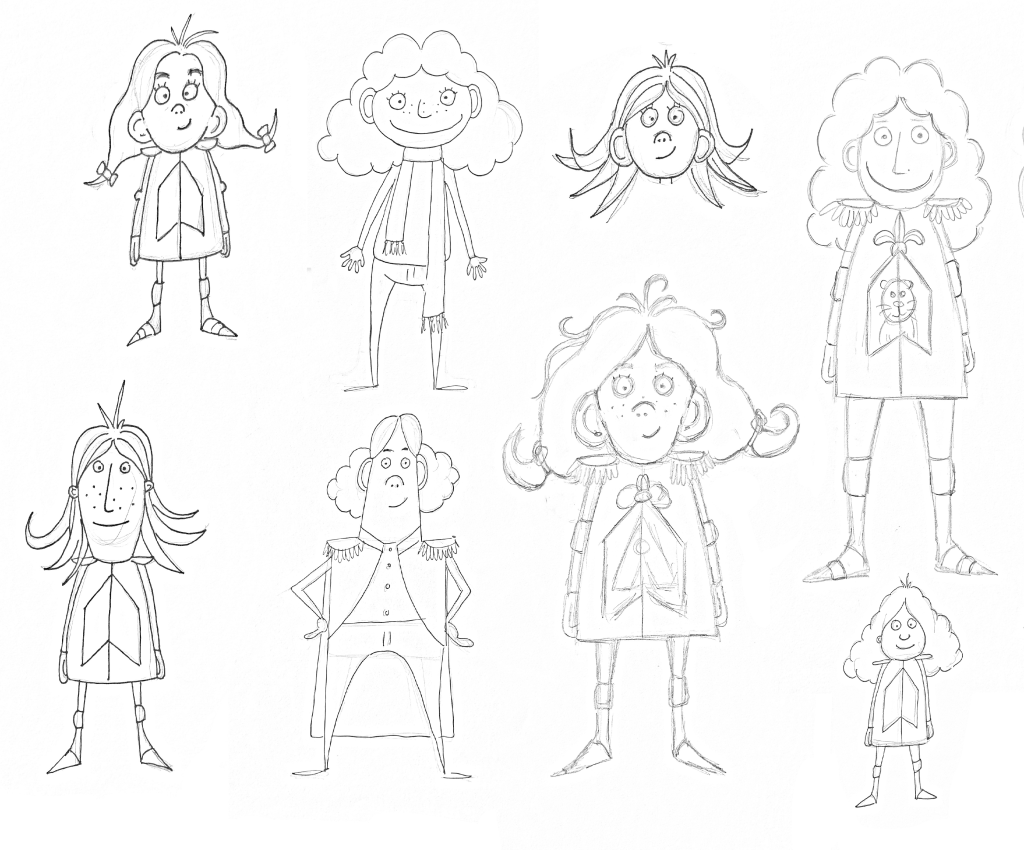
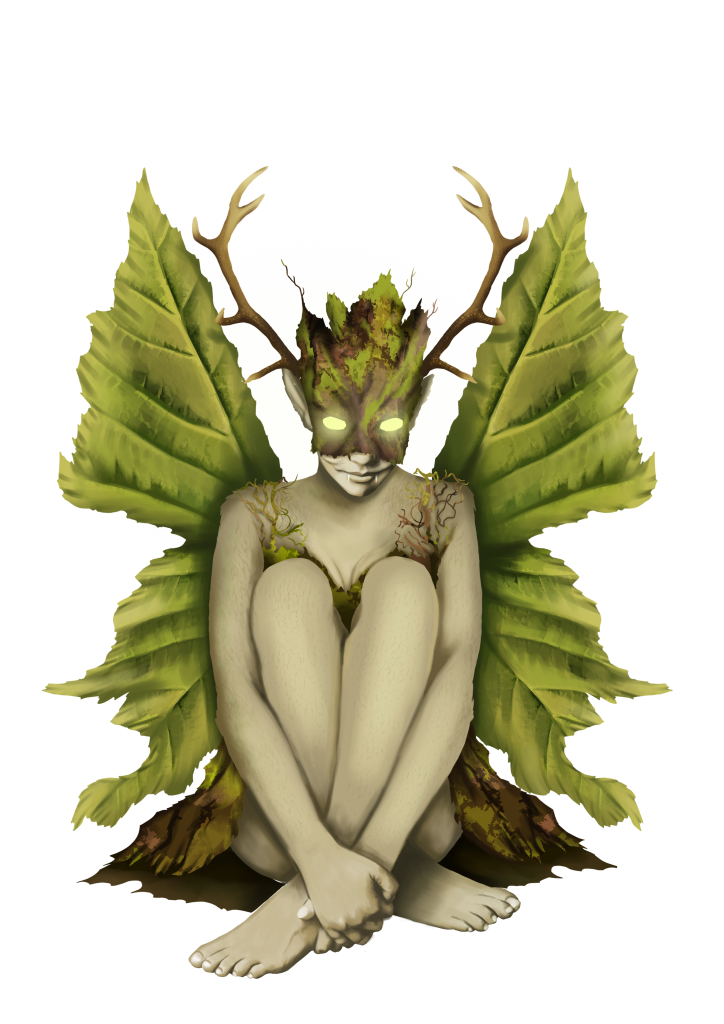



Course Fees
UK
£8190.00 Per Year
Additional Costs
Your Tuition fees cover most costs associated with your course (including registration, tuition, and assessment).
There may be some extra costs that you might need to make, or choose to pay, for example:
- Books (you’ll have access to books from your module reading lists in the library and in PDF format, but you may want to buy additional publications of specific interest.)
- Adobe Training manual: £20
- Printing and photocopying (annual cost): £20
- Annual trips and enhancement opportunities (non- compulsory): £150 – £400
- Traditional art materials: £150 – £300
- Specialist Mac or PC laptop: £300 – £600
- Digital Tablet and Pen: £160 – £228
- External hard drive: £30 – £50
Detailed equipment lists are provided to all students prior to the commencement of their studies.
*Specialist software (Adobe Creative Cloud, Autodesk, Maya and Blender) via the university’s own licences is available free to all of our students. You can access, download and use on your personal computers (Mac or PC), and receive online support from the university’s IT support team.
Financial Support for Learners:
Various additional funding opportunities may be available to students. These include short-term loans (bridging loans) for students awaiting student finance payments, with applications accepted throughout the year, and the Student Opportunity Fund, providing non-repayable financial assistance based on individual circumstances, open for application annually from October/November. Other options include the Low-Income Bursary and Care Leavers Bursary, both offering £500 and requiring specific eligibility criteria. Additionally, exemptions from council tax for full-time students and specific bursaries such as the Initial Teacher Education Bursary are provided. Moreover, there’s support available for disabled students, including the Disabled Student Allowance and Additional Learning Support for those with long-term mental, physical, or specific learning difficulties, with confidential assistance and adjustments offered in accordance with the Equality Act (2010). To access support or discuss needs, students are encouraged to contact the Additional Learning Support team.
Quick Reference Guide
Level
Level 6
Duration
3 Years
Study Mode
Full-Time, Distance
Awarding Body
University of Hull
UCAS Code
W6H2
Ready to Start Your Journey?
Applications are open. Apply online in minutes.
Questions? Call 0800 358 74 74